
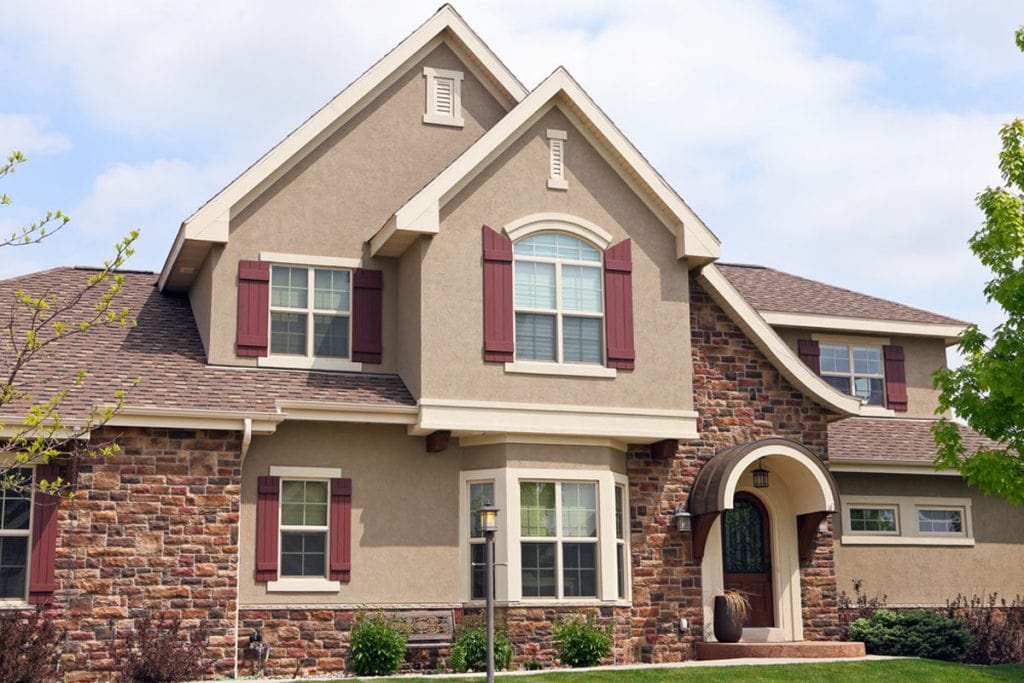
Winnipeg homes face a unique test: wide temperature swings, bright prairie sun, and long freeze–thaw cycles. The right exterior paint system—and the right prep—makes all the difference. This guide walks through how to approach stucco, siding (vinyl, aluminum, fiber cement, engineered wood, and wood), and brick, with Winnipeg-specific notes on products, sheen, colour planning, timelines, and maintenance. Use it to pick a strategy that looks sharp in July and still holds strong in February.
Quick Take: Which Surface Gets What?
- Stucco: Flexible, breathable coating or high-quality 100% acrylic paint; focus on hairline crack repair and efflorescence control.
- Vinyl/Aluminum Siding: Vinyl-safe colours and temperature-aware application; bonding primers for aluminum; moderate sheens for washability.
- Wood/Engineered Wood: Solid or semi-solid stains or exterior acrylics with primer; prioritize end-grain sealing and caulking.
- Fiber Cement (e.g., board-style siding): High-adhesion 100% acrylic exterior paints; careful cleaning and caulking at joints.
- Brick: Breathable mineral coatings or elastomeric masonry paints (with the right prep); consider stain or limewash when appropriate.
Why Winnipeg’s Climate Changes the Playbook
Exterior paint in the prairies must flex. Winter dries surfaces and reveals hairline cracks; spring introduces moisture and freeze–thaw stress; summer UV can chalk or fade lower-grade products. In practice, that means:
- Elasticity and adhesion are your friends on stucco and masonry.
- Breathability matters on masonry—trapping moisture can lead to peeling and spalling.
- Colour selection affects heat build and expansion on vinyl and metal.
- Application windows are tighter; watch night temps and dew points during shoulder seasons.
Stucco: Coat, Don’t Just Cover
What makes stucco tricky
Stucco is porous and slightly brittle. It expands and contracts with the seasons and can show hairline cracking, alkali burn from new or wet stucco, and efflorescence (white salts) after moisture movement. Painting stucco like drywall (clean + two quick coats) invites early failure. Winnipeg stucco rewards systems are built for movement and moisture transport.
Prep that sets up success
- Wash thoroughly to remove dust and chalking; low-pressure rinse to avoid water injection.
- Address cracks: Use elastomeric crack fillers or flexible patching compounds sized to the crack width.
- Efflorescence treatment: Dry the wall, brush away salts, and prime as needed to block recurrence.
- pH testing (for new stucco): New cementitious surfaces should cure adequately; if the pH is high, use an alkali-resistant primer.
Coating choices
- High-build elastomeric coatings: Great for bridging hairline cracks and shedding rain; choose breathable, high-quality formulations designed for freeze–thaw.
- 100% acrylic masonry paints: Excellent adhesion and better breathability than many elastomeric paints; often the safer choice on older stucco where moisture release is important.
Sheen & colour on stucco
- Sheen: Flat to low-sheen helps hide surface irregularities and patches.
- Colour: Light neutrals reflect heat and limit movement; saturated darks can show lap marks and hairline cracks more readily.
Winnipeg-specific note
If you see recurring hairline cracking near window corners or control joints, a flexible coating with proper joint caulking offers the most durable fix. Plan for enough dry time between coats—especially in spring and fall—so the film cures before overnight temperature drops.
Siding: Vinyl, Aluminum, Fiber Cement, and Wood
Vinyl siding: temperature and colour matter
Vinyl can warp if painted with colours that absorb far more heat than the original factory shade. Use vinyl-safe colour formulations and, where possible, keep to lower LRV (light reflectance value) ranges. Clean with a siding-safe wash, allow to dry, then use a vinyl-appropriate bonding primer only if the surface is chalky or glossy; otherwise, many modern 100% acrylic exterior paints adhere well after a proper clean.
- Sheen: Low-sheen to satin balances washability with defect hiding.
- Colour: Stick to vinyl-safe palettes; mid-tones are often the sweet spot for crisp results without heat build.
Aluminum siding: chalk control and priming
Aluminum often forms a powdery oxidation, or chalk. Wash thoroughly, test for residual chalk with a finger swipe, and prime with an acrylic or specialized bonding primer where oxidation persists. Then apply two finish coats of 100% acrylic exterior paint.
- Sheen: Satin protects against fingerprints and holds colour nicely.
- Colour: Mid- to lighter-toned colours resist heat; darker colours can look excellent but require careful substrate prep.
Fiber cement: joints and edges decide longevity
Fiber cement takes paint very well. Clean, spot-prime any exposed fiber cement or raw areas, and caulk butt joints with paintable, flexible sealant. Two coats of high-quality 100% acrylic exterior paint are standard.
- Sheen: Low-sheen or satin; satin resists dirt pick-up and cleans easily.
- Colour: Broad latitude—pick with roof/trim harmony in mind.
Wood and engineered wood: protect the end-grain
Wood breathes and moves more than other sidings. Winnipeg’s winters can pull moisture from the board face and then dump condensation into joints on warm-ups. Priority steps:
- Deep clean and degloss where needed.
- Prime bare wood with exterior wood primer; seal end-grain meticulously.
- Choose solid stain or exterior acrylic paint for best coverage; semi-solid stains can be used where grain show-through is desired.
- Maintain caulk lines at trim transitions and around penetrations.
- Sheen: Satin for durability; flat/low-sheen if the wood surface is uneven and you want to hide it.
- Colour: Slightly lighter tones minimize heat cycling; earth neutrals pair well with Winnipeg landscapes.
Brick: Paint vs Stain vs Limewash
First, should you paint the brick?
Painting brick is a style choice with a maintenance commitment. Paint seals the colour but may hinder breathability if the system is too tight. In Winnipeg, moisture management is key.
Options beyond paint:
- Masonry stain: Penetrates and tints while retaining more texture and breathability.
- Limewash: Mineral, matte, and vapor-permeable; beautiful on classic brick with a timeless look.
If you do paint the brick
- Prep: Remove loose mortar and dust, address efflorescence, and ensure the wall is dry.
- Primer: Use masonry primer where needed (especially on previously uncoated brick).
- Topcoats: Choose breathable masonry paints formulated for temperature swings; consider high-quality elastomerics if cracking is a concern and breathability is still acceptable for your wall assembly.
- Sheen: Flat to matte looks natural on brick; avoid glossy sheens that highlight uneven courses.
- Colour: Off-whites, soft greys, and warm taupes suit Winnipeg light and hide airborne dust better than stark white.
Colour Planning That Works With Prairie Light
Winnipeg’s bright, low-angle light in shoulder seasons can exaggerate contrasts and surface flaws. A few practical tips:
- Context first: Sample colours on two elevations—sunny and shaded—to see how they shift.
- Roof and masonry harmony: Match undertones to your roof (warm vs cool).
- Trim discipline: Limit trim colours to one primary and one accent; too many breaks up small façades.
- Front door freedom: If the main body is a quiet neutral, a confident door colour adds character without complicating maintenance.
Choosing Sheen by Surface
- Body (stucco, fiber cement, wood): Low-sheen or satin; low-sheen hides texture differences, satin adds scrubbability.
- Metal and vinyl siding: Satin helps with washability and uniformity.
- Trim and doors: Satin to semi-gloss for durability against hands, bags, and winter gear.
- Masonry (brick): Flat/matte for a natural look and to hide mortar variations.
Prep Checklist You’ll Actually Use
- Inspection pass: Log cracks, peeling, chalking, popped nails, open joints, and previous coatings.
- Wash: Siding-safe wash for chalk, dust, and organic growth; allow full dry time.
- Repairs and caulking: Flexible, paintable sealant at joints, windows, and penetrations.
- Masking and protection: Windows, landscaping, driveways, and brick courses you’re not coating.
- Priming:
- Stucco/masonry: Alkali-resistant or masonry primer as needed.
- Aluminum: Bonding primer on chalky or polished areas.
- Wood: Exterior wood primer on bare spots; seal end-grain.
- Right tools: Back-rolling over spray on stucco and masonry helps push coating into pores; soft-tip spray on siding for uniform film.
- Weather check: Confirm day and overnight temps, humidity, and dew point; avoid painting late if the film won’t set before cool-down.
Timing the Project in Winnipeg
- Spring and early fall offer the best temperature bands and dry windows.
- Summer works well with vigilant scheduling around heat and late-day dew.
- Late-fall projects can succeed on sunny stretches if daytime highs and overnight lows stay within product specs; build in extra cure time.
Pro tip: Start on the north and east elevations earlier in the day as they warm, then rotate to the south and west. This reduces lap marks and helps the crew keep a wet edge.
Maintenance Intervals by Surface
- Stucco (quality elastomeric or acrylic): 8–12 years before major refresh, with spot touch-ups earlier if needed.
- Vinyl/aluminum siding: 7–10 years depending on colour depth and exposure; wash annually.
- Wood/engineered wood: 5–8 years for opaque finishes; 3–5 years for semi-transparent stains; watch end-grain.
- Brick (painted): 8–12 years; limewash/stain timelines vary but often weather more gracefully with thinner touch-ups.
Annual rinse-downs extend the life of the fabric and keep colours crisp. Address failing caulk early to block water entry and freeze–thaw damage.
Cost Signals to Watch (High-Level Guide)
Every home is different, but a few cost drivers are consistent:
- Stucco: Higher for crack repair and high-build coatings; savings when hairline issues are minimal, and washing is simple.
- Vinyl/Aluminum: Moderate; careful priming on aluminum and vinyl-safe colour choices prevent callbacks.
- Fiber Cement: Moderate; efficient once cleaned and sealed at joints.
- Wood: Variable; prep intensity drives cost (scraping, priming bare areas, caulking).
- Brick: Variable to higher; breathable systems and thorough prep are worth the investment.
Scheduling multiple elevations or bundling trim/doors with the main body can improve per-square-foot efficiency.
Common Winnipeg Pitfalls (and how to avoid them)
- Ignoring efflorescence on stucco/brick: Treat it or risk early peeling.
- Painting vinyl with non-vinyl-safe darks: Potential warping.
- Skipping end-grain sealing on wood: Moisture intrusion leads to edge failure.
- High sheen on rough masonry: Highlights every ripple and patch.
- Racing the sunset in October: Dew wins; paint loses. Start earlier and stop earlier.
When to Call Exterior Painters in Winnipeg
If your project involves multiple surfaces (e.g., stucco front, vinyl sides, wooden gables), professional sequencing matters. A seasoned crew will:
- Stage surfaces in the right order (repairs → priming → body → trim → doors).
- Choose surface-specific systems so each elevation ages evenly.
- Back-roll porous substrates for better film build.
- Track weather windows and cure times so coatings harden properly before cold or dew.
FAQs
1) Is elastomeric the best choice for every stucco wall in Winnipeg?
Not always. Elastomeric shines on crack-prone stucco, but breathability can vary. Older stucco or walls with interior moisture concerns may be better served by high-quality acrylic masonry paint with strong vapor transmission. A site visit helps decide.
2) Can I paint my vinyl siding a darker colour?
Yes—if the colour is rated vinyl-safe. Darker, non-rated colours can overheat vinyl and cause warping. Ask for a vinyl-safe palette and confirm product data before you commit.
3) Should the brick be painted or stained?
If you want a uniform, solid colour, paint works—just choose a breathable masonry system. If you prefer a softer, more natural texture with easier future touch-ups, stain or limewash are great alternatives.
4) What sheen looks best on exteriors here?
For body surfaces, low-sheen or satin balances hiding and washability. Trim and doors benefit from a satin or semi-gloss finish. Masonry usually looks most natural in flat/matte.
5) How do I know it’s time to repaint?
Look for chalking, faded colour, open caulk joints, hairline cracking on stucco, or exposed wood fibers. If water doesn’t bead on recently painted areas or you see early peeling, plan a repaint before winter stress compounds the damage.

Tyler is a highly motivated and hardworking individual with an entrepreneurial mindset and a genuine passion for people. He is currently pursuing a Bachelor of Commerce (Honours) degree, majoring in Marketing and Small Business/Entrepreneurship.
As the owner of Lakeside Painters, a Winnipeg-based painting company serving Winnipeg and surrounding cottage country regions, Tyler has gained hands-on experience in business ownership, customer service, sales, and project management. Lakeside Painters specializes in high-quality residential and commercial painting services, including interior painting, exterior painting, wood staining, and stucco coating, with a strong focus on professionalism, attention to detail, and customer satisfaction.
With an energetic and optimistic attitude, Tyler thrives in team environments and is willing to take on challenges in fast-paced, high-pressure settings. He brings strong problem-solving abilities, excellent communication skills, and a natural ability to connect with and understand others—skills he has developed through previous sales roles and his experience building Lakeside Painters.