
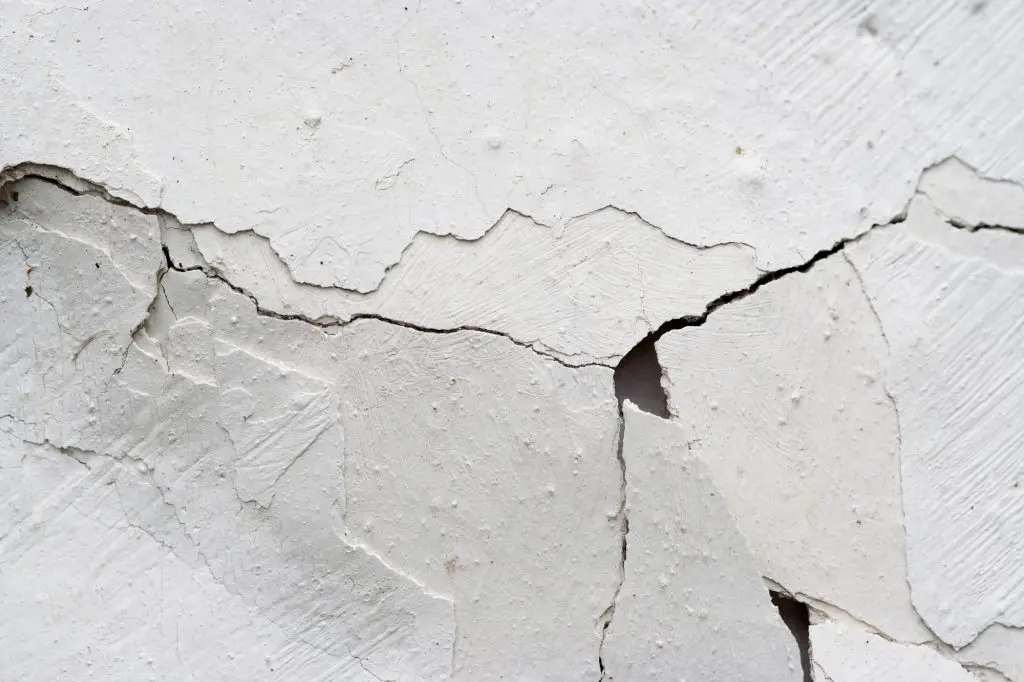
Cracks spreading across your stucco aren’t just an eyesore — left open through a Manitoba winter, they let water in to freeze, expand, and make the damage worse. This guide explains why stucco cracks in Winnipeg, which cracks are cosmetic versus serious, and how repairs and coatings fix and prevent them. Here’s what you’ll learn: the real causes, how to tell trouble from normal wear, and your repair options.
Stucco cracks in Winnipeg are most often caused by the freeze-thaw cycle, house settling, and normal material shrinkage, and they’re fixed by filling and sealing the cracks or applying a flexible coating over the surface. Most hairline cracks are cosmetic, but any crack that lets water in should be repaired before winter, because trapped moisture freezes, expands, and turns a small crack into a big one.
Why does stucco crack in Winnipeg’s climate?
Stucco cracks in Winnipeg mainly because of freeze-thaw movement and settling: water enters tiny openings, freezes, expands, and widens the crack, while the house itself shifts with the seasons. Stucco is rigid, so any movement in the wall behind it tends to show up as a crack.
Common causes include:
- Freeze-thaw cycling: the biggest factor here — water in a crack freezes and pries it wider.
- House settling: foundations and framing shift, cracking the rigid stucco.
- Shrinkage: stucco can develop fine cracks as it cures and ages.
- Impact or vibration: doors, traffic, and heavy equipment can start cracks at corners.
- Poor original application: an improper mix or missing control joints crack early.
Which stucco cracks are serious, and which aren’t?
Most hairline cracks are cosmetic, but wide, spreading, or stair-step cracks can signal structural movement and need professional assessment. The test is width and water: a crack you can barely see is usually surface-level, while a crack wide enough to admit water — or one that keeps growing — is a priority.
| Crack Type | Severity | Action |
|---|---|---|
| Hairline (barely visible) | Cosmetic | Seal to keep water out |
| Fine, stable cracks | Low | Fill and coat |
| Wide or gapping cracks | Moderate | Repair promptly before winter |
| Stair-step or diagonal cracks | Potentially structural | Have it assessed |
| Cracks with bulging/soft stucco | Serious | Professional repair needed |
How do you repair stucco cracks?
Repairing stucco cracks means cleaning out the crack, filling it with a compatible patching material, and sealing or coating the surface so water can’t get back in. For homes with widespread fine cracking, a flexible coating over the whole surface is often the better long-term fix.
- Clean the crack. Remove loose material and dust so the patch bonds.
- Fill it. Use a stucco-patching compound or elastomeric caulk suited to the crack width.
- Match the texture. Feather and texture the patch to blend with the surrounding finish.
- Seal or coat. Apply a masonry sealer or, for many cracks, a flexible coating across the wall.
- Prevent recurrence. Address drainage and keep the surface maintained so water stays out.
Should you patch cracks or coat the whole surface?
If you have a few isolated cracks, patching and sealing is the efficient fix. If your stucco is cracking in many places or you’re tired of repeat repairs, a flexible elastomeric coating over the entire surface bridges hairline cracks and waterproofs the wall — a better value over time in our freeze-thaw climate. A professional can tell you which approach fits; our stucco coating service in Winnipeg assesses the cracking pattern and moisture before recommending a repair or full coating.
Many homeowners weigh this against the broader question of whether to paint or coat their stucco, which comes down to the wall’s condition. For background on the material and why it cracks, the stucco overview on Wikipedia is a useful reference.
Stop stucco cracks before winter
Want your stucco sealed and protected before the freeze? Request a free estimate from Lakeside Painters. We proudly serve Winnipeg, MB and the surrounding Manitoba communities — including homeowners in Steinbach, Selkirk, Stonewall, and Niverville, plus the wider Interlake and cottage country. Call (204) 791-8352 or visit our contact page for a no-pressure quote on stucco repair and coating.
Frequently Asked Questions
Are hairline cracks in stucco a problem?
Most hairline cracks in stucco are cosmetic, but they should still be sealed so water can’t get in and freeze over winter. In Winnipeg’s freeze-thaw climate, an open hairline crack can widen into a bigger one over a season or two. Sealing them early is cheap insurance against larger repairs.
Why does my stucco keep cracking in the same spots?
Recurring cracks in the same place usually point to ongoing movement — house settling, framing shift, or a missing control joint — rather than just surface wear. Patching alone will reopen because it doesn’t address the movement. A flexible coating or a proper assessment of the cause gives a longer-lasting fix.
Can you repair stucco cracks yourself?
You can seal small, stable hairline cracks with a compatible patching compound or elastomeric caulk. Wider, spreading, or stair-step cracks — and any with bulging or soft stucco — should be assessed by a professional, as they can indicate a structural issue. Matching the texture is also tricky to do well by hand.
When is the best time to repair stucco in Winnipeg?
The best time to repair stucco is during the mild, dry stretch from late spring through early fall, when patches and coatings can cure before frost. Repairing before winter is important so water doesn’t get into cracks and freeze. Avoid stucco repairs in cold or wet conditions.
Will a coating stop my stucco from cracking again?
A flexible elastomeric coating bridges existing hairline cracks and resists new ones by moving with the wall and keeping water out. It won’t stop major structural movement, but for the fine freeze-thaw cracking common in Winnipeg, it’s an effective long-term solution. It also refreshes the look of the whole exterior.

Tyler is a highly motivated and hardworking individual with an entrepreneurial mindset and a genuine passion for people. He is currently pursuing a Bachelor of Commerce (Honours) degree, majoring in Marketing and Small Business/Entrepreneurship.
As the owner of Lakeside Painters, a Winnipeg-based painting company serving Winnipeg and surrounding cottage country regions, Tyler has gained hands-on experience in business ownership, customer service, sales, and project management. Lakeside Painters specializes in high-quality residential and commercial painting services, including interior painting, exterior painting, wood staining, and stucco coating, with a strong focus on professionalism, attention to detail, and customer satisfaction.
With an energetic and optimistic attitude, Tyler thrives in team environments and is willing to take on challenges in fast-paced, high-pressure settings. He brings strong problem-solving abilities, excellent communication skills, and a natural ability to connect with and understand others—skills he has developed through previous sales roles and his experience building Lakeside Painters.