
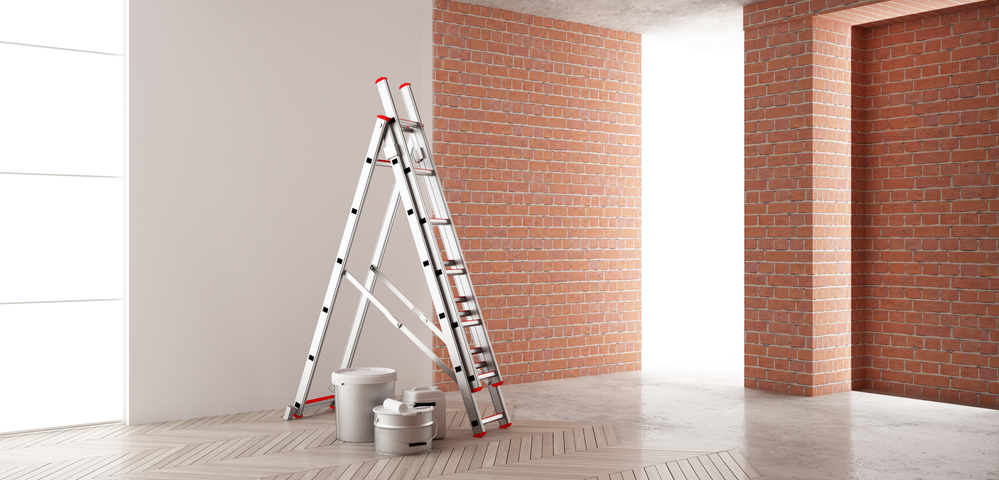
Painting your home can be gratifying, offering your living environment a fresh look and feel. However, it’s not just about choosing the right color palette or having the best brushwork. Ensuring safety in all aspects of the painting process is crucial. Whether you’re a seasoned DIY enthusiast or a first-time painter, understanding and implementing safety measures can significantly impact your project’s success and everyone’s well-being.
Choosing the Right Paint and Tools
Selecting the appropriate paint and tools is the first step in ensuring a safe painting experience. Not all paints are created equal, and some contain harmful chemicals that can pose health risks.
- Opt for Low-VOC or No-VOC Paints: Volatile Organic Compounds (VOCs) are often found in conventional paints and can release toxic fumes into your home. These fumes can cause respiratory issues and other health problems. Choosing low-VOC or non-VOC paints can significantly reduce these risks.
- Select Appropriate Tools: Using the right tools ensures a quality finish and reduces the risk of accidents. Invest in sturdy ladders, ergonomic paintbrushes, and rollers to minimize strain and prevent falls.
- Read Labels Carefully: Always check the paint can for safety warnings and application instructions. Understanding the product’s characteristics can help you anticipate and mitigate potential hazards.
Preparing Your Space Safely
Preparation is key to a successful painting project, starting with creating a safe workspace.
- Clear the Area: Remove furniture, decorations, and other items from the painting area to eliminate tripping hazards and prevent paint splatters on your belongings.
- Protect Floors and Fixtures: Use drop cloths to cover the floor and any fixtures that cannot be moved. This will protect your home’s interior and prevent slipping on wet surfaces.
- Ensure Adequate Ventilation: Proper ventilation is crucial to dispersing fumes and maintaining air quality while painting. Open windows and use fans to circulate air. If the room has poor ventilation, consider using a respirator.
- Check for Lead Paint: If your home was built before 1978, it may contain lead-based paint. Test for lead before sanding or scraping to prevent exposure to toxic dust.
Protecting Yourself and Others
Your health and safety, along with that of any helpers, should take precedence during any DIY project.
- Wear Appropriate Gear: Wear protective clothing such as gloves, goggles, and masks to protect against paint splashes and fumes. Long sleeves and pants can also protect your skin from exposure.
- Limit Exposure: Take regular breaks to go outside for fresh air, especially when working in a poorly ventilated area. This helps reduce the risk of inhaling harmful fumes.
- Keep Children and Pets Away: Keep children and pets out of the painting area to prevent accidental exposure to paint and chemicals.
- Stay Hydrated and Take Breaks: Painting can be physically demanding, so it’s essential to stay hydrated and take breaks to prevent fatigue-related accidents.
Handling Paint and Chemicals with Care
Paints and solvents can be hazardous if not handled properly. It is essential to understand how to work with these materials safely.
- Store Materials Properly: Paint, thinners, and cleaning supplies should be kept in a cool, dry place out of the reach of children and pets. Containers should be sealed tightly to prevent spills and leaks.
- Follow Disposal Guidelines: Dispose of paint and chemicals according to local regulations. Many communities offer hazardous waste disposal events for safe removal.
- Be Cautious with Open Flames: Paint and solvents can be flammable, so keep them away from open flames. This includes avoiding smoking in the painting area.
- Use Caution with Ladders: When working on elevated surfaces, ensure that ladders are stable and positioned on a level surface. Always maintain three points of contact on the ladder to prevent falls.
Cleaning Up Safely
Once the painting is complete, proper cleanup is necessary to maintain a safe environment.
- Clean Tools Thoroughly: Follow the manufacturer’s instructions for cleaning paintbrushes and rollers. Proper cleaning extends the life of your tools and removes residual chemicals.
- Remove Protective Coverings Carefully: When removing drop cloths and tape, do so slowly to prevent stirring up any dust or leftover paint particles.
- Check for Leftover Hazards: Inspect the area for any remaining hazards, such as stray nails or tools, and remove them promptly.
- Ventilate Post-Project: To ensure all fumes have dissipated, continue ventilating the room for several days after painting.
Painting your home can transform your space and provide a sense of accomplishment, but it’s important to prioritize safety throughout the process. From selecting suitable materials to ensuring proper ventilation and handling chemicals responsibly, each step plays a vital role in maintaining a safe environment for you and your family. Adhering to these safety considerations protects your health and ensures that your painting project is successful and enjoyable. Always remember that a safe painting project is a successful one. Keep safety at the forefront of your home improvement endeavors, and enjoy your hard work’s fresh, vibrant results.
FAQ
Why is ventilation more than just “opening a window” when painting indoors?
Proper ventilation is crucial because paint fumes—especially from oil-based or solvent paints—can contain volatile organic compounds (VOCs) that linger in the air, potentially causing headaches, dizziness, or even long-term health effects if inhaled over time. Simply opening a window may not be enough; using exhaust fans, keeping doors open, and running fans for several days after painting helps ensure harmful chemicals are fully dispersed.
How can I protect my family from hidden dangers like lead paint during a home painting project?
If your home was built before 1978, there’s a real risk that old layers of paint may contain lead, which is highly toxic, especially to children and pregnant women. Before sanding or scraping, always test for lead using a kit or hire a certified professional. If lead is present, avoid dry sanding or heat stripping, and consider hiring experts for safe removal.
What are some overlooked personal safety measures that can make a big difference?
Beyond gloves and goggles, consider wearing long-sleeved clothing, a hat, and a high-quality respirator mask—especially when working with oil-based paints or in poorly ventilated spaces. Always wash painting clothes separately, and never eat, drink, or smoke in the work area to avoid accidental ingestion of paint particles.
How can I make sure my painting project doesn’t become a fire hazard?
Paints, thinners, and solvents are often flammable, and their fumes can ignite if exposed to open flames or sparks. Never paint near pilot lights, candles, or electrical outlets, and always store paint and rags in cool, dry places away from heat sources. Used rags soaked in paint thinner should be stored outside until properly disposed of, as they can spontaneously combust.
What’s the safest way to use ladders and scaffolding while painting at heights?
Falls are a leading cause of injury during home painting projects. Always inspect your ladder for stability, set it on a flat surface, and maintain three points of contact when climbing. Never overreach—move the ladder instead. If using scaffolding, ensure all guardrails are in place and follow the manufacturer’s instructions for setup and use.