
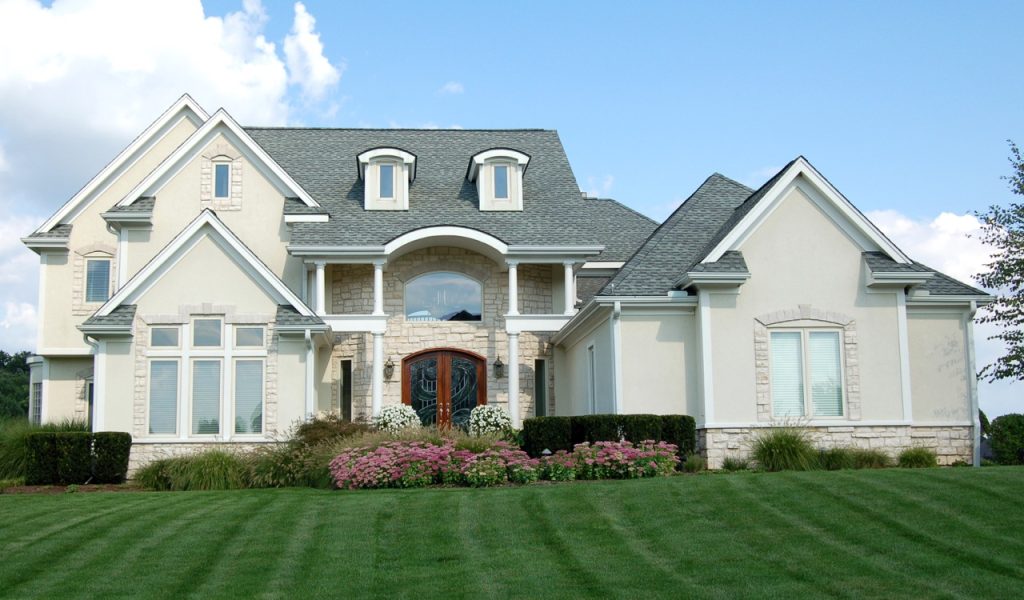
When planning an exterior makeover, one of the most crucial decisions homeowners face is choosing between stucco and brick. Both materials have stood the test of time, each boasting its own set of advantages and challenges. In this guide, we will dive into the key aspects of stucco and brick finishes—from aesthetics and durability to climate suitability and costs—to help you decide which exterior finish best suits your home.
Your home’s exterior is not only its first impression but also a critical line of defense against the elements. Whether you are building a new home or updating an older one, selecting the right finish can have a lasting impact on your property’s curb appeal, structural integrity, and overall value. Stucco and brick are two popular choices used for centuries, each offering unique benefits.
Stucco, known for its versatility and smooth texture, can provide a modern look with a seamless finish. Brick, on the other hand, offers timeless charm, proven durability, and a classic aesthetic that many homeowners find irresistible. With so many factors to consider, how do you decide which is the right option for your home? In this blog post, we will break down the differences, weigh the pros and cons, and provide insights on which material might be the ideal choice based on your individual needs and regional climate.
Understanding the Basics: What Are Stucco and Brick?
Before delving into comparisons, it’s important to understand what stucco and brick are, along with the roles they play in construction.
What Is Stucco?
Stucco is a cement-based siding material that is applied wet and hardens to a very dense solid. It is composed of cement, sand, lime, and water and is often reinforced with a wire mesh to increase its durability. Stucco is prized for its flexibility, as it can be molded into various textures and finishes, allowing for a highly customizable appearance. Additionally, stucco is known for its energy efficiency and soundproofing qualities, making it an appealing option for many modern homeowners.
What Is Brick?
Brick is one of the oldest building materials, made from clay or shale, which has been shaped and fired at high temperatures. This process creates a strong, durable material that is not only resistant to fire and weathering but also exudes a classic, timeless charm. Brick has been used for centuries in various architectural styles, from rustic country homes to sophisticated urban residences. Its natural texture and color variations add depth and character to any structure.
Aesthetics and Curb Appeal: How Each Finish Impacts Your Home’s Look
The visual impact of your home is one of the most important factors to consider, and both stucco and brick offer distinct aesthetic advantages.
Stucco Aesthetics
Stucco is extremely versatile when it comes to design. Its smooth finish can be applied in multiple textures—from fine and sleek to rough and rustic. Homeowners can choose from a wide range of colors, ensuring that the exterior of the home fits perfectly with their personal style and the surrounding environment. Modern stucco applications often result in a minimalist, contemporary look that appeals to homeowners looking for clean lines and a fresh, updated appearance.
Stucco’s adaptability extends to architectural details as well. It can be easily integrated with decorative elements, moldings, and even modern art installations, making it a favorite for those looking to experiment with innovative design concepts. Its seamless application can also make the home appear larger and more cohesive, enhancing overall curb appeal.
Brick Aesthetics
Brick, with its rich history and natural variations, offers a sense of permanence and traditional beauty. The warm, earthy tones and the intricate patterns that can be achieved with brickwork often evoke a sense of comfort and reliability. Brick facades can range from rustic charm to elegant sophistication, depending on the type and layout of the bricks used.
One of the most notable advantages of brick is its timeless appeal. Unlike many modern materials that may go out of style, brick has remained popular for generations. The natural texture of brick also adds depth and interest to the building’s exterior, which can be especially striking when contrasted with more modern architectural elements. Bricks are a favored choice for those who appreciate classic design and the historical significance that bricks can bring to a home.
Durability and Maintenance: Longevity and Upkeep Considerations
When investing in an exterior finish, durability and maintenance are key factors that will affect the long-term cost and effort required to keep your home looking its best.
Durability of Stucco
Stucco is known for its strength and resilience. When applied correctly, stucco can withstand extreme weather conditions, including high winds and heavy rain. However, the durability of stucco largely depends on proper installation. Cracks can develop over time, particularly in regions that experience significant temperature fluctuations or seismic activity. Regular inspections and maintenance are necessary to address minor issues before they escalate into more serious problems.
Stucco is also vulnerable to moisture infiltration if not properly sealed, which can lead to mold or structural damage. Homeowners need to ensure that the stucco is correctly applied and maintained to avoid these issues. Despite these challenges, many modern stucco systems incorporate water-resistant additives and improved installation techniques, significantly enhancing their longevity and performance.
Durability of Brick
Brick is widely recognized for its longevity and minimal maintenance requirements. Due to its fired construction process, brick is highly resistant to weathering, fire, and insect damage. It does not rot or decay, and even centuries-old brick buildings can still stand strong. This inherent durability means that brick facades can often outlast other materials with little more than occasional cleaning.
Maintenance for brick typically involves periodic inspections for any mortar deterioration and repointing when necessary. The robust nature of brick means that it rarely requires extensive repairs, making it a cost-effective choice over the long term.
Climate Considerations: Choosing the Right Material for Your Environment
The climate in which you live plays a crucial role in determining which material is best suited for your home’s exterior.
Stucco in Various Climates
Stucco performs exceptionally well in dry, warm climates. Its ability to regulate temperature by providing natural insulation makes it an attractive choice in regions that experience significant heat. However, in areas with high humidity or frequent rainfall, stucco may face challenges. Moisture can seep into small cracks, leading to potential mold growth or damage over time. To mitigate these issues, it is essential to incorporate proper drainage systems and moisture-resistant coatings during installation.
In regions prone to seismic activity, stucco can be prone to cracking if the underlying structure shifts. Modern building codes often require specific installation techniques or the addition of reinforcement to ensure that stucco facades remain intact during earthquakes. Homeowners in these areas must weigh the benefits of stucco’s aesthetic appeal against the potential need for more frequent maintenance or repairs.
Brick in Various Climates
Brick’s natural resilience makes it an excellent option for a wide range of climates. Its dense construction helps it withstand freezing temperatures and thaw cycles, which can be particularly damaging to less robust materials. In hot climates, brick’s thermal mass can help regulate indoor temperatures by absorbing and slowly releasing heat, contributing to energy efficiency.
Brick also performs well in coastal regions where salty air can accelerate corrosion in other building materials. However, the porous nature of some bricks may require additional treatments or sealing in environments with high moisture or pollution levels. Overall, brick is a reliable choice for homeowners looking for a low-maintenance, long-lasting finish, regardless of the climate.
Cost Analysis and Installation Considerations
Understanding the financial implications and installation challenges of each material is critical to making an informed decision.
Cost Considerations for Stucco
Stucco is generally less expensive in terms of raw material costs compared to brick. Its installation, however, can be labor-intensive, especially when aiming for a high-quality finish. The overall cost of stucco installation will vary depending on the complexity of the job, the type of finish desired, and regional labor rates.
While the initial investment for stucco may be lower than that for brick, homeowners must consider the potential long-term maintenance costs. Cracking, moisture damage, or the need for repainting can add to the overall expenses over time. Investing in high-quality materials and professional installation can mitigate these issues, but it is important to factor these potential costs into your budget.
Cost Considerations for Brick
Brick typically commands a higher upfront cost due to the expense of materials and the skilled labor required for installation. However, the long-term durability of brick can make it a more cost-effective option over time. Once installed, brick requires minimal maintenance, which can result in lower ongoing costs compared to stucco.
Additionally, brick can add significant value to your home. Its timeless appeal and proven longevity are attractive to potential buyers, meaning that the higher initial investment can pay off in terms of increased property value and curb appeal. Homeowners should consider their budget, long-term maintenance commitments, and the potential return on investment when choosing between brick and stucco.
Customization and Versatility: Tailoring Your Home’s Exterior
Another factor to consider is the degree of customization each material allows and how well they integrate with your overall design vision.
Customizing with Stucco
Stucco is highly versatile and can be applied in a variety of textures and finishes. This flexibility means that you can easily adapt stucco to suit different architectural styles—from modern minimalist designs to more eclectic, ornate facades. Homeowners who desire a unique look or want to incorporate specific artistic elements into their exterior design may find stucco to be the more accommodating option.
Moreover, stucco can be tinted to virtually any color, offering endless possibilities for customization. Whether you want a bold, vibrant facade or a more subtle, earthy tone, stucco can be manipulated to achieve the desired effect. Its ability to seamlessly integrate with other materials, such as stone or metal accents, further enhances its versatility in modern home design.
Customizing with Brick
While brick may seem more traditional, it offers its own range of customization options. The color, texture, and pattern of bricks can be carefully selected to complement your home’s architectural style. From reclaimed red bricks that evoke a sense of history to sleek, modern bricks with a more uniform appearance, the options are plentiful.
Brickwork can also be arranged in various bond patterns (such as a running bond, herringbone, or stack bond) to create visually engaging designs. This ability to customize the layout and pattern allows brick to adapt to both classic and contemporary design schemes. For homeowners who value a timeless, established look with subtle variations in color and texture, brick remains a top contender.
Deciding between stucco and brick for your home’s exterior is a decision that should be made after careful consideration of a variety of factors. Stucco offers a modern, versatile finish with the ability to be customized to match any aesthetic vision, making it particularly appealing in warmer, drier climates. However, it does require regular maintenance and proper installation techniques to ensure durability, especially in regions with high moisture or seismic activity.
Brick, with its timeless charm and unparalleled durability, provides a low-maintenance option that can stand the test of time. Its resilience in diverse climates and its classic aesthetic make it a favorite among homeowners seeking a long-term investment in quality and beauty. While the upfront cost may be higher, the longevity and minimal upkeep requirements of brick can offer significant long-term savings and added property value.
Ultimately, the choice between stucco and brick will depend on your specific needs, budget, and design preferences. Consider the climate in your region, the maintenance requirements you’re willing to commit to, and the overall aesthetic you want to achieve for your home. Whether you choose the modern versatility of stucco or the enduring charm of brick, making an informed decision will ensure that your home not only looks beautiful but also remains resilient against the elements for years to come.
By weighing these factors and consulting with experienced professionals, you can confidently decide on the best exterior finish that aligns with your lifestyle and enhances the beauty and value of your home.
Both stucco and brick offer compelling benefits, and there is no one-size-fits-all answer. Whether you lean towards the sleek, modern appeal of stucco or the robust, classic elegance of brick, your home deserves an exterior finish that stands up to the elements and reflects your personal style. Make your choice wisely, and enjoy the enduring beauty of a well-crafted exterior finish for your home. At Lakeside Painters, we’re here to help you make an informed decision and achieve the perfect exterior for your home. Contact us today for expert guidance and exceptional service.