
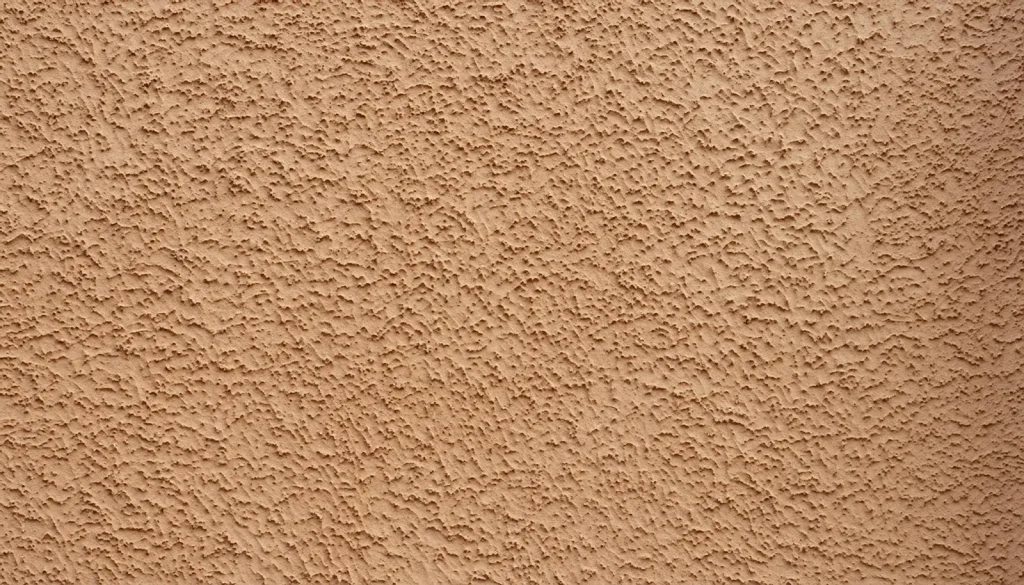
If left unchecked, cracks in your stucco coating can affect your home’s aesthetic appeal and lead to more significant structural issues. Addressing these cracks promptly can save you time and money down the road. In this guide, you will learn how to identify the causes of stucco cracks and effectively repair them before they escalate. By following these straightforward steps, you will ensure your stucco’s longevity and maintain your property’s value.
Key Takeaways:
- Identify the cause of the cracks, such as moisture or settling, to prevent future damage.
- Use a high-quality stucco repair product to fill and seal existing cracks effectively.
- Ensure proper surface preparation and apply a water-resistant sealant to prolong the life of the repair.
Understanding Stucco Coating Cracks
Understanding the nature of stucco coating cracks is important to effectively address them. Cracks can compromise your home’s integrity and aesthetic appeal, and recognizing the various types of cracks is necessary for proper repair. From hairline fissures to larger gaps, assessing the size and pattern of those cracks can help determine the best repair methods. By being proactive and informed, you can help ensure your stucco remains sturdy and visually appealing.
Common Causes of Cracks
To identify the source of stucco cracking, you’ll want to consider several contributing factors. Changes in weather, inadequate foundation settlement, and improper installation techniques can all lead to cracks. Additionally, shifting soil or excessive moisture can exacerbate existing structural issues. By pinpointing these causes, you can effectively address the underlying problems.
Factors Influencing Crack Severity
Various aspects can determine how severe your stucco cracks become over time. Factors include climate conditions, the age of the stucco, and the quality of the original materials used. Other considerations involve the amount of sun exposure and the type of substrate beneath the stucco. Each of these elements can either mitigate or worsen the extent of the cracks. This understanding will help you take targeted action toward prevention and repair.
Cracks can develop under different conditions, which is why it’s important to monitor your stucco regularly. Key factors affecting crack severity include:
- Temperature fluctuations
- Moisture levels
- Foundation movement
- Time since installation
This knowledge allows you to take preventative measures to enhance the longevity of your stucco façade.
How to Identify Cracks in Stucco
Some stucco cracks may seem harmless, but early identification is key to preventing further damage. Regularly inspect your stucco surfaces for signs of cracking, whether small hairlines or larger fissures. Pay attention to areas around windows, doors, and joints, as they are often more susceptible to cracking. A timely examination of your stucco can save you from costly repairs down the line.
Visual Inspection Techniques
Visual inspection techniques should include both close and distant observations. Stand several feet away from the wall to assess its overall condition, and then move in closer to inspect for any fine cracks or surface irregularities. Use natural light to your advantage—sunlight can cast shadows that illuminate cracks often missed in the shade. Document any findings with photographs to track changes over time.
Tools Needed for Assessment
Assessment of stucco cracks can be made easier with a few crucial tools. A tape measure allows you to gauge the size of the cracks accurately, while a stiff brush helps remove dust and debris for clearer visibility. A notepad for documenting the location and size of cracks ensures you keep an organized record of your assessments, which can be valuable for future repairs.
To evaluate the cracks in your stucco effectively, utilize tools like measuring tape to determine the width and length of each crack. A stiff brush is important for clearing away dirt, allowing for better visibility of the cracks. Maintaining a notepad to document any observations will help you track changes over time and prepare for necessary repairs. Having the right tools on hand will empower you to address any issues promptly and effectively.
Preparing for Repairs
All successful repairs begin with proper preparation. Before tackling any stucco coating cracks, assess the damage thoroughly to determine the extent of the repairs needed. Gather your tools and materials, and consider environmental factors such as weather conditions that might affect your repair work. This careful approach will ensure a smoother process and ultimately lead to a long-lasting repair.
Gathering Necessary Materials
You need to gather a few vital materials for your stucco repair project. This includes a repair compound specifically designed for stucco, a putty knife, a wire brush, water, and a spray bottle. Having everything on hand before starting will save you time and help you stay focused.
Safety Precautions to Consider
Safety should be your top priority any time you undertake home repairs. To shield yourself from debris and harmful dust particles, wear protective gear such as gloves, goggles, and a dust mask. Additionally, ensure the area is well-ventilated, especially if using chemical compounds, to reduce inhalation risks. Taking these precautions will safeguard your health while efficiently repairing your stucco coating.
With a responsible approach, your safety during repairs is guaranteed. Wear gloves to protect your hands from rough surfaces and chemicals, and use goggles to protect your eyes from dust and debris. Don’t forget to use a dust mask to avoid inhaling harmful particles, especially if you’re sanding or working with chemicals. Adequate ventilation is also necessary; working in an enclosed space can be dangerous, so open windows or use fans to allow airflow. Prioritizing your safety will make your repair process more efficient and enjoyable.
Step-by-Step Repair Process
Now, let’s go through the step-by-step process for repairing stucco coating cracks to ensure lasting results. Follow the guide below to address the issue effectively:
| Step | Description |
|---|---|
| 1. Cleaning the Cracked Area | Remove loose debris and dirt to prepare the surface. |
| 2. Filling and Smoothing Cracks | Apply a suitable stucco patch to the cracks. |
| 3. Applying Finish Coat | Seal the repair for a uniform appearance. |
Cleaning the Cracked Area
You need to start by cleaning the cracked area thoroughly. Use a wire brush or a pressure washer to remove dirt, debris, and loose stucco. This ensures proper adhesion of the repair materials and promotes a longer-lasting repair.
Filling and Smoothing Cracks
Cracked areas should then be filled with a high-quality stucco patch. Press the patch firmly into the cracks using a putty knife, ensuring it is evenly distributed and slightly overfilling the crack to allow for smoothing.
This step is vital to prevent water infiltration that can lead to more significant damage. Once the repair has been done, use the putty knife to smooth out the surface, blending it into the surrounding stucco. Allow it to cure for the time recommended by the manufacturer for optimal strength.
Applying Finish Coat
After filling and drying the cracks, the next step is to apply a finish coat. Choose a texture that matches your existing stucco to maintain your home’s aesthetic appeal.
Use a trowel or a sprayer to coat the repaired area with the finished mix, ensuring an even application. This final step provides a protective layer against moisture and enhances the durability of your repair, keeping your stucco looking fresh and intact for years to come.
Tips for Preventing Future Cracks
Not only can you repair existing damage, but you can also take steps to prevent future cracks in your stucco coating. Consider the following tips:
- Routine inspection for early signs of wear and tear
- Proper sealing around windows and doors
- Maintaining adequate drainage systems around your home
- Regular cleaning of your stucco surface
Knowing these preventive measures can save you time and money down the line.
Maintenance Practices
The best way to ensure the longevity of your stucco coating is through regular maintenance. This includes cleaning the surface annually to remove dirt and debris, sealing any gaps or cracks as soon as you spot them, and applying a fresh coat of paint or sealant to protect against moisture infiltration. Keeping up with these practices will enhance the appearance of your exterior and fortify your stucco against environmental damage.
Environmental Considerations
Assuming you want to extend the life of your stucco surface, consider the environmental factors that can contribute to cracking.
Another important aspect is how weather extremes can affect your stucco coating. High humidity and heavy rains can lead to water intrusion, while freezing temperatures can cause the stucco to expand and contract, leading to cracks. Additionally, UV radiation can degrade the bond of the materials over time, making them more vulnerable. By making informed decisions about insulation and protective coatings, you can minimize the impact of these environmental factors and maintain the integrity of your stucco for years to come.
When to Seek Professional Help
Keep an eye on your stucco coating; if you notice extensive cracking, consistent moisture issues, or paint peeling, it’s time to seek professional help. These signs could indicate underlying problems beyond simple repairs and may require a specialist’s expertise to ensure your home remains safe and structurally sound.
Signs of Major Damage
To identify significant damage, look for large cracks, bulging walls, or signs of mold and mildew. If you see any of these issues, it’s likely that the integrity of your stucco has been compromised, necessitating immediate attention from a professional to prevent further deterioration.”
Finding Qualified Contractors
With numerous contractors available, choosing one with a proven track record in stucco repairs is important. Research local options, check online reviews, and seek recommendations from friends or family for reputable professionals.
Plus, ensure that the stucco coating contractors you consider are licensed, insured, and possess the necessary skills for stucco repair. Ask for references and view their previous work to evaluate quality. Avoid those who offer unusually low estimates, as this may indicate lower quality or hidden issues. By investing time in finding a qualified contractor, you can secure the best results for your home and prevent more serious damage down the line.
Final Words
Ultimately, taking proactive measures to repair stucco coating cracks will help extend the life of your exterior and prevent more significant issues in the future. By identifying cracks early, cleaning the affected areas, and using appropriate materials for patching and sealing, you can maintain your home’s aesthetic appeal and structural integrity. Your vigilance in monitoring stucco conditions and promptly addressing any damage will ensure your property remains protected and attractive for years to come.
FAQ
Q: What are the common causes of cracks in stucco coatings?
A: Cracks in stucco coatings can result from several factors, including foundation settling, temperature fluctuations, moisture intrusion, and the use of low-quality materials during application. Poor installation techniques, such as inadequate curing time or insufficient bonding with the underlying surface, can also contribute to cracking. External elements like heavy rains, high winds, and seismic activity can also exacerbate these issues over time.
Q: How can I identify the type of crack in my stucco coating?
A: It is important to inspect the cracks for their size and pattern. Hairline cracks, usually less than 1/8 inch wide, may be due to surface shrinkage and can often be repaired easily. Wider cracks, over 1/8 inch, could indicate significant issues requiring more attention. Vertical or diagonal cracks might suggest foundation problems, while horizontal cracks could be related to moisture issues. Observing the surrounding area and monitoring changes in the crack over time can help you determine the type and potential severity of the problem.
Q: How should I repair stucco cracks before they worsen?
A: To effectively repair stucco cracks, first, clean the area around the crack to remove any debris, dust, or loose stucco. For small cracks, use a flexible stucco patch or caulk specifically designed for exterior use, applying it with a putty knife and smoothing it out. For larger cracks, you may need to apply a bonding agent, fill the crack with a stucco mix, and finish it to blend with the surrounding area. After repairs are made, consider applying a sealant to protect against moisture intrusion and further damage. Regular maintenance and inspections can help catch issues early on, preventing more significant repairs in the future.

Tyler is a highly motivated and hardworking individual with an entrepreneurial mindset and a genuine passion for people. He is currently pursuing a Bachelor of Commerce (Honours) degree, majoring in Marketing and Small Business/Entrepreneurship.
As the owner of Lakeside Painters, a Winnipeg-based painting company serving Winnipeg and surrounding cottage country regions, Tyler has gained hands-on experience in business ownership, customer service, sales, and project management. Lakeside Painters specializes in high-quality residential and commercial painting services, including interior painting, exterior painting, wood staining, and stucco coating, with a strong focus on professionalism, attention to detail, and customer satisfaction.
With an energetic and optimistic attitude, Tyler thrives in team environments and is willing to take on challenges in fast-paced, high-pressure settings. He brings strong problem-solving abilities, excellent communication skills, and a natural ability to connect with and understand others—skills he has developed through previous sales roles and his experience building Lakeside Painters.