
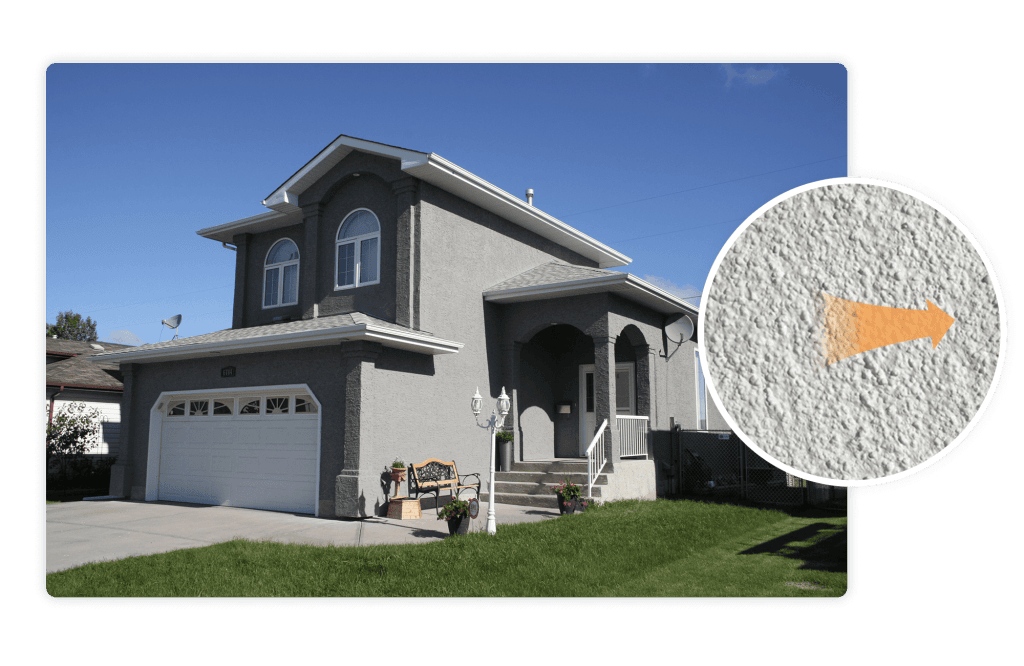
Finishes play a significant role in the overall appearance and durability of your home’s exterior. The choice between smooth and textured stucco finishes can impact the aesthetic, maintenance, and energy efficiency. While smooth finishes offer a sleek, modern look that’s easier to clean, textured options provide better insulation and hide imperfections. Understanding the benefits and drawbacks of each type will help you make an informed decision that enhances your property’s value and curb appeal.
Key Takeaways:
- Smooth stucco finishes provide a sleek, modern look and can be easier to clean, while textured finishes offer a more traditional, rustic appearance that can enhance curb appeal.
- Consider your region’s climate: Textured finishes can be more resistant to moisture damage and provide better insulation, making them ideal for humid environments.
- Your personal style and maintenance preferences should guide your choice. Textured finishes often require more upkeep, while smooth finishes may need occasional painting or touch-up work.
Understanding Stucco Finishes
To make an informed decision about your home’s exterior, it’s important to understand the different types of stucco finishes available. Each finish offers unique aesthetics and practical benefits, allowing you to choose a style that complements your architecture while considering maintenance, durability, and texture factors. Examining smooth and textured stucco finishes allows you to determine which option best fits your personal preferences and your home’s design needs.
What is Smooth Stucco?
Among the various finishes, smooth stucco is characterized by its flat, even surface, providing a sleek and modern appearance. This finish is often favored for its minimalist look, making it an ideal choice for contemporary homes. Additionally, smooth stucco is easier to maintain, as it is less prone to collecting dirt and debris.
What is Textured Stucco?
Contrastingly, textured stucco features a rough or patterned surface that adds depth and visual interest to your home’s exterior. This finish can range from subtle bumps to more pronounced design elements, catering to traditional or rustic aesthetics. Textured stucco often enhances your home’s curb appeal, giving it a unique character while providing better insulation and soundproofing qualities.
Another benefit of textured stucco is its ability to disguise imperfections in the underlying structure. This can be particularly important if your home has any signs of wear or damage. The diverse styles of textured finishes allow you to express your taste. Still, it’s vital to consider that they may require more frequent maintenance due to their surface irregularities, as they can quickly hold dirt, mold, and mildew than smooth finishes.
Aesthetic Considerations
The choice between smooth and textured stucco finishes significantly impacts the overall look of your home. Smooth stucco lends a contemporary, sleek feel, enhancing modern architecture. In contrast, textured stucco offers a more traditional and rustic appearance, adding character and depth to your exterior. Consider your home’s style, the neighborhood aesthetic, and personal preferences when deciding between these finishes.
Visual Appeal of Smooth Stucco
After applying a smooth stucco finish, your home’s exterior achieves a minimalistic and polished look that resonates with contemporary designs. This sleek finish enhances your home’s curb appeal and allows for easy color application, giving you the flexibility to use bold and striking hues that can make your property stand out.
Visual Appeal of Textured Stucco
Visual appeal is critical when selecting textured stucco for your home’s exterior. Your choice can evoke warmth and charm that resonates with traditional architectural styles, making your property feel inviting. With their unique patterns and designs, textured finishes can conceal imperfections and create eye-catching depth that draws attention.
Indeed, opting for textured stucco provides numerous design possibilities that can enhance your home’s exterior. With various styles—ranging from the classic Spanish lace to a rugged, hand-troweled finish—you can easily achieve the aesthetic that aligns with your vision. Textured finishes also effectively hide imperfections in underlying surfaces, ensuring that your home maintains a beautiful appearance over time, making it a practical choice for many homeowners.
Durability and Maintenance
Remember that the choice between smooth and textured stucco finishes not only influences your home’s aesthetic but also plays a significant role in its durability and required maintenance. Smooth stucco tends to be easier to clean, while textured options can better hide imperfections but may require a bit more effort to maintain due to their surfaces.
Longevity of Smooth Stucco
In addition to its sleek appearance, smooth stucco can last for decades when properly maintained. Its non-porous surface resists mold and mildew, making upkeep more manageable. With periodic inspections and repainting, smooth stucco can sustain its vibrant look and performance for up to 50 years.
Longevity of Textured Stucco
Durability is a key feature of textured stucco, which can also withstand the test of time. Textured surfaces are less prone to visible wear, helping to disguise small cracks or blemishes. With regular maintenance, textured stucco can last 30 years or more while providing a unique character to your home.
Further, textured stucco surfaces are designed to withstand harsh weather conditions and provide excellent insulation, contributing to your home’s energy efficiency. However, if left unattended, water can accumulate in the crevices, potentially leading to damage over time. Regular maintenance is crucial; cleaning and sealing your textured stucco can enhance its durability. The right choice for you will depend on your local climate conditions and personal preferences for appearance and maintenance demands.
Climate Considerations
Your choice between smooth and textured stucco finishes should consider your area’s climate. Different finishes can perform uniquely in varying weather patterns, affecting aesthetics and durability. Knowing how textures and smooth surfaces respond in extreme weather conditions can help you make a more informed decision that suits your environment and protects your home.
Performance in Different Weather
Between smooth and textured finishes, each behaves differently in fluctuating climates. Textured stucco can better withstand harsh elements, offering improved water resistance and reducing moisture buildup. In contrast, smooth stucco might be more susceptible to severe weather damage, requiring frequent maintenance and repairs over time.
The Ideal Environment for Each Finish
With the right conditions, each finish has its benefits. Textured stucco is well-suited for humid or rainy climates, as it helps shed water while also providing a rugged look that complements many styles. Conversely, smooth stucco works best in dry, arid environments, where the sleek surface can reflect heat and maintain aesthetic appeal without the risk of moisture-related issues.
Performance is necessary when choosing the ideal environment for each finish. Textured stucco excels in humid areas, where its surface allows for better drainage, making it less prone to wetness-related degradation. This resilience can help you avoid costly repairs down the line. Meanwhile, smooth stucco thrives in dry climates, providing a modern aesthetic and the ability to reflect sunlight, ultimately leading to less heat absorption. Each finish has strengths, but knowing your local conditions will guide you toward selecting the right finish that will last.
Cost Analysis
Not all stucco finishes are created equal when it comes to overall expenses. When comparing smooth and textured finishes, it’s important to consider both installation and long-term maintenance costs to determine which option best fits your budget.
Installation Costs
Installation of textured stucco typically costs more due to the additional materials and labor involved in creating the desired finish. You can expect to pay a premium for the intricate application process, while smooth stucco often presents a more affordable upfront option. Evaluating your budget will help you decide which finish works best for your financial plans.
Long-term Maintenance Expenses
Installation of your stucco finish can significantly influence future maintenance expenses. You may find maintenance less frequent with a smooth finish since it generally requires fewer repairs over time. However, textured finishes can trap dirt and moisture, leading to potential damage if not properly maintained. Investing in a textured stucco finish might bring higher long-term costs due to cleaning and repair needs. By understanding these factors, you can make a well-informed decision that balances aesthetic appeal with practical expenses.
Choosing the Right Finish for Your Project
Despite the many options available, selecting the right stucco finish for your project requires careful consideration of your specific needs and aesthetic preferences. Each finish offers unique benefits that enhance your property’s appeal and function. Take the time to evaluate smooth and textured finishes to determine which option best aligns with your vision and your environment’s demands.
Factors to Consider
Several factors should guide any decision you make regarding stucco finishes:
- Climate: Determine the durability needed for your local weather conditions.
- Aesthetics: Consider the visual impact you want for your property.
- Maintenance: Assess the upkeep requirements for each finish type.
- Application Cost: Factor in your budget limitations.
Perceiving the interplay of these elements can significantly help you choose a stucco finish that meets both your practical and aesthetic needs.
Getting Professional Advice
Obtaining professional advice is invaluable around any home improvement project. Consulting with a stucco coating expert can provide insight into the best stucco finish that suits your home while considering your budget and design goals. Professionals can guide you through the nuances of different finishes, helping you avoid potential pitfalls.
Getting expert recommendations can steer you away from common mistakes that could lead to costly repairs or aesthetic dissatisfaction. Qualified contractors understand the regional climate impacts and can recommend finishes that provide optimal detection against weather elements. Engaging with a professional ensures quality workmanship and brings peace of mind, knowing you made an informed choice for your renovations. At Lakeside Painters, we provide expert guidance and high-quality application to bring your vision to life. Contact us today to discover the perfect stucco finish for your home or business!
Conclusion
Considering all points, choosing between smooth and textured stucco finishes largely depends on your personal aesthetic preferences, maintenance willingness, and the architectural style of your home. Smooth finishes offer a modern, sleek look and are easier to clean, while textured finishes provide depth and character, though they may require more upkeep. Ultimately, evaluating how each option aligns with your vision will guide you in choosing to enhance your home’s exterior and meet your practical needs.
Q: What are the main differences between smooth and textured stucco finishes?
A: The primary differences between smooth and textured stucco finishes lie in their appearance and maintenance requirements. Smooth stucco has a sleek, polished look, making it suitable for modern architectural styles. This finish is easier to clean and less prone to dirt accumulation due to its minimal surface variations. On the other hand, textured stucco offers a more traditional aesthetic and can provide depth and character to a home’s exterior. However, it may be more challenging to clean, as dust and dirt can settle into the crevices of the texture. Ultimately, the choice between smooth and textured finishes depends on personal preference, the architectural style of your home, and the desired level of maintenance.
Q: How does the climate affect the choice between smooth and textured stucco finishes?
A: Climate plays a significant role in choosing smooth, textured stucco finishes. In regions with high moisture or rainfall, textured finishes may be more beneficial, as the uneven surface can aid in water drainage and support airflow, potentially reducing the risk of mold or mildew buildup. Conversely, in drier climates, smooth stucco may be more advantageous, as it can help to reflect heat and prevent temperature fluctuations within the home. Additionally, smooth surfaces tend to hold up better against harsh weather conditions, as fewer crevices can become damaged over time. Therefore, it’s necessary to consider local weather patterns when deciding the best finish for your property.
Q: What factors should you consider when choosing booth and textured stucco finishes for your home?
A: Several factors should be considered when deciding between smooth and textured stucco finishes for your home. First, consider the architectural style of your home; smooth finishes often complement modern designs, while textured finishes may better suit traditional or rustic homes. Next, reflect on the maintenance requirements; smooth stucco is generally easier to clean and maintain, while textured options may collect more dirt. Additionally, assess your local climate and its influence on durability and appearance. Finally, consider your budget, as some textured finishes can be more labor-intensive to apply and may incur higher costs. Weighing these factors will help you make an informed decision that aligns with your aesthetic goals and practical needs.