
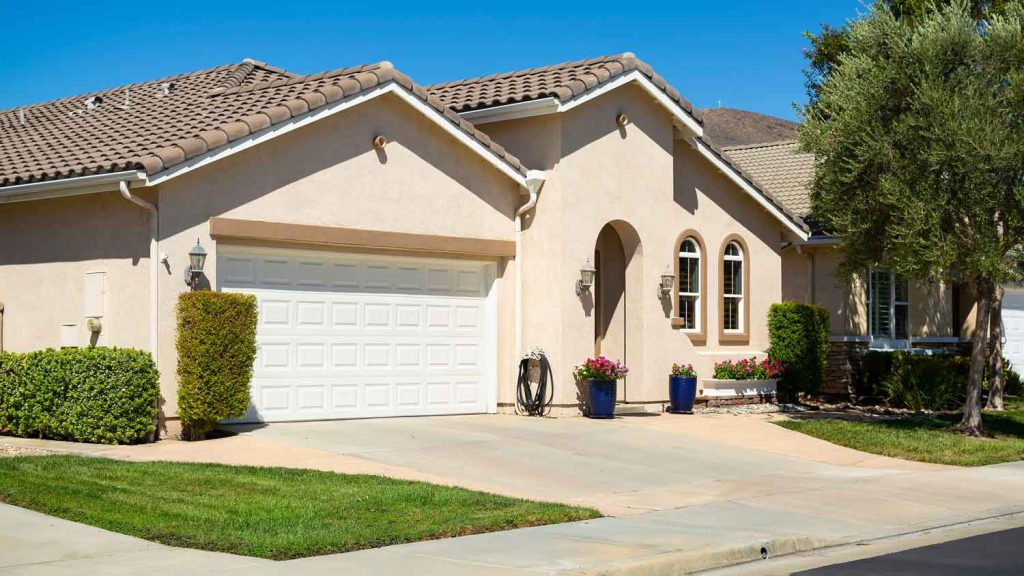
When homeowners compare siding options, the cost of brick versus stucco is rarely just about the first quote. The smarter question is: What will I pay today, what will I keep paying over time, and how will this choice affect resale? This guide breaks down the real-world math so you can choose with confidence, not guesswork. For a bigger-picture style and performance comparison, see our quick primer on stucco vs brick (link: https://lakesidepainters.ca/stucco-vs-brick-which-is-better/).
How to Think About “Cost” (Not Just Price)
Before we compare numbers, align on the cost layers that matter:
- Upfront installation: Materials, labor, site complexity, and detail work.
- Maintenance and repairs: Cleaning, sealing, patching, mortar, or crack work.
- Energy and comfort: How the cladding contributes to insulation or thermal stability.
- Lifespan & risk: How long each system typically lasts and what can cut that short.
- Resale & curb appeal: Market perception and how buyers value each finish.
Seeing all five layers prevents underestimating the long-term spend.
Upfront Pricing: What Drives the First Quote
Material & Labor Complexity
- Brick: The material cost per square foot is typically higher. Labor is specialized and time-intensive—bricklaying, mortar mixing, careful coursing, and detailing at openings. Complex patterns or multiple stories raise labor hours.
- Stucco: Typically lower material costs, with a 2–3-coat system (scratch, brown, finish) for cement-based stucco or a base + finish for acrylic systems. Labor is skilled, but application rates per day are generally higher than for bricklaying on large surfaces.
House Design & Access
- Multiple gables, bay windows, and tall elevations add staging and detail time for either system. Brick returns around windows/doors, arches, and soldier courses can notably lift labor hours. Stucco needs careful flashing and control joints, but often moves faster across broad walls.
Finishing Choices
- Brick: Face brick variety, mortar color, and joint style (raked, struck, flush) affect appearance and time.
- Stucco: Finish texture and color path—smooth trowel, sand float, Santa Barbara, or acrylic—shape labor. Smooth tastes great, but takes precision.
Bottom line: Upfront, brick is often the higher-ticket option due to material costs and masonry hours. Stucco typically comes in lower initially, especially for broad elevations with fewer architectural interruptions.
Maintenance & Repair: The Costs You’ll Actually See Over Time
Cleaning & General Upkeep
- Brick: Occasional wash; watch for efflorescence, mortar staining, and ivy/root issues.
- Stucco: Gentle wash; keep sprinklers off walls; monitor for hairline cracking and seal early.
Repairs You Should Anticipate
- Brick: Mortar joints weather. Repointing (replacing deteriorated mortar) is periodic, and costs depend on access and joint length. Spalled bricks near grade or downspouts may need replacement.
- Stucco: Hairline cracks are common and typically aesthetic; flexible sealants or finish re-coats handle them. Impact damage or substrate movement may need patching with mesh and a finish blend.
Recoating & Color Changes
- Brick: Painting brick is a one-way door—once coated, you’re committing to future repaints. Many homeowners leave the brick unpainted for maintenance simplicity.
- Stucco: Color can be integral (in the finish coat) or painted. Painted stucco follows a standard repaint cycle; integral color can extend repaint intervals but may require a full-panel recoat for a uniform tone.
Bottom line: Over decades, stucco typically incurs modest periodic repair or repaint costs, while brick’s long-term spend is concentrated in targeted repointing and occasional brick replacements. Total lifetime maintenance can be similar, but it presents differently (small, frequent stucco touch-ups vs. less frequent, specialized masonry work).
Energy & Comfort: The “Hidden” Cost
- Brick: High thermal mass helps smooth temperature swings—heat loads up during the day and releases slowly, supporting comfort in hot-summer climates.
- Stucco: When applied over proper sheathing and insulation, stucco builds a durable shell. Acrylic systems can improve water management with the right base coats and membranes.
Neither cladding nor insulation is a substitute for the other, but each can complement the wall assembly. Energy savings are greatest when the entire envelope—air sealing, insulation, and windows—is tuned together.
Lifespan & Risk: How Long Should It Last?
- Brick: Exceptionally long-lived when supported by a sound foundation, proper flashing, and maintained mortar joints. Risks include settling, frost damage at grade, or moisture issues where weeps and flashing are missing.
- Stucco: Decades of service with correct detailing, drainage, and seasonal care. Risks concentrate around penetrations, poorly sealed openings, or prolonged water exposure without repair.
Good detailing and regular inspections matter more than the material label.
Resale & Curb Appeal: What Buyers Think
Market perception can tilt value:
- Brick: Often reads “classic” and low-upkeep; strong curb appeal, especially with thoughtful color and joint choices.
- Stucco: Versatile style—Mediterranean, modern, smooth, or light texture. Fresh, uniform color and crack-free surfaces present beautifully. Smooth stucco can feel contemporary and upscale when executed well.
In many markets, both finishes resell well when they look cohesive with the home’s architecture and are clearly maintained. Visible neglect (cracks, stained mortar, peeling paint) hurts either option.
The Real Comparison: Cost of Brick Versus Stucco Over a 20–30 Year Window
Upfront: Brick usually higher; stucco lower.
Maintenance cadence: Stucco—more frequent light tasks (sealing hairlines, periodic repaint if painted). Brick—less frequent but specialized (repointing, selective brick replacement).
Aesthetic refresh: Stucco is easy to recolor uniformly; brick is best left natural unless you’re ready for ongoing repaint cycles.
Risk management: Both need working flashings, sealed penetrations, and prompt moisture fixes.
Resale: Both can show well; brick carries an enduring “premium” perception, while smooth stucco delivers modern curb appeal when detailed cleanly.
When Stucco Makes the Most Sense
- You want a lower initial spend without sacrificing longevity.
- You prefer uniform color now and cosmetic flexibility later (paint or integral).
- The design leans toward a modern or Mediterranean aesthetic, and smooth, continuous planes suit the architecture.
- You’re comfortable with small, periodic repairs to keep hairlines sealed and color fresh.
Want style pros/cons beyond price? Skim our overview: Stucco vs Brick—Which Is Better?
When Brick Is the Better Fit
- You favor a classic, textured façade with depth and pattern.
- You’re planning a very long hold and prefer minimal color maintenance.
- Your budget supports higher upfront costs for materials and skilled masonry labor.
- The neighborhood style or architectural plan points strongly toward brick.
Avoiding Budget Surprises (for Either Choice)
- Details at openings: Flashings, weeps, sealant joints—small line items that avert large repair bills later.
- Plan penetrations early: Vents, lights, cameras. Fewer, cleaner penetrations mean fewer future leaks and patches.
- Mind grade and drainage: Keep soil and sprinklers off the wall.
- Batch consistency: For stucco, consistent mixing and curing; for brick, consistent pallets and mortar color.
Quick Decision Grid
Choose stucco if you want:
- Lower upfront cost, flexible finishes, easy whole-home color refresh, modern curb appeal.
Choose brick if you want:
- Higher upfront investment with a traditional look, minimal repaint cycles, long-term durability with occasional repointing.
FAQs
1) Which is cheaper to install—the cost of brick versus stucco?
Stucco typically costs less upfront due to lower material prices and faster coverage. Bricks often cost more due to the material and masonry labor.
2) Long-term, which one is cheaper to maintain?
They can be similar over decades, but in different ways: stucco requires periodic sealing or repainting, while brick may require repointing in targeted areas. Local conditions and detailing make the difference.
3) Does painting brick or stucco change maintenance?
Yes. Painted brick commits you to future repaint cycles. Stucco can be finished in an integral color (fewer repaints) or painted (predictable repaint schedule). Either way, quality coatings matter.
4) Which has better resale value?
Both can resell well when the finish is clean and sound. Brick has a classic premium aura; smooth stucco reads modern and upscale—presentation is key.
5) Can I switch from stucco to brick later—or vice versa?
Switching systems later is a major renovation. If you might change the look down the road, stucco offers easier color and texture updates without re-siding.
If you’d like, I can localize this post for specific service areas (Niverville, Selkirk, Steinbach, Stonewall) and add light internal links. Want me to bold a few key phrases or include a quick comparison table for skimming?