
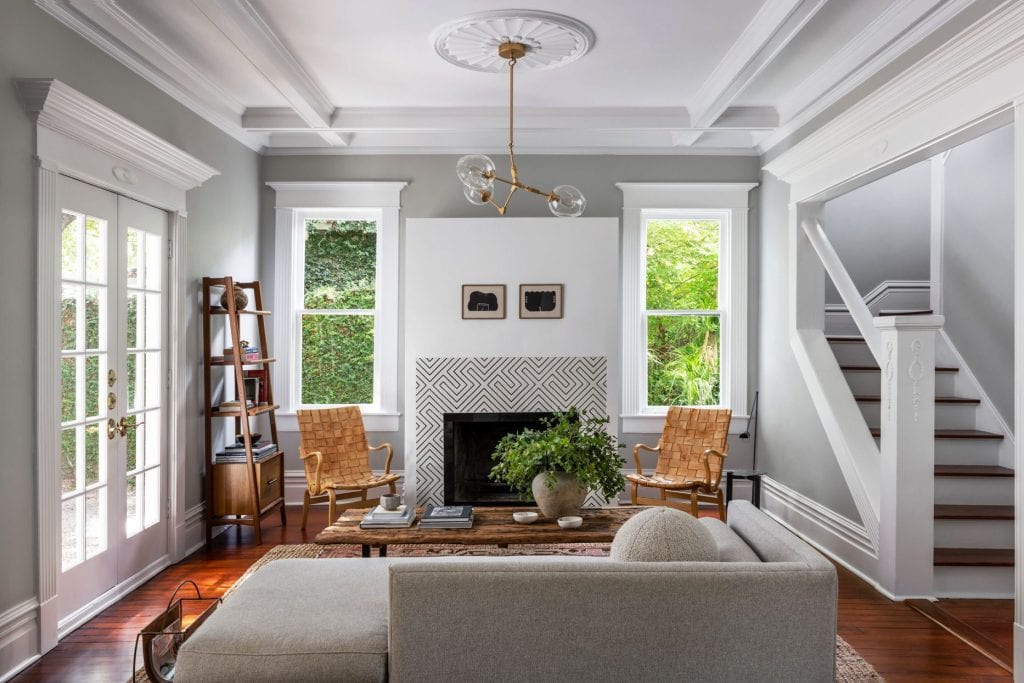
Repainting your home’s interior is one of the most effective ways to refresh your living space. Whether you’re looking to update the color scheme, increase the home’s value, or give the walls a new look, a fresh coat of paint can make a huge difference. However, achieving professional results requires more than just picking up a brush. Proper planning, preparation, and attention to detail are key to ensuring that the outcome is flawless and long-lasting. In this article, we’ll walk you through essential tips to consider when repainting your home’s interior so you can confidently transform your space.
1. Choose the Right Colors for Your Space
Selecting the right colors is one of the most critical aspects of repainting your home. Color not only sets the mood of a room but can also affect how large or small it feels. For example, lighter colors make a room feel more open and airy, while darker hues create a cozy, intimate atmosphere.
- Consider the room’s purpose: Consider the room’s function and how you want people to feel when they enter. For example, soft blues and greens create a calm, serene environment perfect for bedrooms or bathrooms, while warmer tones like yellows and oranges are inviting for living rooms or kitchens.
- Test colors before committing: Paint samples are your best friend. Try testing small patches of different shades on your wall to see how they look at other times of day and under various lighting conditions.
- Coordinate with existing decor: Ensure your chosen color complements your furniture, flooring, and accessories. This will create a cohesive and balanced look throughout your home.
2. Properly Prepare the Surfaces
Prepping your walls is crucial to ensure your new paint adheres properly and looks smooth. Skipping this step can lead to uneven finishes, peeling paint, and other long-term issues.
- Clean the walls: Dust, grease, and grime can prevent paint from sticking properly. Clean the walls thoroughly with mild soap and water, especially in high-traffic areas like kitchens and hallways.
- Repair damage: Look for cracks, holes, or dents in the walls. Use spackle or joint compound to fill imperfections and smooth them once dry. This will provide a flawless surface for the paint.
- Prime if necessary: If you’re painting over a dark color or have repaired areas on the walls, applying a primer is essential. Primer helps the new paint adhere better and ensures the actual color comes through.
3. Invest in High-Quality Paint and Tools
The quality of the materials you use will directly impact the final result of your repainting project. Cutting costs with cheaper paint may be tempting, but this often leads to subpar results and the need for more frequent touch-ups.
- Use high-quality paint: Better-quality paints tend to have higher pigment levels, so you’ll need fewer coats to achieve full coverage. They also tend to last longer and are more resistant to fading, cracking, or peeling.
- Pick the right finish: The sheen of the paint can affect both the look and durability. Flat or matte finishes are great for low-traffic areas, while semi-gloss or satin is ideal for kitchens, bathrooms, and trim due to their easy-to-clean surfaces.
- Don’t skimp on brushes and rollers: Investing in high-quality brushes and rollers can make a world of difference. Quality tools will help distribute the paint more evenly and smoothly, reducing the risk of visible brush strokes or roller marks.
4. Plan the Timing and Process
Planning out the timing and process will save you time and frustration when you’re ready to begin painting. A well-organized approach ensures a smoother and more efficient project.
- Clear the room: Move furniture out of the way or cover it with drop cloths to protect it from paint splatters. Cover the floor with plastic sheeting or a canvas drop cloth to avoid damage.
- Paint in the correct order: Always start from the top and work your way down. Begin with the ceiling, followed by the walls, and finally, the trim and baseboards. This prevents paint from dripping onto areas you’ve already finished.
- Be mindful of drying times: Give each coat of paint ample time to dry before applying the next. Rushing through this process can result in uneven coats or peeling.
5. Consider Hiring a Professional Painter
While many homeowners prefer the satisfaction of DIY painting, some situations call for professional expertise. Hiring a professional painter can save you time, hassle, and possibly even money in the long run.
- When to hire a pro: If you’re tackling an ample space, dealing with intricate details, or lacking the necessary time or tools, a professional painter can ensure a perfect finish. They have the experience to handle everything from surface prep to cleanup, and they’ll do the job efficiently.
- Find the right professional: When choosing a painter, look for recommendations from friends or family, read online reviews, and get multiple quotes. Always ask about their experience with the type of paint job you need and whether they’re licensed and insured.
Repainting your home’s interior can be a gratifying project, especially with the expertise of Lakeside Painters. Our team helps transform your living space by selecting the perfect colors and finishes, ensuring every detail is meticulously executed. Whether you opt for a DIY approach or choose our professional services, proper planning and execution are key to success. With Lakeside Painters, you’ll achieve a beautifully repainted interior that reflects your personal style and adds significant value to your home.
FAQ
How can I use color psychology to transform the mood of my home, rather than just its appearance?
Color isn’t just about aesthetics—it can influence how you feel in a space. For example, soft blues and greens can create a calming atmosphere in bedrooms, while vibrant yellows or oranges can energize kitchens or creative spaces. Before choosing a color, ask yourself what mood you want to evoke in each room and consider how natural light and existing décor will interact with your chosen palette. Research shows that warm colors like red and orange can stimulate energy and conversation, while cool colors like blue and green promote relaxation and tranquility
Is it possible to refresh my home’s look without repainting every wall?
Absolutely! Sometimes, repainting a single wall as an accent or using creative techniques like color blocking or a color wash can dramatically change a room’s vibe. This approach saves time and resources while still providing a fresh perspective. Consider highlighting architectural features or focal points, such as a fireplace or a wall behind a favorite piece of furniture, to maximize impact.
What’s the most overlooked step in achieving a flawless paint finish?
Meticulous preparation is often underestimated but is crucial for a professional result. This includes cleaning walls, patching holes, sanding rough spots, and using primer where needed. Skipping these steps can lead to uneven finishes and paint that doesn’t last. Investing time in prep work ensures your new paint looks great and stands the test of time.
How can I avoid the frustration of mismatched paint colors or finishes?
Paint colors can look very different in your home compared to the store due to lighting and surrounding colors. Always test samples on your walls and observe them at different times of day. Additionally, consider the sheen: eggshell is versatile and easy to clean, while matte is best for low-traffic areas and gloss for trim or cabinets. Mixing paint cans together (boxing) before starting ensures color consistency across large areas.
What creative ways can I personalize my space beyond just changing the wall color?
Think beyond the brush! Try painting ceilings, doors, or trim in unexpected hues for a unique twist. Use painter’s tape to create geometric patterns or stripes, or experiment with textured finishes like sponging or rag rolling. Even small changes, like updating the color of window frames or baseboards, can make your space feel uniquely yours.