
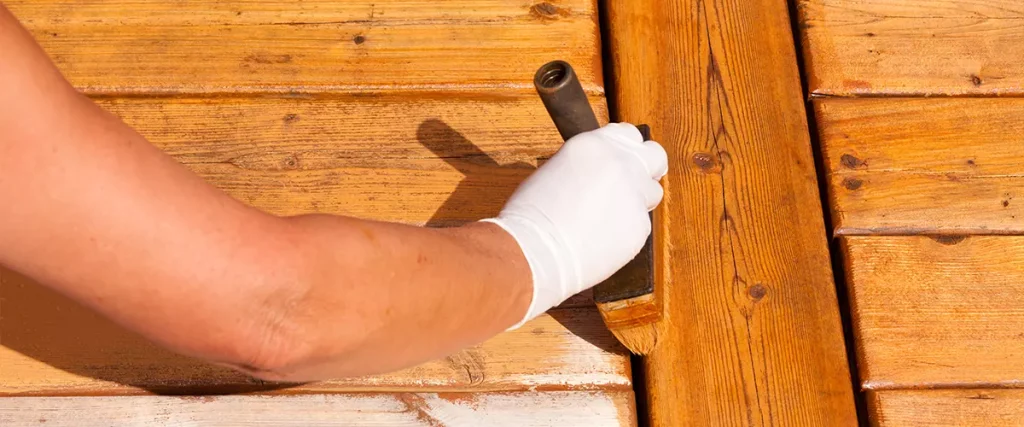
You may wonder which type of wood stain is most suitable for your next woodworking project. Each option has strengths and weaknesses in the battle of oil-based versus water-based wood stains. Oil-based stains typically provide deeper penetration and richer color, while water-based stains offer faster drying times and easier cleanup. Understanding the differences between these two types will help you make an informed decision that aligns with your specific needs and preferences. Let’s investigate the details to determine which stain best fits your project.
Key Takeaways:
- Oil-based stains typically offer deeper penetration and richer color, making them a popular choice for enhancing wood’s natural beauty.
- Water-based stains dry faster, have lower odor levels, and are easier to clean up, making them user-friendly for indoor projects.
- Choosing between oil-based and water-based stains largely depends on the desired finish, project requirements, and environmental considerations like fumes and drying time.
Understanding Wood Stains
Your selection of wood stains can significantly affect the appearance and longevity of your wood projects. Understanding the differences between oil-based and water-based stains is imperative for achieving the desired finish. Each type has unique characteristics that influence application, drying time, and durability, ultimately forging your project’s success.
Definition of Oil-Based Stains
Overall, oil-based stains are a traditional choice known for their deep penetration and rich color. They typically consist of a pigment suspended in an oil medium, which allows them to adhere effectively to the wood surface. This type of stain is especially favored for its durability and resistance to wear.
Definition of Water-Based Stains
Many woodworkers and DIY enthusiasts turn to water-based stains due to their quick drying times and low odor. Water-based stains are made with pigments suspended in a water medium, making them easy to clean up and less harmful to the environment.
For instance, water-based stains can provide a fast drying time that helps you complete your projects quickly. They are available in various colors and are less likely to yellow over time than oil-based stains. However, they might require more frequent reapplication to maintain the desired look, as they may not penetrate as deeply into the wood. Additionally, while they are safer for indoor use, their lower durability may necessitate a protective topcoat to enhance their lifespan.
Application Techniques
The method you choose to apply your wood stain can greatly influence the final outcome. Both oil-based and water-based stains have their own recommended application techniques. For the best results, ensure that you work in a well-ventilated area and follow the manufacturer’s instructions.
Best Practices for Oil-Based Stains
Contrary to common misconception, achieving a smooth finish with oil-based stains requires careful application. Use a high-quality brush or cloth to apply the stain evenly, working with the grain. Allow adequate drying time between coats to avoid adhesion issues, and always test on a scrap piece first to ensure the color matches your expectations.
Best Practices for Water-Based Stains
Along with proper technique, timing is necessary when using water-based stains. Apply the stain with a brush or foam applicator for an even coat and avoid over-saturating the wood. Quick drying times mean you’ll need to work faster, applying thin layers and allowing each to dry completely before adding more.
Using water-based stains is advantageous for their easy cleanup and low odor. They typically dry faster, allowing you to finish your project in less time. However, be mindful of application conditions; humidity and temperature can affect drying time. It’s necessary to apply in a well-ventilated area to avoid inhaling fumes, even if they are less offensive than oil-based options. Always test on a small area to ensure desired results before fully committing to your stain choice.
Drying Time and Curing
Despite varying conditions, the drying time and curing process are crucial considerations when choosing wood stains. Oil-based stains typically take longer to dry, sometimes between 6 to 8 hours before recoating, while water-based stains can dry in just 1 to 2 hours. However, curing, which allows stains to reach their maximum durability, occurs over several days, with oil-based stains requiring longer than their water-based counterparts. Understanding these differences can significantly influence your project timeline and the final finish.
Oil-Based Stains: Pros and Cons
To weigh the benefits and drawbacks of oil-based stains, refer to the table below:
| Pros | Cons |
|---|---|
| Deep penetration into the wood | Longer drying time |
| Durable finish | Strong odor |
| Rich, vibrant colors | Difficult cleanup with solvents |
| Less likely to raise wood grain | Yellows over time |
| Good for high-traffic areas | Requires longer curing time |
| Resistant to water damage | May require additional coats |
Water-Based Stains: Pros and Cons
One advantage of water-based stains is their quick drying time, facilitating faster project completion. The pros and cons are summarized in the table below:
| Pros | Cons |
|---|---|
| Fast drying time | May raise wood grain |
| Low odor | Less durable finish |
| Easy cleanup with water | Can be less forgiving in application |
| No yellowing over time | Requires more frequent reapplication |
| Environmentally friendly | Not ideal for outdoor projects |
Curing is an important aspect when using water-based stains, as it determines the longevity and durability of your project. While water-based stains dry quickly, curing can take about 7 to 14 days for the stain to fully harden and reach its peak resistance. This results in a finish that can be vulnerable to scratching during the initial curing period. Opting for water-based stains means exercising caution on the days following application to avoid damaging your work. Understanding these factors will help you make an informed choice that aligns with your project needs.
Color Retention and Finish
All wood stains can enhance the beauty of your wood projects, but their ability to retain color and finish varies. Oil-based stains generally offer deeper color penetration and better overall color retention over time, while water-based stains might fade faster but provide a quicker drying time and easier cleanup. Understanding these differences will help you decide on the appropriate stain for your needs.
Longevity of Oil-Based Stains
Above all, oil-based stains are renowned for their longevity. When applied correctly, they can last for years, maintaining vibrant colors and a durable finish. This durability makes them ideal for high-traffic areas or outdoor applications with common exposure to elements.
Longevity of Water-Based Stains
Compared to oil-based options, water-based stains typically have a shorter lifespan. Their water-soluble nature may lead to quicker fading under UV exposure and moisture. However, technological advances have improved their durability, providing decent longevity with proper maintenance.
Due to the water-based stains being less resistant to outdoor elements, you should consider applying a protective topcoat for added longevity. While they dry faster, making them more convenient, their color retention might not match that of oil-based stains. Nevertheless, high-quality water-based options can provide satisfactory results with regular upkeep, making it imperative to balance convenience and durability according to your specific project needs.
Environmental Impact
Once again, the choice between oil-based and water-based wood stains comes down to their respective environmental impacts. Oil-based stains typically release higher levels of volatile organic compounds (VOCs), contributing to air pollution and negatively affecting indoor air quality. In contrast, water-based stains are designed to be more environmentally friendly, offering a less harmful solution for your health and the planet.
VOC Emissions in Oil-Based Stains
At the heart of the debate over oil-based stains lies their higher VOC emissions, making them less desirable from an environmental standpoint. These compounds can contribute to respiratory issues and may even harm the ozone layer. You should consider these factors, especially if you’re sensitive to chemicals or planning to work indoors.
Environmental Benefits of Water-Based Stains
Many DIY enthusiasts and professionals turn to water-based stains for their environmental benefits. These stains emit significantly lower levels of VOCs, making them safer choices for both indoor and outdoor projects. You can feel good about using water-based stains since they create a healthier living environment.
Environmental benefits of water-based stains extend beyond just lower VOC emissions. They are often easier to clean up with soap and water, reducing the use of harsh solvents and chemicals. Additionally, many water-based options are made from renewable resources and contain less hazardous materials, making them safer for you and wildlife. By choosing water-based stains, you’re actively participating in a more sustainable approach to woodworking, which can positively impact the planet.
Cost Considerations
Cost is a vital factor in any DIY project. When comparing oil-based and water-based wood stains, your budget can significantly influence your choice. Oil-based stains are more expensive upfront but may require additional costs for application tools and cleanup. In contrast, water-based stains can be more cost-effective initially, but the total expense might vary depending on your project size and the number of coats needed.
Pricing of Oil-Based Stains
Considerations regarding oil-based stains often center around their higher initial price point. While they may offer deep penetration and a rich finish, these benefits come at a cost. Typically, expect to pay more for quality oil-based products, but they can yield long-lasting results that justify the investment.
Pricing of Water-Based Stains
Water-based stains tend to be cheaper than their oil-based counterparts, making them an attractive option for budget-conscious projects.
Pricing for water-based stains generally falls into a more affordable range, allowing you to achieve quality finishes without stretching your budget. These stains are often easier to apply and clean up with soap and water, significantly reducing your overall project costs. However, evaluating the long-term durability versus the initial savings is vital, as cheaper products may require more frequent reapplication.
Summing up
Choosing between oil-based and water-based wood stains depends on your specific needs and preferences. If you desire durability and depth of color, oil-based stains could be the better option for your projects. However, if you prioritize ease of application and quicker drying times, water-based stains may better suit your requirements. Ultimately, evaluating your project’s demands and working environment will guide you in selecting the most suitable stain type for your wood finishing endeavors.
Q: What are the main differences between oil-based and water-based wood stains?
A: The primary differences between oil-based and water-based wood stains include their composition, drying time, and ease of application. Oil-based stains penetrate the wood more deeply and tend to enhance the wood grain, offering a rich, warm finish. However, they take longer to dry—sometimes up to 24 hours—and have a strong odor during application. On the other hand, water-based stains dry much faster (usually within a couple of hours) and have a lower volatile organic compound (VOC) level, making them more environmentally friendly. They may require more frequent application to achieve a similar depth of color, but they clean up easily with soap and water.
Q: Which type of stain is better for outdoor projects?
A: Oil-based stains are generally recommended for outdoor projects due to their superior durability and resistance to weather conditions. They create a protective layer that helps repel moisture and resist UV rays, making them ideal for decks, fences, and outdoor furniture. Water-based stains can also be used outdoors; however, they may require more frequent reapplication since they tend to wear off more quickly when exposed to harsh environments. Ultimately, the choice may also depend on the specific wood type and the desired finish.
Q: How do application techniques differ between oil-based and water-based stains?
A: Application techniques can vary based on whether you’re using oil-based or water-based stains. Oil-based stains are typically applied with a brush, rag, or foam applicator, and users should wait a few minutes before wiping off any excess to avoid an overly dark finish. In contrast, water-based stains can often be applied using a sprayer, brush, or cloth, and they allow for a more forgiving approach since they dry quickly. Applying water-based stains in thinner layers is important to prevent streaking and ensure an even finish. Always follow the manufacturer’s instructions for the best results with each specific type of stain.
At Lakeside Painters, we provide expert guidance and professional staining services to help you achieve lasting beauty and protection. Contact us today to discuss your project and find the perfect solution.