
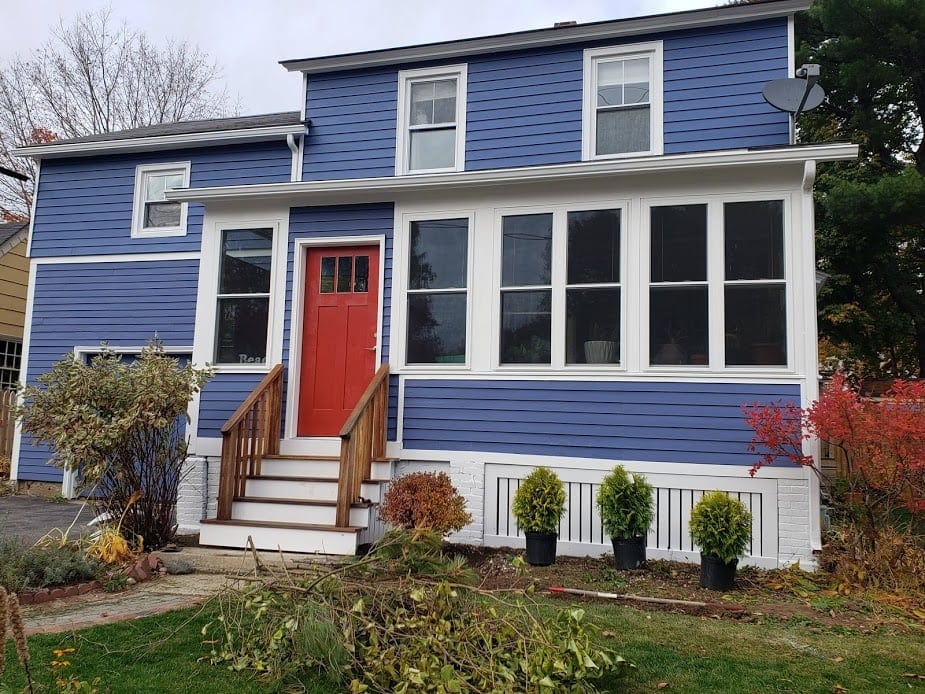
Seasonal weather in Winnipeg demands that you adjust painting schedules, materials and techniques to protect your home. As a Winnipeg homeowner, you should avoid painting in freezing temperatures and high-humidity days because cold and moisture can cause paint failure. Prioritize prep, proper primer and ventilation so your finish lasts longer, and consult local pros like Lakeside Painters (https://lakesidepainters.ca/) for specific Winnipeg product recommendations. With tailored timing and the right coatings for Winnipeg’s extremes, you protect curb appeal and structural integrity.
Key Takeaways:
- Time projects to the seasons: schedule exterior painting in spring or early fall when Winnipeg temperatures and humidity are steady to ensure proper drying; avoid direct summer sun and postpone exterior work through Winnipeg’s freeze-thaw periods.
- Prep and product choices must suit the climate: use high-quality primers, breathable exterior coatings, and moisture-resistant finishes, and fix rot or gaps before painting to withstand Winnipeg’s wet springs and cold winters.
- Work with local pros for best results: Lakeside Painters understands Winnipeg’s seasonal windows and surface needs—visit https://lakesidepainters.ca/ for a Winnipeg-specific estimate and guidance tailored to your home.
The Winnipeg Climate: Unique Challenges for Home Painting
Seasonal Temperature Fluctuations
Winnipeg’s temperature swing can be extreme: winters routinely dip to -30°C to -40°C while summer highs often reach +25°C to +35°C. Many latex paints require surface and air temperatures above 10°C for proper film formation, so you should schedule exterior work in the narrow window between late May and early September; aim for midday application to avoid cold night setbacks and frozen finishes that ruin adhesion.
Temperature vs. Recommendations
| Temperature Range | Impact & Action |
|---|---|
| Below 0°C | Do not paint; water-based paint will freeze, solvents won’t evaporate, adhesion fails. |
| 0°C – 10°C | Slow curing, higher risk of poor film; use specialty low-temp coatings or wait for warmer window. |
| 10°C – 25°C | Ideal for most latex and acrylics; plan exterior coats mid-morning to mid-afternoon for best drying. |
| Above 25°C | Fast skinning and brush marks; mist-spray or thin coats and avoid direct midday sun on hot vinyl or wood. |
Humidity and Its Impact on Paint Applications
High summer humidity in Winnipeg often exceeds 60–80% RH, which can double dry times and increase the chance of blistering or poor cure; choose days with lower RH or use dehumidification for interior work to keep recoat windows predictable and avoid trapped moisture under the film.
Late spring and summer dew points matter more than ambient numbers: if the dew point is close to surface temperature, condensation will form on siding and siding fails to accept paint. You can expect a typical latex recoat time of 2 hours at 23°C/50% RH to stretch to 4–6 hours at 75% RH; oil-modified systems also suffer tackiness and extended cure. Lakeside Painters uses moisture meters and 24–48 hour forecast checks for Winnipeg jobs, and will delay exterior painting until sustained conditions (temperatures within manufacturer specs and RH below ~70%) are present. Proper timing and ventilation not only prevent adhesion failures and mold growth, they extend the life of your finish and save you from costly touch-ups. For specific product recommendations or scheduling help in Winnipeg, visit https://lakesidepainters.ca/ or contact our team.
Timing Your Painting Projects: The Ideal Seasons
Spring Refresh: Preparing for a New Season
April and May in Winnipeg offer a window when exterior temperatures often reach the 5–15°C range that many latex paints tolerate; you should wait for a consistent stretch of dry, 48-hour weather before painting. Tackle power washing at 1,500–2,000 psi, scrape loose paint, repair caulking, and prime any bare wood so your finish lasts through wet springs and summer sun. Lakeside Painters recommends scheduling prep crews early—April bookings fill fast in Winnipeg.
Fall Touch-Ups: Protecting Against Winter Elements
September and early October in Winnipeg are ideal for spot repairs because you give coatings the time they need to cure before freeze-up; many acrylics need about 7 days to achieve full cure. Focus on trim, eaves, and doorframes, and avoid painting below 5°C or within 24 hours of forecasted rain or frost to prevent adhesion failure. Contact Lakeside Painters to line up fall crews before the first storm.
Field experience in Winnipeg shows that over 60% of exterior paint failures start at seams and roofline penetrations, so you should prioritize sealing gaps and replacing rotten boards during fall touch-ups. Use a high-quality acrylic primer on exposed wood, apply 2–3 coats of exterior acrylic latex in high-wear zones, and inspect gutter downspouts and flashing for leaks that will force moisture under paint. For lakefront homes, consider finishes with enhanced mildew resistance and schedule your contractor at least 10–14 days before typical first-freeze dates—Lakeside Painters (https://lakesidepainters.ca/) can provide a site-specific timeline based on your Winnipeg microclimate and exposure.
Selecting the Right Paint: What Every Homeowner Should Know
Choosing Between Oil-Based and Water-Based Paints
Oil-based paints give you superior hardness and smooth trim work, but they need mineral spirits for cleanup and have higher VOCs; expect a recoat window of about 24 hours. Water-based (latex) dries to the touch in 1–2 hours, allows recoat in 2–4 hours, resists yellowing, and works better with Winnipeg’s indoor temperature swings. You’ll often pick latex for walls and oil for high-wear cabinets or historic trim, and avoid oil finishes if your space can’t be reliably heated above 10°C.
Understanding Paint Finishes: Matte, Satin, and Gloss
Matte hides imperfections with low reflectivity, making it ideal for ceilings and low-traffic rooms, while satin (eggshell to satin range) offers a soft sheen and is easier to clean for hallways and family rooms; semi-gloss and gloss provide the highest durability for doors, trim, and kitchens where scrubbing is frequent. In Winnipeg homes you’ll often balance matte’s aesthetics on living walls with satin or semi-gloss on areas that need monthly cleaning.
Lakeside Painters recently completed a Winnipeg bungalow using matte on 10-foot ceilings, satin on main living walls, and semi-gloss on trim—clients reported noticeably fewer scuff marks and easier maintenance after six months. If you need project-specific guidance, you can view our portfolio or contact us at https://lakesidepainters.ca/ to match finish, sheen, and VOC level to your room’s use and Winnipeg’s climate.
The Importance of Surface Preparation
Cleaning and Repairing Surfaces Before Painting
Power-wash siding at 1,200–1,800 psi to remove dirt and mildew, then scrape and sand any loose paint down to feathered edges; on softwood lower the pressure to avoid fiber damage. If your home predates 1970, test for lead-based paint and follow abatement protocols. Patch rotten boards, replace fasteners and use an exterior-grade filler on gaps larger than 3 mm so primers and topcoats bond properly—these steps are standard on Winnipeg houses facing harsh freeze-thaw cycles.
Weatherproofing Strategies for Long-Lasting Results
Seal perimeter joints, flashing and gaps with a 100% acrylic exterior caulk, use a backer rod for openings over 6 mm, and prime exposed wood with a high-adhesion primer to prevent moisture entry and paint failure—these tactics reduce maintenance in Winnipeg’s seasonal extremes.
Choose coatings rated for freeze-thaw and UV exposure: a 100% acrylic topcoat over a compatible primer resists peeling and chalking better than economy blends. Apply at least two coats, allowing roughly 24 hours between coats at 15°C (longer in cooler weather), and avoid painting if humidity exceeds 85% or temperature is below 10°C for latex products. For stucco or masonry, consider elastomeric coatings to bridge hairline cracks; for cedar siding, use a stain-blocking primer plus two full topcoats. On multiple Winnipeg projects Lakeside Painters (https://lakesidepainters.ca/) found that combining backer rod, proper flashing and a full prime/topcoat system cut callbacks by more than half and delivered noticeably longer service life in neighbourhoods like River Heights and St. Boniface.
Techniques for Optimal Application
Brush vs. Roller vs. Spray: When to Use Each
Choose tools by surface and finish: use a 2–2.5″ angled brush for trim and tight joints, a 3/8″ nap roller for smooth interior walls and 1/2″–3/4″ for light-to-medium texture on exterior siding. Airless sprayers shine on large Winnipeg exteriors and fences because they can cut application time dramatically, but overspray can travel 20–50 feet in a breeze, so mask windows, plants and vehicles and avoid spraying above ~10 km/h wind.
Layering: The Power of Multiple Coats
Apply at least two topcoats for color uniformity and wear resistance; one coat often hides less than 90% of the previous color, while two coats reach full opacity and UV protection. Allow manufacturer-recommended flash times (commonly 2–6 hours at 20°C) and expect longer cure in chilly Winnipeg conditions; two coats typically extends exterior life and reduces maintenance frequency.
Pay attention to wet-film thickness and the paint’s spread rate—most acrylic emulsions cover ~10–12 m² per litre per coat; if you’re covering porous or previously weathered siding in Winnipeg, plan extra material. Lightly sand between coats with 220-grit where adhesion is a concern, and use a quality primer on bare wood, metal or chalky surfaces to improve hold. In our Winnipeg projects, Lakeside Painters finds that following manufacturer spread rates and using a primer plus two topcoats cuts callbacks by more than half; for help estimating materials or scheduling around Winnipeg weather call or visit Lakeside Painters.
Maintenance Tips: Keeping Your Paint Job Fresh
- Seasonal walk‑arounds: check for flaking, blistering, peeling caulk and any water stains on siding and trim — Winnipeg winters accelerate damage.
- Keep a maintenance kit with matched paint, a 2″ brush, fine sandpaper and marine‑grade caulk for exterior touch‑ups.
- Clean gutters and downspouts quarterly to avoid back‑splash stains and trapped moisture on painted surfaces.
- Record paint batch numbers and sheen levels so you always match your paint job exactly during repairs.
- Hire pros for large issues: local Winnipeg painters can assess hidden rot and advise on full‑section repainting.
Seasonal Inspections: Catching Issues Early
Walk the perimeter after spring thaw and again in October: inspect trim joints, window sills and eaves for cracking, mold or loose caulk. In Winnipeg you’ll often find hairline cracks from freeze‑thaw cycles; mark affected areas, take photos for your records, and plan repairs within a month to prevent water ingress and wood rot.
Touch-Up Techniques for Longevity
Prep spots by wiping with a TSP substitute, sanding edges to feather the old paint, then apply a compatible primer before finishing with your matched coat; in Winnipeg low humidity speeds curing but watch cold snaps that can slow adhesion.
For best results you should match sheen and pigment using the original batch number or a professional color scan; feather the new paint into the surrounding area with light, overlapping strokes to avoid hard edges. Apply thin coats—two is better than one heavy coat—to prevent drips and ensure even drying. For metal surfaces spot‑prime with a rust‑inhibitor; for previously stained wood use a stain‑blocking primer. If patches exceed 12″ or multiple spots recur, schedule a full section repaint: Lakeside Painters in Winnipeg can document conditions, supply OEM‑grade products, and complete work to factory specifications.
Any questions or to book a local assessment in Winnipeg, contact Lakeside Painters at https://lakesidepainters.ca/.
Cost Considerations: Budgeting for Seasonal Projects
Analyzing the Cost of DIY vs. Professional Help
Estimating costs in Winnipeg, DIY materials for a mid-size exterior typically run $200–$600 (primer, 10–15 L paint, caulking), while hiring pros averages $1,500–$4,000 depending on house size and prep. If you value time and safety, you’ll appreciate that pro crews handle scaffolding, permits and weather windows; DIY saves labor but often adds hidden costs like equipment rental ($50–$150/day) or repairs from mistakes. Ask for itemized quotes to compare true costs against your available time.
Long-Term Savings with Quality Materials
Paying more per gallon for premium exterior paint often reduces repaint frequency in Winnipeg from every 4–6 years down to 10–15 years; premium acrylic at $60–$90/gal vs economy at $20–$35/gal changes your lifetime cost. You gain better UV resistance and mildew inhibitors for siding and trim, so your seasonal maintenance needs drop and repaint cycles stretch into decades.
Consider a 1,800 sq ft Winnipeg bungalow needing ~10 gallons and average labour of $2,000: economy route — paint $250 + labour $2,000 every 4 years ⇒ ~ $6,750 over 12 years; premium route — paint $750 + labour $2,000 once every 12 years ⇒ ~ $2,750 over 12 years, a net saving of $4,000. Winnipeg’s freeze–thaw cycles amplify the benefits of premium coatings and proper prep, and you also reduce risks like paint failure and trapped moisture that can cause wood rot and mold, often far costlier than repainting. Lakeside Painters offers lifetime-cost estimates and warranties tailored to Winnipeg homes — request a quote at https://lakesidepainters.ca/ to compare scenarios for your property.
Eco-Friendly Practices: Sustainable Painting Options
Low VOC and Zero VOC Paints: What You Need to Know
Opt for paints labeled low‑VOC (<50 g/L) or zero‑VOC (<5 g/L) to cut indoor air pollution; you’ll often notice odour subsiding within 24–48 hours instead of lingering for days. Modern low‑VOC formulas match durability and scrub resistance of older solvent paints, so you won’t sacrifice performance. If you live in Winnipeg, Lakeside Painters can recommend certified lines suited to humid summers and cold winters. Zero‑VOC paints dramatically improve indoor air quality for sensitive occupants.
Recycling Paints and Materials: The Winnipeg Approach
Winnipeg residents can take leftover paint to household hazardous waste depots or seasonal collection events rather than disposing of it at home; do not pour paint down drains or onto soil. Oil‑based products contain high VOCs and need special handling, while latex can often be dried and disposed of under local rules. Several retailers in Winnipeg also run limited take‑back programs—call ahead and ask for specific acceptance rules.
Municipal programs in Winnipeg typically accept leftover paint at the Household Hazardous Waste depot and community collection days, with limits often around 20 L per household per visit, so consolidate cans before you go. Unused, unopened latex cans can often be donated to community groups or school projects, and fully dried latex is commonly allowed in regular waste—check city guidelines first. Metal, empty paint cans are recyclable curbside once cleaned and dry. For on‑site reduction strategies, pickup options, or to find the nearest depot in Winnipeg, contact Lakeside Painters at https://lakesidepainters.ca/ — we help you minimize waste and handle oil‑based and solvent paints safely.
Conclusion
Presently you can plan seasonal painting projects with confidence: Winnipeg painters advise preparing exterior work in spring and summer, scheduling interior refreshes for Winnipeg winters, and protecting trim during Winnipeg’s freeze-thaw cycles; local insight from Winnipeg specialists helps you choose materials and timing. You should consult Lakeside Painters for tailored timelines and visit https://lakesidepainters.ca/ to book an assessment and keep your home in top condition year-round.
FAQ
Q: When is the best time to paint the exterior and interior of a home in Winnipeg?
A: For exterior painting in Winnipeg, the most reliable window is late spring through early fall when daytime temperatures consistently sit between about 10°C and 25°C and there is low risk of rain or early frost. Paint needs time to cure, so choose days with several consecutive dry, mild weather days. Late spring and early summer avoid temperature swings and the freeze–thaw cycles of early spring. Fall can work for exterior jobs if nights stay above freezing and surfaces are dry. For interior painting, any season can be suitable provided you control temperature and humidity inside the house; heated homes in winter allow interior work but expect slower drying times if humidity is high. If you want help planning the timing to suit Winnipeg’s local weather patterns and to avoid delays, contact Lakeside Painters at https://lakesidepainters.ca/.
Q: How should homeowners prepare surfaces for seasonal changes before painting?
A: Proper preparation extends the life of a paint job. For exteriors, start by power washing to remove dirt, pollen, and old chalking; allow surfaces to dry completely. Scrape and sand loose or peeling paint, replace rotten trim or board sections, and apply high-quality exterior caulk to gaps and seams to keep moisture out. Prime bare wood and metal with a suitable primer to enhance adhesion and resist moisture. For interior prep, clean walls to remove grease and dust, sand glossy areas, fill holes and cracks with spackle, and prime stained or high-porosity spots. In spring and fall in Winnipeg, pay extra attention to seals around windows and doors because seasonal movement and moisture can open gaps; use weather-rated caulk and check that exterior paint near eaves and decking has no exposed fastener heads. If you’d like a site assessment, Lakeside Painters offers walkthroughs to identify prep needs specific to your home and the local climate (https://lakesidepainters.ca/).
Q: What paint types, sheens, and maintenance tips work best for Winnipeg homes through the seasons?
A: For exteriors in Winnipeg’s variable climate, 100% acrylic latex paints are a common choice because they flex with temperature changes and resist UV degradation; use a high-quality exterior primer on bare wood or metal. For trim and areas that need extra durability, consider a satin or semi-gloss finish to shed water and allow easier cleaning. Interior paints: use washable eggshell or satin finishes in living spaces and semi-gloss for trim, kitchens, and bathrooms. Select paints with mildew-resistant additives for bathrooms and basements. Maintenance tips include annual inspections of high-exposure areas (north-facing walls, eaves, and decks), touch-up paint stored in labeled containers for quick fixes, and cleaning painted surfaces gently to remove dirt before it wears the film. Seasonal checks in spring and fall in Winnipeg will catch small problems—cracked caulking or lifting paint—before they become larger issues. For product selection tailored to your house and budget, Lakeside Painters can recommend brands and finishes tested in local conditions; visit https://lakesidepainters.ca/ to get a quote or consultation.