
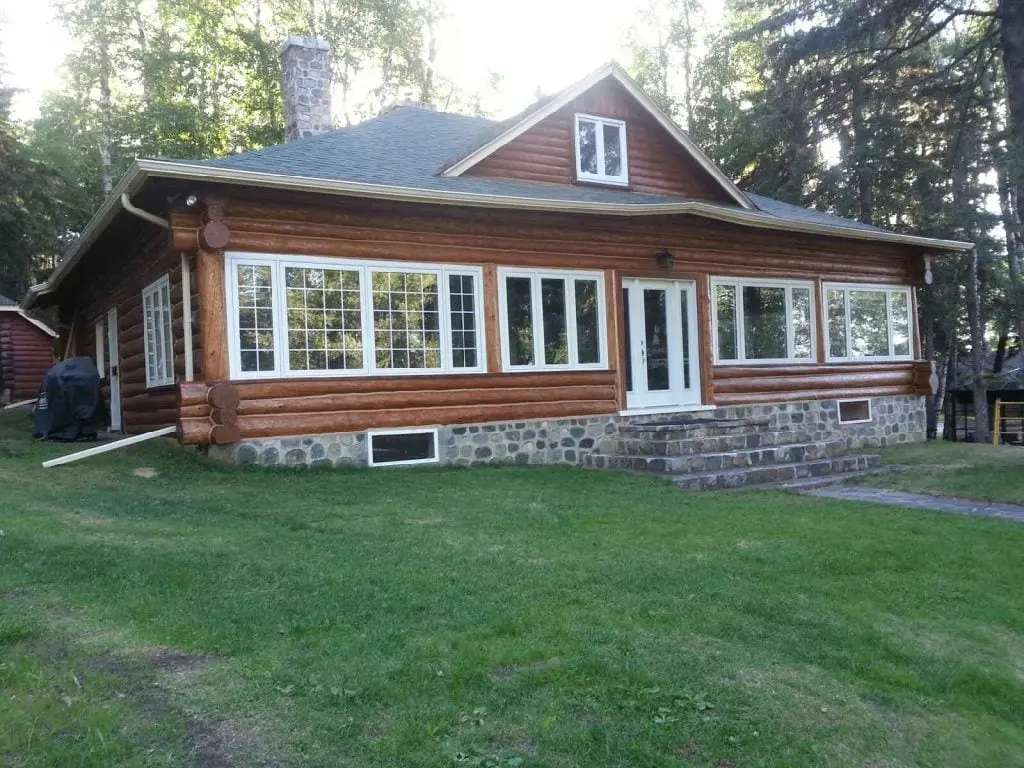
Owning a lake cottage or cabin is a special kind of homeownership.
The views are beautiful, the pace is slower, and the property often becomes a gathering place for family and friends, and for quiet weekends away. But lake properties also deal with weather conditions that can be harder on exterior surfaces than many homeowners expect.
Sun, wind, moisture, tree cover, snow, rain, and seasonal temperature swings can all wear down paint and stain.
That is why cottage painting is not just about making a cabin look better. It is also about protecting the wood, siding, trim, decks, railings, doors, and other surfaces that help the property last.
For owners around Lake Winnipeg, Whiteshell, Lake of the Woods, and nearby cottage areas, painting and staining need to be planned with the setting in mind. A lake cabin is exposed to different conditions than a typical city home.
The goal is to choose finishes that look right, withstand the environment, and make maintenance easier over time.
Why Lake Cottages Need Special Paint and Stain Care
A cottage or cabin is often exposed to more outdoor stress than a townhome.
Lakefront properties can face stronger winds, higher humidity, direct sun off the water, and plenty of shade from trees. These conditions can affect how paint and stain age.
Paint may fade faster in sunny areas.
Stain can wear down more quickly on decks, stairs, docks, and railings. Trim near the roofline may peel if water is not moving away properly. Wood siding can absorb moisture if the finish has become thin or cracked.
Seasonal use can also make maintenance harder.
Many owners are not at the cottage every week. Small issues can go unnoticed until they become more visible. A small peeling area in spring may become a larger repair by fall.
That is why regular exterior checks are important.
A good cottage painting plan should consider the entire property, not just the most visible walls. Siding, trim, fascia, soffits, decks, doors, window frames, steps, railings, and exposed wood all need attention.
Paint vs Stain for a Lake Cottage
Paint and stain are both useful, but they do different jobs.
Paint creates a solid film over the surface. It covers the existing color and can give siding, trim, doors, and other surfaces a clean finished look. Paint is often chosen when homeowners want stronger color coverage or when the surface has already been painted before.
Stain works differently.
Stain soaks into the wood more than paint does. It can show some of the natural grain, depending on the type of stain used. Stain is often a strong choice for decks, cedar siding, log-style cabins, railings, exposed beams, and wood features that owners want to keep looking natural.
The right choice depends on the surface.
A painted cottage may need repainting when the existing coating is worn, faded, or peeling. A stained cottage may need re-staining when the wood looks dry, patchy, grey, or no longer repels moisture.
For many lake properties, the best approach is a mix.
Siding may be painted, while decks and railings are stained. Trim may be painted for contrast, while natural wood features are protected with stain.
The important part is choosing the right coating for each surface.
How Lake Weather Affects Exterior Finishes
Lake weather can be beautiful, but it can also be rough on painted and stained surfaces.
Sun exposure is one of the biggest factors. South- and west-facing walls often fade or dry out faster because they receive more direct sunlight. Dark colors can absorb more heat, which may cause surfaces to expand and contract more.
Moisture is another major issue.
Lake air, rain, snow, and humidity can all affect wood and siding. If water gets behind peeling paint or worn stain, the surface underneath may begin to soften, swell, crack, or rot.
Wind can also play a role.
Wind-driven rain can push moisture into seams, edges, and exposed areas. It can also carry dust, sand, pollen, and debris onto surfaces, which may make them look dirty sooner.
Tree cover adds another challenge.
Shade can help keep a cottage cool, but shaded areas may stay damp longer after rain. This can lead to mildew, staining, and slower drying. Branches that touch the building can also scrape paint and trap moisture.
Because of these conditions, lake cottages usually need more thoughtful prep and product selection than a basic exterior repaint.
Signs Your Cottage Needs Painting or Staining
A cottage does not always need a full repaint right away.
Sometimes, small touch-ups or targeted maintenance can help extend the life of the existing finish. But there are clear signs that the property needs attention.
Peeling paint is one of the most obvious signs.
If paint is lifting, cracking, or flaking, moisture may already be getting underneath. These areas should be scraped, sanded, primed, and repainted before the damage spreads.
Fading is another sign.
Color fading is common on sun-exposed walls, doors, and trim. While fading may seem cosmetic, it can also mean the coating is losing strength.
For stained wood, look for dryness.
If the wood looks grey, dull, uneven, or rough, it may no longer be protected well. Water should bead on stained wood. If water soaks in quickly, the surface may need re-staining.
Other warning signs include mildew, dark streaks, soft wood, cracked caulking, exposed bare spots, worn deck boards, and peeling around window trim.
Catching these issues early can reduce repair costs later.
Best Time of Year for Cottage Painting
Timing matters for exterior cottage painting and staining.
The weather needs to be warm enough, dry enough, and stable enough for coatings to bond and cure properly. Painting too early in spring or too late in fall can create problems if temperatures drop or surfaces stay damp.
For many cottage areas, late spring, summer, and early fall are the most practical seasons.
However, the best timing depends on the surface, product, forecast, humidity, sun exposure, and overnight temperatures. A warm day does not always mean the surface is ready. Wood can retain moisture after rain, snowmelt, or periods of high humidity.
Staining decks and siding also requires dry conditions.
If stain is applied to damp wood, it may not absorb properly. If rain arrives too soon after application, the finish may be affected.
Planning helps.
Many cottage owners wait until the finish looks rough before booking work. By then, the season may already be busy. It is better to inspect surfaces early and schedule the project before serious peeling or dryness develops.
Why Surface Prep Is So Important
The final look depends heavily on prep work.
This is especially true for lake cottages because surfaces often deal with moisture, sun damage, pollen, dust, mildew, and old coatings.
Before painting or staining, surfaces may need washing, scraping, sanding, caulking, priming, and repairs. The exact prep depends on the material and condition.
Painted siding with peeling areas must be scraped back to sound edges.
Bare wood may need primer before paint. Glossy or rough surfaces may need sanding. Gaps around trim may need caulking. Mildew should be cleaned before any coating is applied.
For staining, old, failing stain may need to be removed or sanded off.
Wood should be clean and dry. Uneven absorption can lead to blotchy results, so proper preparation helps create a more even finish.
Skipping prep is one of the biggest reasons paint and stain fail early.
A quick coat may look better for a short time, but it will not properly protect the cottage if the underlying surface is dirty, damp, loose, or damaged.
Choosing Colors for a Lake Cottage
Cottage colors should work with the setting.
Lake properties often look best when the color palette feels connected to the water, trees, stone, and natural surroundings. That does not mean every cottage has to be brown or green, but the colors should feel balanced with the environment.
Soft neutrals are popular for cottages.
Warm whites, beige, taupe, light grey, and soft, earthy tones can make a cabin feel clean and relaxed. These colors also pair well with natural wood and stone features.
Darker colors can create a bold look.
Deep charcoal, forest green, navy, and warm brown can look striking on lake properties. However, dark colors may absorb more heat and may fade faster in strong sunlight.
Trim color is also important.
White trim can make a cottage look crisp. Dark trim can create a more modern feel. Wood-stained trim can help the building feel rustic and natural.
Doors are a good place for personality.
A cottage door can be painted in a deeper red, blue, green, or black to add contrast without overwhelming the exterior.
The best color choice should account for siding, roof color, deck stain, stonework, windows, and the surrounding landscape.
Staining Decks, Stairs, and Railings
Decks take some of the hardest wear at a cottage.
They deal with foot traffic, sun, rain, snow, patio furniture, grills, wet towels, leaves, and dirt. Because decks are horizontal surfaces, they often wear faster than vertical siding.
Staining helps protect the wood while improving the look.
A good deck stain can help reduce moisture absorption and slow weathering. It can also make older boards look warmer and more even.
Before staining, decks usually need proper cleaning.
Dirt, mildew, old stains, and loose fibers can affect the final result. Some decks may need sanding, especially if the boards are rough or peeling.
Railings and stairs should not be ignored.
These areas are often touched and exposed to the same weather as the deck. Stained railings can fade, dry out, or peel if they are not maintained.
Cottage owners should inspect decks every year.
If the surface looks dry or water no longer beads, it may be time for a fresh coat of stain.
Painting Cottage Trim and Doors
Trim and doors make a big difference in how a cottage looks.
Even if the siding still looks decent, worn trim can make the whole exterior feel neglected. Window trim, fascia, corner boards, porch posts, and door frames often show peeling first because they have edges and joints where moisture can collect.
Fresh trim paint can sharpen the look of the cottage.
It can also help seal vulnerable areas and protect exposed wood.
Doors are another strong upgrade.
A freshly painted front door, side door, or boathouse door can make the property feel more cared for. Door paint also needs to be durable because doors are touched often and exposed to weather changes.
For cottages with older wood doors, prep is especially important.
The surface may need sanding, priming, and careful coating to create a smooth finish. If the door receives direct sun, color choice and product selection become even more important.
Small details like trim and doors can make a cottage look refreshed without changing the whole exterior.
Interior Cottage Painting Matters Too
Exterior protection is important, but interior cottage painting is, too.
Cabins and cottages often have unique interior conditions. They may be closed for part of the year, exposed to changing humidity, or used heavily during weekends and holidays.
Interior walls can show wear from guests, pets, luggage, wood smoke, cooking, and moisture.
Fresh interior paint can make a cottage feel cleaner, brighter, and more comfortable. It can also help small rooms feel more open.
Light colors are often useful inside cottages.
Soft whites, warm neutrals, pale green, muted blue, and natural beige can brighten rooms that have smaller windows or wood-heavy interiors.
For high-use areas, washable finishes are helpful.
Entryways, kitchens, bunk rooms, bathrooms, and hallways may need paint that cleans better than a flat finish.
Interior cottage painting is also a good time to address stains, scuffs, nail holes, drywall damage, and dated colors.
A fresh interior can make the cottage feel more welcoming without changing its character.
Protecting Wood Siding and Natural Features
Many cottages use wood as a major design feature.
Wood siding, beams, posts, ceilings, decks, railings, and porch details all add warmth. But exposed wood needs regular care.
Without proper protection, wood can dry out, crack, grey, absorb moisture, or develop mildew.
Wood Staining is often used to protect wood while keeping its natural look. Depending on the product, the stain may be transparent, semi-transparent, semi-solid, or solid.
Transparent and semi-transparent stains show more grain.
Solid stains cover more like paint but still have some stain-like qualities. They can be useful when wood has uneven color or when stronger coverage is needed.
The right stain depends on the wood condition and the look you want.
If the wood is newer and attractive, a more natural stain may be ideal. If the wood is older or uneven, a more opaque finish may create a cleaner result.
Regular re-staining helps prevent bigger repairs.
Once wood is left unprotected for too long, it may need more sanding, repair, or replacement.
Common Cottage Painting Mistakes to Avoid
One common mistake is painting over damp surfaces.
This can trap moisture and lead to peeling. Cottage areas often have morning dew, shaded walls, and damp wood after rain, so surfaces need enough drying time.
Another mistake is skipping cleaning.
Outdoor surfaces may look ready, but they can hold pollen, mildew, dust, sap, and residue. Paint and stain need a clean surface to bond properly.
Using the wrong product is another issue.
Deck stain, siding stain, trim paint, and interior wall paint are not all the same. Each surface needs a product suited to its use and exposure.
Choosing colors without testing can also cause regret.
Lake light can make colors look different. Bright sun, reflected water, tree shade, and cloudy days can all change how a color appears.
Waiting too long is another mistake.
Once paint or stain has failed badly, the project usually needs more prep. Regular maintenance is often easier and less costly than letting surfaces deteriorate.
How Often Should a Cottage Be Painted or Stained?
There is no single timeline that works for every cottage.
The right schedule depends on the surface, product, exposure, weather, color, and maintenance history.
Sun-facing walls may need attention sooner than shaded walls. Decks may need staining more often than siding. Trim may peel before large wall areas. Dark colors may fade faster than lighter colors.
Instead of relying only on a calendar, inspect the cottage regularly.
Look for peeling, fading, chalking, dryness, mildew, cracked caulk, exposed wood, and worn areas in high traffic.
For stained wood, do the water test.
If water beads, the stain may still be offering protection. If water soaks in quickly, it may be time to re-stain.
Annual inspections are especially helpful for seasonal properties.
A quick walkaround in spring and fall can help you catch small problems before they become larger repairs.
Why Professional Cottage Painting Can Be Worth It
Cottage painting can be more involved than it looks.
The surfaces may be weathered, uneven, high, hard to access, or exposed to challenging lake conditions. Decks, railings, trim, siding, and doors may all require different products and prep methods.
A professional painter can help assess what needs paint, what needs stain, and what needs repair before coating.
This can save time and help prevent early failure.
Professional work can also help with color planning, surface preparation, product choice, and clean application. On a lake property, those details matter because the finish must withstand weather and seasonal use.
For cottage owners who do not live nearby full-time, hiring a professional can also make the project easier to manage.
Instead of spending limited weekends scraping, sanding, staining, and painting, owners can focus on enjoying the property.
Lakeside Painters can help with exterior and interior painting, as well as wood staining, for cottages, cabins, and lake properties that need a fresh, protective finish.
Planning a Cottage Painting Project
A good plan starts with a full property check.
Walk around the cottage and look closely at siding, trim, decks, stairs, railings, doors, windows, posts, and any exposed wood. Take note of peeling, fading, soft spots, mildew, and dry-looking stains.
Next, decide the priority areas.
Some cottages need a full exterior repaint. Others may only need deck staining, trim painting, or attention to the sun-facing side.
Then think about timing.
Exterior painting and staining should be planned around dry weather and suitable temperatures. If the cottage is only used on weekends, it helps to schedule work when access is easy, and surfaces can be left to dry properly. Color decisions should also be made early.
Test samples on the actual cottage when possible. Look at them in the sun, shade, morning light, and evening light.
Finally, think about long-term maintenance.
The best cottage painting project is not just about how it looks on day one. It should make the property easier to care for in future seasons.
Cottage Painting
A lake cottage or cabin needs more than a nice color.
It needs paint and stain systems that can withstand moisture, sunlight, wind, shade, seasonal use, and constant outdoor exposure. When the right products and prep methods are used, painting and staining can protect the property while making it look fresh and inviting.
For owners around Lake Winnipeg, Whiteshell, Lake of the Woods, and nearby cottage areas, painting their cottages is a smart part of regular property care.
It can help prevent wood damage, improve curb appeal, refresh outdoor living spaces, and make the cottage feel ready for the season.
Whether the project involves painted siding, stained decks, refreshed trim, interior walls, or natural wood features, the best results start with careful planning and proper preparation.
A well-painted and well-stained cottage does more than look good.
It helps protect the place where so many lake memories are made.
FAQs
How often should a cottage be painted?
A cottage should be inspected every year, but the repainting timeline depends on exposure, surface type, product quality, and weather conditions. Sun-facing walls, trim, and high-moisture areas may need attention sooner than protected areas.
Is paint or stain better for a lake cabin?
It depends on the surface and the look you want. Paint is better for solid color coverage on siding, trim, and doors. Stain is often better for decks, railings, natural wood siding, and exposed wood features where you want some wood grain to show.
What is the best time to paint or stain a cottage?
Late spring, summer, and early fall are often the best times for exterior cottage painting and staining. The surface should be clean, dry, and warm enough for the coating to bond and cure properly.
Can weathered cottage wood be stained again?
Yes, weathered cottage wood can often be stained again, but it may need cleaning, sanding, or removal of the old finish first. If the wood is badly damaged, soft, or rotten, repairs may be needed before staining.
Why is cottage painting different from regular house painting?
Cottage painting often involves greater sun exposure, lake moisture, wind, tree cover, seasonal use, decks, railings, and natural wood features. These conditions make prep work and product selection especially important.

Tyler is a highly motivated and hardworking individual with an entrepreneurial mindset and a genuine passion for people. He is currently pursuing a Bachelor of Commerce (Honours) degree, majoring in Marketing and Small Business/Entrepreneurship.
As the owner of Lakeside Painters, a Winnipeg-based painting company serving Winnipeg and surrounding cottage country regions, Tyler has gained hands-on experience in business ownership, customer service, sales, and project management. Lakeside Painters specializes in high-quality residential and commercial painting services, including interior painting, exterior painting, wood staining, and stucco coating, with a strong focus on professionalism, attention to detail, and customer satisfaction.
With an energetic and optimistic attitude, Tyler thrives in team environments and is willing to take on challenges in fast-paced, high-pressure settings. He brings strong problem-solving abilities, excellent communication skills, and a natural ability to connect with and understand others—skills he has developed through previous sales roles and his experience building Lakeside Painters.