
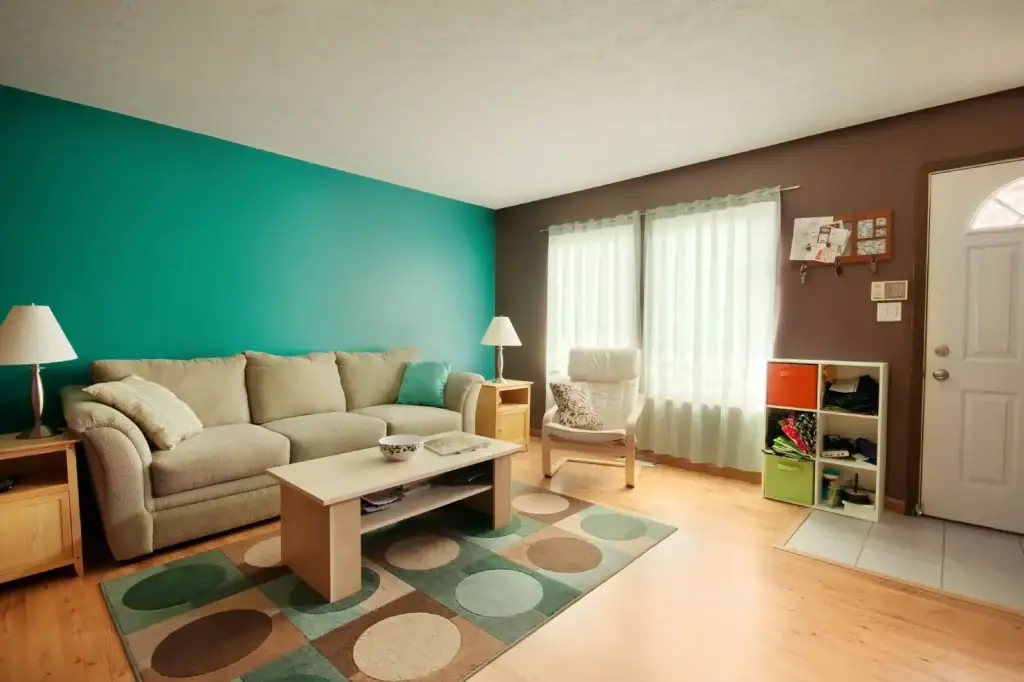
Winter in Winnipeg often pushes home projects indoors.
Once the snow arrives and the days get colder, exterior upgrades usually have to wait. Deck work, siding touch-ups, exterior painting, and outdoor repairs become harder to plan. But that does not mean every home improvement project needs to stop.
In fact, winter can be one of the smartest times to update the inside of your home.
For many homeowners, winter house painting in Winnipeg is a practical way to refresh rooms while outdoor projects are on hold. Interior painting can brighten dark spaces, make rooms feel cleaner, and help your home feel more comfortable during the months when you spend the most time inside.
It is also a good time to deal with walls that have taken a beating throughout the year.
Scuffs in hallways, faded living room walls, chipped trim, marked-up bedrooms, and tired kitchen colors become more noticeable when everyone is indoors more often. A fresh coat of paint can make those spaces feel cared for again without needing a major renovation.
Winter may seem like an unusual time to paint, but for interiors, it can work very well when the project is planned properly.
Winter Is Ideal for Indoor Home Projects
Winnipeg winters naturally shift attention indoors.
People spend more time in living rooms, bedrooms, kitchens, basements, and home offices. That extra time indoors can make outdated colors and worn walls harder to ignore.
During summer, it is easy to focus on patios, gardens, fences, and exterior maintenance. Interior painting often gets pushed aside because weekends fill up quickly.
Winter gives homeowners a chance to focus on the rooms they use every day.
A freshly painted interior can change the feel of the home during the coldest part of the year. Warmer neutrals can make a room feel softer. Bright whites can help reflect limited daylight. Deeper accent colors can make certain areas feel cozy and finished.
This is one reason winter house painting in Winnipeg makes sense.
Instead of waiting until spring, you can improve the rooms you use now.
Easier Scheduling During the Off-Season
Spring and summer are busy seasons for many painting projects.
Homeowners often book exterior painting, fence staining, deck staining, stucco work, and other outdoor jobs during warmer months. That can make scheduling more competitive.
Winter is different.
Because exterior painting is weather-dependent, interior painting is often easier to arrange. This can give homeowners more flexibility when choosing project dates.
That flexibility can be helpful if you want to paint before hosting guests, listing a home, setting up a nursery, or finishing a basement room.
It can also be useful for families with busy schedules.
A winter project can be planned around work routines, school schedules, holidays, or quieter weeks at home. Instead of trying to squeeze painting into the warm months, you can use winter as a practical window for interior improvements.
Interior Paint Can Dry Well in Winter
Many people assume paint only dries well in warm weather.
That is true for many exterior projects, but interior painting is different. Since the work happens inside a heated home, the temperature can usually be controlled.
Most Winnipeg homes are heated throughout winter, which helps create a steady indoor environment for paint application. When rooms are kept within the right temperature range, interior paint can dry and cure properly.
Winter air can also be quite dry.
That dryness may help paint dry more predictably, depending on the room, ventilation, and product used. The key is making sure the air is not too dry, too cold, or poorly circulated.
Professional painters understand how to manage these conditions.
They can help with proper ventilation, room temperature, drying time, and product selection. This allows interior painting to move forward even when it is freezing outside.
Less Humidity Can Help the Process
Humidity plays an important role in painting.
When indoor humidity is too high, paint may take longer to dry. It may also feel tacky for longer than expected. This can slow down the project and affect the finish.
Winter air in Winnipeg is often drier than summer air.
Inside a heated home, that lower humidity can sometimes support better drying conditions for interior paint. This is especially helpful in rooms that need multiple coats.
Of course, balance matters.
If the air is extremely dry, paint may dry too fast on the surface. That can make the application more difficult in some situations. Good painters pay attention to the room environment and adjust their approach when needed.
Still, winter’s lower humidity is one reason many interior painting projects can be completed successfully during colder months.
A Fresh Interior Can Make Winter Feel Better
Winnipeg winters can feel long.
Shorter days, colder temperatures, and more time indoors can make a home feel darker or heavier. Interior paint has a big effect on how a room feels during this season.
A fresh wall color can make a space feel brighter.
This is especially true in rooms with limited natural light. Soft whites, warm creams, light greys, muted greens, and gentle beige tones can help reflect light and open up a room.
Paint can also make a room feel warmer.
Earthy colors, soft neutrals, and rich accent shades can make bedrooms, dens, and living rooms feel more inviting.
This does not mean every room needs a dramatic color change.
Sometimes, repainting the same color is enough. Clean walls, crisp trim, and fresh ceilings can make the home feel renewed without changing the overall style.
For homeowners who feel stuck indoors during winter, painting can be a simple way to make the home more enjoyable.
Winter Painting Helps Prepare for Spring
Spring often comes with a long to-do list.
Once the snow starts melting, homeowners begin thinking about yards, driveways, exterior repairs, window cleaning, landscaping, and outdoor maintenance.
By handling interior painting in winter, you can free up spring for exterior work.
This is a smart way to spread out home projects instead of stacking everything into the warmer months. It also means your interior spaces are already refreshed when spring arrives.
This can be especially useful if you are planning to sell your home.
Fresh interior paint can help rooms photograph better, look cleaner during showings, and feel more move-in ready. Painting in winter gives you time to prepare before the busy spring real estate season.
Even if you are not selling, winter painting helps you get ahead.
You can enjoy the finished rooms now and focus on outdoor projects later.
Great Time to Paint High-Use Rooms
Some rooms work harder during winter.
Living rooms become gathering spaces. Kitchens get more daily use. Bedrooms feel more important when evenings are longer. Basements may become play areas, workout spaces, offices, or family rooms.
These high-use rooms often benefit most from fresh paint.
Walls can collect scuffs, fingerprints, marks, and dents over time. Trim can look chipped. Doors can show wear around handles. Hallways can become dull from daily traffic.
A winter interior painting project can refresh these spaces when they matter most.
Common winter painting projects include living rooms, bedrooms, hallways, staircases, kitchens, dining rooms, home offices, basements, and bathrooms.
Each room has different needs.
A bathroom may need paint that handles moisture better. A hallway may need a more washable finish. A bedroom may benefit from a softer, calmer color. A kitchen may need paint that withstands cleaning.
Choosing the right paint for each room helps the results last longer.
Winter Is a Smart Time for Color Changes
Changing wall color can feel like a big decision.
Winter gives homeowners more time to think about how a room looks throughout the day. You can see how colors respond to weaker daylight, evening lamps, and overhead lighting.
This is important because paint color can shift depending on the light.
A color that looks soft in summer sunlight may feel cooler in winter. A grey may look blue in a north-facing room. A beige may look yellow under certain bulbs.
Testing paint samples in winter can be helpful because you see the color under the lighting you live with during the darkest months.
For Winnipeg homes, this matters.
Winter light can be cool and limited, so choosing colors that still feel warm and balanced indoors can make a big difference.
Soft warm whites, creamy neutrals, greige, taupe, muted sage, and warm grey can all work well in many interiors. Deeper shades can be used carefully on accent walls, offices, dining rooms, or bedrooms.
The best color is one that works with your flooring, trim, furniture, cabinets, and natural light.
Paint Can Improve the Look of Older Homes
Many Winnipeg homes have strong character but need interior updates.
Older homes may have plaster walls, dated colors, worn trim, patched areas, or layers of previous paint. Newer homes may have builder-grade colors that feel flat or too plain.
Interior painting can help both.
In older homes, fresh paint can highlight trim, brighten rooms, and make the space feel cleaner without removing its character. In newer homes, paint can add warmth, personality, and a more finished look.
Paint is also one of the most flexible upgrades.
You do not have to change flooring, cabinets, or furniture to make a room feel different. A new wall color can shift the entire mood of a space.
For homeowners who want improvement without a large renovation, winter painting is a strong option.
Proper Prep Is Still Important in Winter
A good paint job always starts with preparation.
Winter does not change that.
Walls should be cleaned where needed. Holes, dents, and cracks should be repaired. Glossy surfaces may need sanding. Trim should be caulked where gaps are visible. Floors and furniture should be protected.
Prep work matters because paint cannot hide every problem.
Fresh paint can make a wall look better, but it can also draw attention to bumps, cracks, or uneven patches if they are not handled first.
This is especially true in winter.
Low-angle daylight and artificial lighting can make wall imperfections more visible. Smooth prep helps create a better final look.
Professional painters take time to protect the home, prepare surfaces, and apply paint evenly. That care is one reason the final result feels cleaner and lasts longer.
Ventilation Can Be Managed Safely
Ventilation is one concern homeowners often have about winter painting.
In summer, opening windows is easy. In winter, nobody wants cold air pouring through the house all day.
The good news is that ventilation can usually be managed without making the home uncomfortable.
Interior painting can be planned room by room. Windows may be opened briefly when needed. Fans can help move air. Low-odor paint products can also make the process more comfortable.
The right approach depends on the home, room size, paint type, and temperature outside.
A painter can help decide how much ventilation is needed and how to keep air moving while still maintaining warmth inside the home.
This makes winter house painting in Winnipeg practical for many families, even during colder weather.
Winter Painting Can Reduce Home Disruption Later
Painting always creates some disruption.
Furniture may need to be moved. Rooms may be unavailable for a short time. Walls need drying time. Trim and doors may need careful handling after painting.
Doing this in winter can reduce disruption during busier seasons.
By spring and summer, many families want to travel, spend time outside, host gatherings, or focus on outdoor projects. Interior painting can feel inconvenient during those months.
Winter often fits better.
Since more time is spent indoors anyway, it can be easier to plan one room at a time. A bedroom can be painted before new furniture arrives. A living room can be refreshed before hosting. A basement can be completed before becoming a more active space in the spring.
Planning the project in stages can make the process feel manageable.
Best Interior Areas to Paint in Winter
Some interior areas are especially good choices for winter painting.
Living rooms are a strong starting point because they are often used and have a big effect on the feel of the home. A fresh color can make the main gathering space feel brighter and more comfortable.
Bedrooms are another good option.
Winter is a good time to create a calmer sleeping space with softer colors. Muted tones can help the room feel more settled and restful.
Hallways and staircases also benefit from paint.
These areas often collect marks from bags, coats, hands, shoes, and daily traffic. Fresh paint can make the whole home feel cleaner because hallways connect everything.
Basements are common winter projects, too.
Many basements have limited natural light, so the right paint color can make them feel less dark. Light walls, fresh trim, and a clean ceiling color can significantly improve the space.
Kitchens and dining rooms can also be painted in winter, especially if the walls look marked or dated.
How to Choose Paint Finishes for Winter Projects
Paint finish matters just as much as color.
Different rooms need different levels of durability and washability.
Flat or matte finishes can look smooth on walls, but they may not be the best choice for busy areas. Eggshell is a popular option for living rooms, bedrooms, and hallways because it offers a soft look with better cleanability.
Satin finishes can work well in higher-use areas where walls need more wiping.
Semi-gloss is often used for trim, doors, and baseboards because it is more durable and easier to clean.
Bathrooms, kitchens, and laundry rooms may need finishes that better handle moisture and cleaning.
Choosing the right finish helps the paint last and makes maintenance easier.
This is especially important during winter, when people spend more time indoors, and walls may see more contact from coats, boots, pets, and daily routines.
Why Hiring a Professional Can Help
Interior painting can look simple at first.
But clean lines, smooth walls, proper coverage, and neat trim work take skill. This is especially true in homes with high ceilings, staircases, damaged drywall, older trim, or strong color changes.
Professional interior painting can help with prep, paint selection, color planning, protection, and application.
They can also work more efficiently, which helps reduce disruption in the home.
For winter painting, professional experience is especially useful because indoor conditions matter. Temperature, humidity, ventilation, drying time, and product choice can all affect the final result.
A professional can help ensure the room is ready, the paint is applied correctly, and the finish has the best chance of holding up.
For homeowners who want a polished result without the stress of doing it themselves, hiring a painter can be worth it.
Simple Ways to Prepare Your Home for Winter Painting
A little preparation can make a winter painting project go more smoothly.
Start by deciding which rooms matter most. You do not have to paint the whole home at once. Prioritize rooms that feel dark, worn, outdated, or heavily used.
Move small items before the painter arrives.
Lamps, picture frames, plants, books, and decor can be cleared from the room. Larger furniture can often be moved to the center and covered.
Take down wall art and curtains if needed.
It also helps to think about pets and children. Painting areas should be kept clear so the work can be completed safely and cleanly.
Before choosing a color, look at samples in the actual room.
Check them in morning, afternoon, and evening light. This helps prevent surprises once the full wall is painted.
When Winter Painting May Not Be Ideal
Winter interior painting works well in many homes, but there are times when it may need extra planning.
If a room is very cold, poorly heated, or drafty, it may not be ready for painting. Paint needs the right temperature range to apply and dry properly.
If there are moisture problems, those should be addressed first.
Bathrooms with poor ventilation, damp basement walls, or areas near leaking windows may need repairs before painting. Paint should not be used to cover an active moisture issue.
If the walls are badly damaged, the project may also take longer.
Large cracks, water stains, peeling paint, or damaged drywall may need repair and priming before finish coats are applied.
Winter can still be a good time for the project, but the room’s condition should guide the plan.
Final Thoughts on Winter House Painting in Winnipeg
Winter does not have to pause your home improvement plans.
For interiors, it can be one of the best times to paint. Scheduling may be easier, indoor conditions can be controlled, humidity is often lower, and you get to enjoy the results during the season when you spend the most time inside.
Winter house painting in Winnipeg can refresh tired rooms, brighten dark spaces, and help your home feel more comfortable through the colder months.
It can also help you prepare for spring by finishing interior work before outdoor projects begin.
The key is to choose the right rooms, use the right products, prepare the surfaces well, and manage ventilation properly. With the right approach, winter interior painting can be practical, efficient, and well worth the investment.
For Winnipeg homeowners looking for a smart seasonal project, fresh interior paint is a strong choice.
FAQs
Is winter a good time for interior painting in Winnipeg?
Yes, winter can be a great time for interior painting in Winnipeg because the work happens inside a heated home. Scheduling may also be easier during the colder months, and lower humidity can help paint dry well when conditions are managed properly.
Does paint dry properly in winter?
Interior paint can dry properly in winter if the room is kept at the right temperature and has suitable airflow. The main factor is the indoor environment, not the outdoor temperature.
Can I paint my whole house interior during winter?
Yes, a full interior repaint can be done in winter. Many homeowners choose to complete the work room by room to reduce disruption and keep parts of the home usable during the project.
Will winter painting make my house smell like paint?
Modern interior paints are available in low-odor options, which can make the project more comfortable. Ventilation can also be managed with fans and short periods of fresh air when needed.
What rooms are best to paint in winter?
Living rooms, bedrooms, hallways, staircases, basements, kitchens, and home offices are all good choices for winter painting. The best place to start is usually the room that feels most worn, dark, or outdated.

Tyler is a highly motivated and hardworking individual with an entrepreneurial mindset and a genuine passion for people. He is currently pursuing a Bachelor of Commerce (Honours) degree, majoring in Marketing and Small Business/Entrepreneurship.
As the owner of Lakeside Painters, a Winnipeg-based painting company serving Winnipeg and surrounding cottage country regions, Tyler has gained hands-on experience in business ownership, customer service, sales, and project management. Lakeside Painters specializes in high-quality residential and commercial painting services, including interior painting, exterior painting, wood staining, and stucco coating, with a strong focus on professionalism, attention to detail, and customer satisfaction.
With an energetic and optimistic attitude, Tyler thrives in team environments and is willing to take on challenges in fast-paced, high-pressure settings. He brings strong problem-solving abilities, excellent communication skills, and a natural ability to connect with and understand others—skills he has developed through previous sales roles and his experience building Lakeside Painters.