
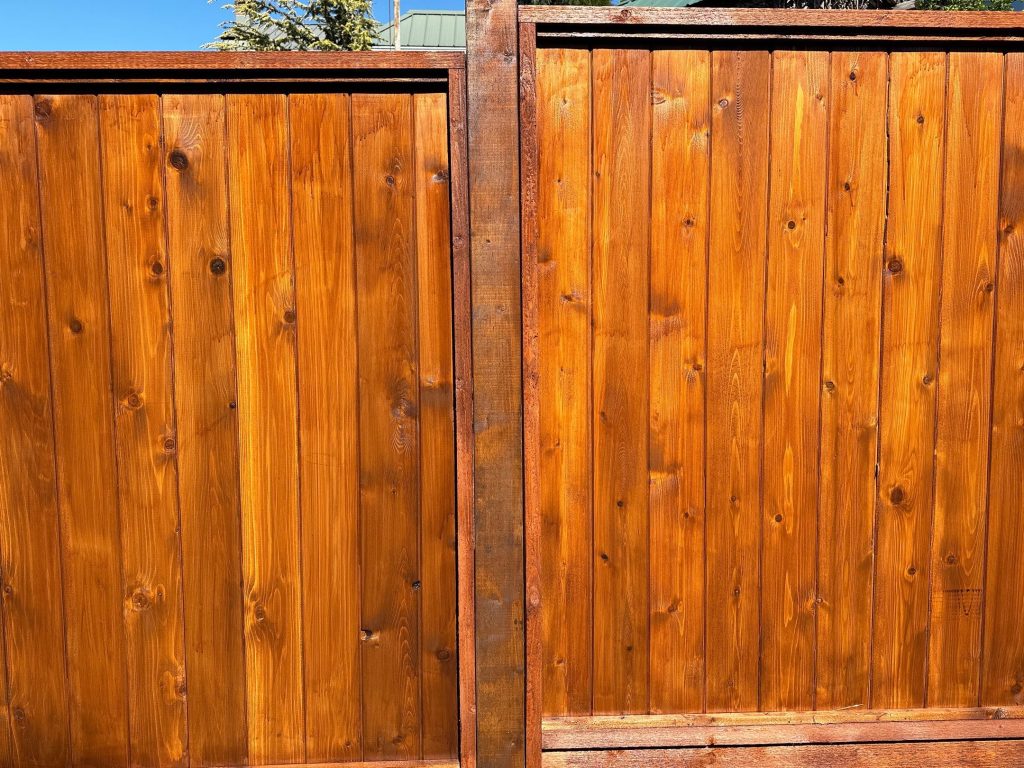
A fence does a lot more than mark the edge of a yard.
It shapes curb appeal, frames the outdoor space, adds privacy, and helps the property look more finished. But in Winnipeg, fences also deal with a lot of stress throughout the year. Long winters, moisture, temperature swings, sun exposure, and general wear can all take a visible toll on painted wood.
That is why fence painting takes more than a quick coat and good intentions.
Homeowners often focus on color first, but the real difference usually comes from timing, preparation, and understanding the condition of the wood before painting starts. A fence painted too soon, painted over dirt, or coated without sufficient surface prep may not hold up the way homeowners expect.
These fence painting tips for Winnipeg are designed to help homeowners make smarter decisions before starting. Whether the goal is to refresh an aging backyard fence, improve the look of a front-facing boundary, or protect a newly installed surface, the right approach can make the project look cleaner and last longer.
This guide walks through what to inspect, how to prepare, when to paint, and what homeowners should keep in mind before taking on a fence project in Winnipeg.
Start by Checking the Condition of the Fence
Before choosing paint, take time to inspect the fence itself.
A lot of painting problems begin with a surface that was not ready in the first place. A fence may look like it only needs a color refresh, but once you look more closely, the real issue may be damaged wood, moisture wear, old coating failure, or loose boards.
Walk the full length of the fence and look for:
- peeling or flaking paint
- cracked or split boards
- soft or weathered wood
- exposed bare areas
- mildew or staining
- loose nails or screws
- warping
- ground-level moisture wear
- rough or splintering sections
Pay extra attention to the lower parts of the fence, gate posts, and any areas that stay shaded or damp longer than the rest.
In Winnipeg, fences often come through winter with more wear than homeowners first realize. Snow buildup, ice contact, and trapped moisture can create surface issues that are easy to miss until spring or early summer.
Clean the Fence Before You Decide Anything Else
One of the most useful fence painting tips for Winnipeg homeowners is also one of the simplest.
Clean the fence first.
Dirt, dust, cobwebs, surface mildew, and general outdoor buildup can hide the true condition of the wood. A fence may look badly worn when it is mostly dirty, or it may seem fine until cleaning reveals peeling paint, soft spots, and rough grain underneath.
A proper wash helps with two things.
First, it gives you a more accurate picture of what kind of prep is needed.
Second, it creates a better surface for the next steps.
Skipping this stage often leads to paint being applied over contamination, which can affect how well the finish bonds and how clean it looks once dry.
Do Not Paint Over Failing Coatings
If old paint is peeling, cracking, or lifting, that problem needs attention before a new coat goes on.
New paint does not fix unstable old paint. It only covers it for a while. Once the weak layer beneath continues to fail, the new finish can start to lift as well.
That is why surface stability matters so much.
Look for:
- edges where old paint is curling up
- blistered areas
- spots where multiple layers are separating
- boards with uneven buildup from past repainting
- places where bare wood and old paint meet in rough transitions
These sections usually need scraping, sanding, and proper prep before they are ready for repainting.
Without that work, even a fresh-looking fence may begin to break down sooner than expected.
Let the Wood Dry Properly
This is especially important in Winnipeg.
A fence may look dry on the surface while still holding moisture inside the wood, particularly after snowmelt, spring rain, or a recent cleaning. Painting too early can trap moisture beneath the coating, leading to poor adhesion, bubbling, or early paint failure.
This is one of the most overlooked fence painting tips for Winnipeg homeowners.
Patience matters.
It is better to wait for the wood to dry properly than to rush into painting because the weather looks good for a day or two. Fences near the ground, close to dense landscaping, or in heavily shaded areas often take longer to dry than expected.
Repair Small Issues Before They Spread
Painting is not a substitute for repair.
If the fence has minor structural or surface issues, it is worth addressing them before moving forward. Paint can improve a fence’s appearance, but it cannot fix loose boards, split wood, failed fasteners, or recurring moisture problems.
Common pre-paint fixes may include:
- replacing damaged boards
- tightening loose hardware
- resetting unstable fasteners
- smoothing rough edges
- addressing worn sections near the bottom of the fence
- checking gate movement and alignment
These repairs improve the paint job and make the fence function better.
That combination matters if the goal is to improve the overall condition of the outdoor space rather than just change the color.
Sand Rough Areas for a Cleaner Finish
A smoother surface usually leads to a better-looking result.
That does not mean every board needs to look perfect. Fences are outdoor structures, and some texture is natural. But rough transitions, splintering edges, peeling zones, and uneven old paint can all stand out badly once a fresh coat goes on.
Sanding helps by:
- smoothing scraped sections
- reducing rough edges
- blending transitions between bare wood and old coating
- improving the feel of the surface
- helping the finish look more even
This is one of those steps that many homeowners want to shorten, but it often affects the final look more than expected.
Pay Attention to Winnipeg Weather Timing
Timing matters in almost every exterior painting project, and fences are no exception.
A fence sits fully exposed to outdoor conditions. That means temperature shifts, direct sun, recent rain, overnight moisture, and changing seasonal conditions can all affect how well the work goes.
For Winnipeg homeowners, the best time to paint windows is when the weather has settled enough for surfaces to stay dry and conditions remain more stable.
That means avoiding times when:
- The wood is still damp from recent weather
- rain is expected too soon
- overnight conditions are not ideal for proper drying
- surfaces are heating up too aggressively in direct sun
- spring moisture is still lingering in shaded sections
Good timing does not guarantee a good result on its own, but poor timing can create problems even if the prep was done well.
Think About Sun Exposure and Shade
Not all parts of a fence wear the same way.
One section may face more sun and appear dry or faded. Another may stay shaded and show more mildew, dampness, or slower drying after rain. Some panels may back onto open yard space while others sit close to shrubs or trees.
These differences matter.
A fence should not be treated as though every section is aging the same way. The side facing the alley, the backyard, or a neighboring lot may all show different levels of wear.
When inspecting the fence before painting, notice:
- where the surface gets the most direct sun
- which areas stay damp longer
- where plant growth is closest
- which sections show fading first
- where the paint has failed in the past
This helps homeowners understand why some parts of the fence need more prep or more attention than others.
Choose Color With Maintenance in Mind
Color matters, but not only for style.
Some fence colors create contrast with the house, while others blend into the yard, keeping the outdoor space feeling softer and more natural. Either approach can work well, but homeowners should also think about maintenance and how the fence will look over time.
A fence is exposed to dust, splashing dirt, weather wear, and general outdoor use. Some colors make fading, dirt, or touch-up differences more noticeable.
That does not mean there is one best color for every home.
It simply means that fence painting should balance appearance with practicality.
Protect Nearby Areas Before Painting Starts
Fences often sit close to areas homeowners do not want painted.
That might include:
- grass
- garden beds
- paving stones
- patios
- deck edges
- outdoor furniture
- gates and hardware
- nearby siding or trim
Protecting the surrounding area helps the project look more professional and keeps cleanup simpler. It also helps homeowners move through the work more confidently, without worrying about every brush stroke or splash.
This is one reason fence painting often feels bigger than expected. The fence itself may seem straightforward, but the surrounding space usually needs planning too.
Do Not Forget the Gate and Trim Details
The gate is often one of the most used parts of the fence.
It is also one of the most visible. A freshly painted fence can still look unfinished if the gate is worn, patchy, or visibly different in color and coverage.
Check the gate for:
- rubbing points
- loose hinges
- chipped edges
- worn top rails
- cracked joints
- hardware areas where old paint has built up badly
Small details like this can shape the finished look of the whole fence line.
Understand the Difference Between Refreshing and Restoring
Not every fence needs the same level of work.
Some fences are basically sound and only need cleaning, light prep, and a new coat to look fresh again. Others need a more serious reset because years of wear, repeated coating failures, and surface damage have accumulated.
That is why homeowners should be realistic about the fence’s condition before starting.
Ask yourself:
- Is this fence still structurally sound?
- Are most boards stable?
- Is the old paint mostly intact or mostly failing?
- Will the new paint improve the fence meaningfully, or is the surface too far gone?
These questions help determine whether the project is a simple refresh or a more involved restoration effort.
New Fences Also Need a Smart Plan
A fence does not have to be old to need careful planning.
New wood fences can raise questions for homeowners, especially about timing and readiness. Just because the fence is newly installed does not automatically mean it is ready to be painted right away.
The surface still needs to be evaluated properly.
A new fence may need time and the right conditions before coating begins. Homeowners who rush that decision may not get the long-term result they were hoping for.
Keep the Full Yard in Mind
Fence painting changes more than the fence itself.
It affects how the whole outdoor space feels. A refreshed fence can make the yard look cleaner, frame the landscaping better, and make other features like patios, gardens, and decks stand out more clearly.
That is why it helps to think of the fence as part of the overall appearance of the property.
A strong result should work with the home, not compete with it. The fence color, finish, and overall condition all contribute to how finished and cared for the outdoor space feels.
Why Prep Matters More Than Speed
Many homeowners want the job done quickly, especially once warm weather arrives.
That is understandable. But with exterior wood surfaces, speed rarely creates the best outcome. Prep usually matters more than pace.
The strongest fence painting results often come from:
- accurate inspection
- proper cleaning
- enough drying time
- careful scraping and sanding
- small repairs handled early
- thoughtful timing
- steady application
These steps may not be the most exciting part of the project, but they often make the biggest difference in how the fence looks and how long the finish holds.
When It Makes Sense to Call Lakeside Painters
Some fence projects are simple.
Others show more wear once the inspection begins. If the fence has heavy paint failure, rough wood, surface wear across multiple sections, or surrounding exterior features that also need attention, it may help to have a clearer plan in place before moving forward.
Lakeside Painters offers exterior painting as one of its main services, along with wood staining and stucco coating. For homeowners already updating outdoor surfaces, that can be useful when the fence is only one part of a larger exterior refresh.
A fence does not need to be treated as a separate afterthought. It can be part of a broader plan to improve the property’s appearance and performance outdoors.
A fence can either blend into the background or quietly enhance the yard’s overall look.
The difference usually comes down to condition, timing, and preparation. These fence painting tips for Winnipeg are meant to make the project easier, not more complicated. They are about helping homeowners avoid common mistakes and get a cleaner, longer-lasting result.
Before painting starts, inspect the wood carefully.
Clean the surface.
Look for failing paint.
Let the fence dry properly.
Handle repairs.
Smooth rough areas.
Watch the weather.
Think about the full yard.
That kind of step-by-step approach gives the fence a better chance of looking good and holding up in Winnipeg’s changing conditions.
FAQs
1. When is the best time to paint a fence in Winnipeg?
The best time is usually when the weather is more stable, and the wood is fully dry. Avoid painting too soon after snowmelt, rain, or cleaning.
2. Should I clean my fence before painting it?
Yes. Cleaning removes dirt, mildew, and surface buildup that can hide problems and interfere with how well the paint bonds.
3. Can I paint over old peeling fence paint?
No. Peeling or failing paint should be scraped and properly prepared before painting. New paint applied over unstable old paint usually does not last well.
4. Why does my fence paint fail so quickly?
Common reasons include painting damp wood, skipping prep, coating over dirt or failing paint, and starting the project in poor weather conditions.
5. Does Lakeside Painters handle exterior wood surfaces?
Yes. Lakeside Painters offers exterior painting and wood staining to help homeowners improve outdoor wood features as part of a larger exterior project.