
Older Winnipeg homes have a charm that newer builds often try to copy.
Original trim, sturdy wood doors, plaster walls, tall baseboards, built-ins, and older exterior details can give a home real character. But when it is time to repaint those surfaces, age can also bring a few extra concerns.
One of the biggest concerns is lead paint.
Lead paint is not always obvious. It may be hidden under newer layers of paint. A wall, door frame, window sash, porch railing, or baseboard can look fairly normal on the surface, while older coatings lie beneath.
That is why repainting an older home should not start with scraping, sanding, or peeling loose paint right away.
For homeowners seeking lead paint removal in Winnipeg, the most important first step is understanding when lead paint may be present, why it matters, and how to repaint safely.
This guide explains what Winnipeg homeowners should know before repainting an older home.
Why Lead Paint Matters Before Repainting
Lead paint becomes a greater concern when disturbed.
Paint that is sealed, stable, and not chipping may not create the same immediate concern as paint that is flaking, peeling, or being sanded. The risk rises when old paint turns into dust or small chips that can be inhaled or swallowed.
This matters because repainting often involves surface preparation.
A good paint job usually needs washing, patching, scraping, sanding, priming, and coating. Those normal steps can be unsafe if lead paint is present and the work is not handled correctly.
In older Winnipeg homes, lead paint may be found on:
Window frames and sashes
Door frames
Baseboards and trim
Stair railings
Painted floors
Porches
Exterior siding
Garage trim
Older built-ins
Plaster walls with many layers of paint
High-friction areas are especially important. Windows, doors, stairs, and railings are often touched, rubbed, opened, closed, and bumped. That movement can cause old coatings to wear down faster.
If paint is already cracking, chalking, flaking, or peeling, it should be treated carefully before anyone begins repainting.
Winnipeg Homes and Lead Paint Risk
Many Winnipeg neighborhoods have homes built long before modern paint standards.
That does not mean every older home has lead paint. It also does not mean every painted surface in an older home is dangerous. However, age is a useful warning sign.
Homes built before 1990 may contain lead in some painted surfaces, with older homes carrying a greater risk.
This is why homeowners should be cautious with repainting projects in older Winnipeg properties.
A home may have had several repaints over the years. New paint can cover old paint without removing it. That means a clean-looking surface today may still have older layers below.
This is common in older interiors where trim has been painted many times. A baseboard may have modern paint on top, but older coatings underneath. The same can happen with windows, doors, stair parts, and exterior details.
Before repainting, the question is not only, “What color should we choose?”
It is also, “What are we painting over?”
Common Signs That Lead Paint May Be Present
You cannot confirm lead paint by sight alone.
Still, certain clues can tell you when to pause and test before moving forward.
One warning sign is the home’s age. If the property was built before 1990, especially much earlier, lead paint may be present.
Another sign is thick paint build-up. Older trim with rounded edges, softened details, or multiple visible paint layers may have been repainted several times.
You should also watch for failing paint. Peeling, cracking, flaking, bubbling, and chalky residue can all be warning signs that a surface needs careful review before repainting.
Windows deserve extra attention. Older painted windows can produce dust from repeated opening and closing. Paint can also break down where moisture collects.
Exterior surfaces can also be a concern. Porch floors, railings, siding, trim, and painted stairs are exposed to weather, sun, snow, and moisture. When old exterior paint breaks down, chips can fall into the soil or collect around entry areas.
Lead paint concerns are not limited to walls. In many older homes, the most important surfaces are the ones people touch often.
Why You Should Not Sand or Scrape First
Many homeowners are used to preparing paint by scraping loose edges and sanding rough spots.
That can be a problem in an older home.
Sanding or scraping old paint can create airborne dust. If that paint contains lead, the dust can spread beyond the work area and settle on floors, furniture, clothing, tools, vents, and nearby rooms.
Even small amounts of lead dust can be dangerous for infants and children.
Dry sanding, aggressive scraping, power sanding, heat guns used at unsafe temperatures, and uncontrolled demolition can all increase the risk.
This is one reason lead paint removal Winnipeg should not be treated as a normal paint-prep task. It requires a safer plan before the surface is disturbed.
A rushed repaint can make a home look better while creating hidden dust problems. The goal should be a clean finish and a safer process.
Testing Comes Before Painting
Testing is the best way to know what you are dealing with.
A lead test can help identify whether old coatings contain lead before repainting starts. This is especially important if the work involves scraping, sanding, window repairs, trim repairs, exterior paint removal, or any project that exposes old layers.
Testing can be useful in several situations:
You are repainting a home built before 1990
Paint is peeling or flaking
Children live in or visit the home
You are repainting a nursery, bedroom, hallway, or play area
You plan to repaint old trim, doors, or windows
You are working on an older porch, railing, or exterior surface
You are planning repairs before painting
A surface may not need full removal in every situation. Sometimes the safest option is to manage the surface, seal it properly, and repaint with the right prep. Other times, removal or specialized handling may be needed.
The right approach depends on the condition of the paint, where it is located, who uses the space, and how much disturbance the surface needs.
Lead Paint Removal vs. Painting Over Lead Paint
Homeowners often ask whether lead paint must always be removed before repainting.
The answer depends on the surface.
If the old paint is intact, firmly bonded, and not in a high-risk condition, it may be possible to repaint using a safe process that does not disturb the underlying coating. The focus is on keeping dust controlled and creating a stable painted surface.
If the paint is peeling, flaking, cracking, or located where children may touch or chew it, the concern is greater.
If the surface needs heavy sanding, stripping, or repair, lead-safe procedures become much more important.
Lead paint removal in Winnipeg is not always about stripping every old surface down to bare material. In many homes, the better question is: what is the safest way to prepare this specific surface for repainting?
Sometimes that may involve repair and encapsulation. Sometimes it may involve removal by trained professionals. Sometimes replacing certain components, such as failing trim or windows, may be part of the plan.
The wrong choice can create more dust than the original problem.
Interior Repainting in Older Winnipeg Homes
Interior repainting can involve many surfaces that may contain old coatings.
Walls are often the first thing homeowners think about, but trim and windows can be more important from a lead risk perspective.
Older baseboards, casings, window frames, stair railings, and doors often have many layers of paint. These areas may have been repainted repeatedly over the course of decades.
For interior repainting, the safest plan starts with inspection.
Are the painted surfaces smooth and stable?
Is there peeling around the windows?
Is paint cracking along trim edges?
Are there chips on the floor near the baseboards?
Does the home have old painted stairs or railings?
Will the work involve sanding or scraping?
A simple repaint over stable surfaces is very different from repairing failing paint.
If lead paint is suspected, the work area should be controlled to prevent exposure. Dust should not be allowed to move through the home. Furniture, flooring, vents, and nearby surfaces need protection. Cleanup should be handled carefully, because ordinary sweeping can push fine dust into the air.
For families living in the home during repainting, planning becomes even more important. Rooms may need to be kept off-limits during prep and cleanup.
Exterior Repainting and Lead Paint
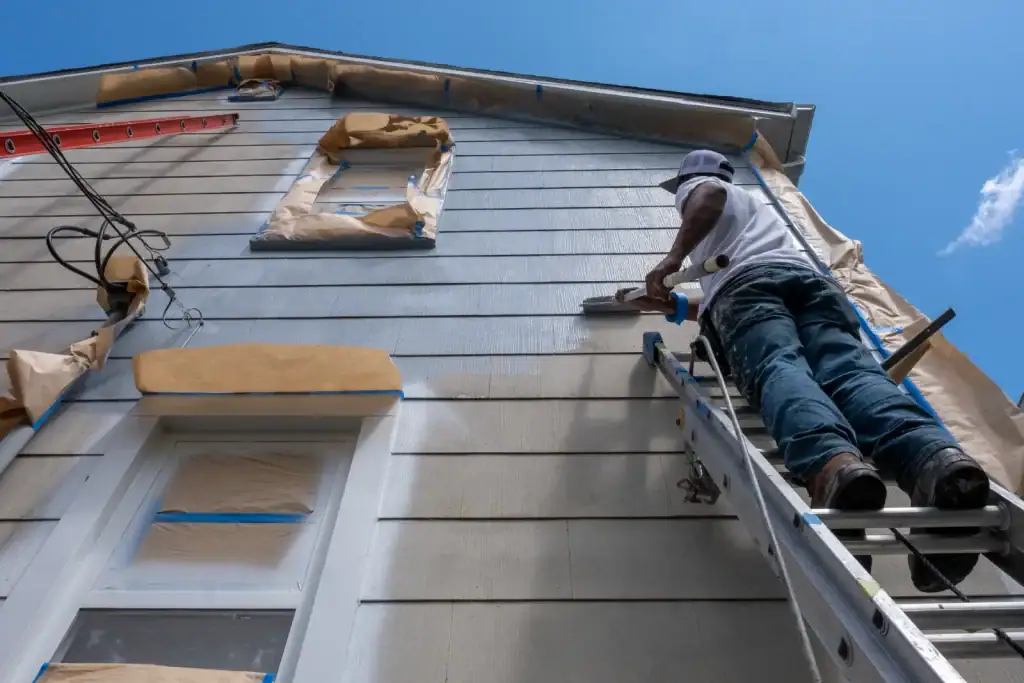
Exterior repainting can also disturb lead paint.
Older Winnipeg homes may have painted siding, window trim, fascia, soffits, porches, stairs, railings, garage doors, or decorative details with old coatings underneath.
Weather can cause exterior paint to fail in different ways. Freeze-thaw cycles, summer sun, snow, rain, and moisture can all loosen paint.
If exterior paint contains lead, scraping and sanding can release chips and dust around the property. That material can settle near gardens, walkways, soil, decks, and entrances.
This is why exterior paint prep should be planned carefully.
Containment matters outside, too. Drop sheets, controlled work zones, careful cleanup, and safe disposal are all part of reducing risk.
Exterior projects can look less contained than interior work because they happen in the open air, but that does not mean the dust disappears. Paint debris can land on the ground, blow around, or be tracked indoors.
If an older exterior surface needs major prep, it is worth pausing before work begins.
Why Lead Paint Is a Bigger Concern for Children
Lead exposure is a concern for everyone, but young children face a greater risk.
Children are more likely to touch floors, windowsills, and lower trim. They also put their hands and objects in their mouths more often. If lead dust settles on surfaces, it can be swallowed without anyone noticing.
This is why repainting a child’s bedroom, playroom, hallway, stairwell, or main living area in an older home should be approached carefully.
The room does not need to look dangerous to create risk. Fine dust can be hard to see.
A fresh coat of paint should not come at the cost of unsafe prep.
What Safe Preparation Usually Involves
Safe preparation starts with knowing the surface.
Before repainting, the painter should consider the age of the home, the condition of the coating, the surface location, and whether the prep work will disturb old paint.
When lead paint may be present, safer preparation may include:
Testing before work begins
Avoiding dry sanding or uncontrolled scraping
Containing the work area
Protecting floors, furniture, soil, and nearby surfaces
Keeping dust from moving through vents or doorways
Using methods that reduce dust
Cleaning the area carefully after prep
Choosing the right primer and coating system
The exact process depends on the project.
A stable bedroom wall may need a different plan than a peeling exterior porch railing. A painted window sash may need different handling than a large plaster wall. A high-traffic stair rail may need more care than a ceiling that has not been disturbed in years.
Good repainting is never only about color. It is about surface condition, prep quality, and safety.
When to Call Lakeside Painters
If your Winnipeg home is older and you are unsure about the paint history, it is smart to get guidance before starting.
Lakeside Painters can assess the condition of painted surfaces and help homeowners understand what should be done before repainting. This is especially helpful when paint is peeling, cracking, flaking, or built up in thick layers.
Call Lakeside Painters before repainting if:
Your home was built before 1990
You see peeling or flaking paint
You are repainting old windows, doors, or trim
You are planning exterior paint prep
You have children in the home
You are unsure whether old paint may contain lead
You want the finished paint job to last without unsafe prep shortcuts
A careful review can help prevent the biggest mistake: disturbing old paint without knowing what is underneath.
For homeowners seeking lead paint removal in Winnipeg, the next step should not be grabbing a box of sandpaper. It should be getting the surface checked and choosing a safer repainting plan.
What Homeowners Should Avoid
There are a few things homeowners should avoid when lead paint is possible.
Do not dry sand unknown old paint.
Do not use a power sander on older painted surfaces without first checking for lead.
Do not scrape peeling paint indoors without containment.
Do not let paint chips fall onto floors, carpets, soil, or walkways.
Do not allow children or pets into a work area.
Do not use a household vacuum for lead dust.
Do not assume newer topcoats mean there is no lead underneath.
Do not start demolition near old painted surfaces without a plan.
These steps may sound simple, but they are often where problems begin.
Many homeowners start a small project thinking it will only take a weekend. Then the paint starts peeling in larger sheets, old layers appear, dust spreads, and the project becomes more difficult than expected.
A safer repaint begins with patience.
Repainting Without Losing the Character of an Older Home
One reason homeowners hesitate to deal with old painted surfaces is that they love the character of their home.
They want to preserve the trim, windows, railings, and details that make the house feel unique.
That is understandable.
Lead-safe planning does not mean stripping away all character. It means choosing the right method for each surface. In some cases, older details can be preserved and repainted safely. In other cases, repair or replacement may be the better path.
The goal is to protect the home’s appearance while reducing risk.
A rushed paint job can bury problems for a short time. A thoughtful repaint can improve the home’s appearance, protect surfaces, and help maintain the features that make older Winnipeg homes special.
How Lead Paint Affects Paint Quality
Lead paint concerns primarily focus on safety, but they can also affect paint performance.
If old paint is failing, a new coating alone will not fix the problem. Paint does not bond well to loose, dusty, chalky, or flaking surfaces.
That means repainting over failing paint can lead to early peeling.
The challenge is that normal prep methods may not be safe if lead is present. This is where experience matters.
The surface still needs to be made sound, but it must be done in a way that controls dust and debris.
Primer choice also matters. Older surfaces may have staining, uneven porosity, glossy coatings, or adhesion issues. The right primer helps the finish coat bond better and look more even.
A beautiful repaint depends on what happens before the topcoat.
A Practical Step-by-Step Plan Before Repainting
If you own an older Winnipeg home and are thinking about repainting, use this basic plan.
Start by identifying the home’s age. If it was built before 1990, treat lead paint as a possibility.
Next, walk through the areas you want painted. Look closely at trim, doors, windows, stairs, walls, ceilings, porches, and exterior details.
Check for peeling, flaking, cracking, chalking, bubbling, or thick paint layers.
Think about who uses the space. A child’s bedroom, play area, stairwell, or main hallway may need extra care.
Do not sand or scrape yet.
Arrange testing or get professional input if lead paint may be present.
Decide whether the surface can be safely prepared and repainted, or whether specialized lead paint removal services in Winnipeg are needed.
Plan containment, cleanup, priming, and repainting before work starts.
This order matters. Testing and planning come before prep.
Why Professional Painting Support Matters
Painting an older home is different from painting a newer one.
Older homes often have more layers, more repairs, more unknowns, and more delicate details. When lead paint is possible, those unknowns matter even more.
Lakeside Painters understands that homeowners want clean lines, lasting finishes, and safe preparation. The goal is not just to make the home look fresh. It is to approach the work in a way that respects the property’s age and the people living in it.
That means slowing down at the start, checking the surface, and choosing the right prep method.
For many homeowners, this brings peace of mind. Instead of guessing, sanding, and hoping for the best, they can move forward with a plan.
Lead paint should not stop you from improving your older Winnipeg home.
It should change how you prepare.
The biggest mistake is treating older paint like modern paint. Scraping, sanding, and rushing through prep can create dust that is much harder to control afterward.
If your home is older, the safest path is to inspect first, test when needed, and use the right preparation method for the surface.
Whether you are repainting interior trim, refreshing old walls, updating a porch, or preparing an exterior repaint, take lead paint seriously before work begins.
For homeowners seeking lead paint removal in Winnipeg, Lakeside Painters can help you plan the repainting process with care, from surface review to a cleaner, better-looking finish.
FAQs About Lead Paint in Older Winnipeg Homes
1. How do I know if my Winnipeg home has lead paint?
You cannot confirm lead paint by sight alone. The age of the home, peeling paint, thick paint layers, and old painted trim can be warning signs, but testing is the best way to know before repainting.
2. Is lead paint dangerous if I paint over it?
Lead paint is usually a bigger concern when it is disturbed, damaged, peeling, or turned into dust. Painting over a stable surface may be possible in some cases, but the surface should be reviewed first.
3. Should I sand old paint before repainting?
Do not sand old paint in an older home until you know whether lead may be present. Sanding can create fine dust that spreads through the work area and nearby rooms.
4. When should I consider lead paint removal Winnipeg services?
Consider lead paint removal in Winnipeg if the paint is peeling, flaking, or cracking, or if it’s on old windows, doors, stairs, trim, porches, or other surfaces that need significant prep before repainting.
5. Can Lakeside Painters repaint older homes with possible lead paint?
Yes. Lakeside Painters can review older painted surfaces and help plan the right next steps before repainting, especially when lead paint may be present, or the surface condition is uncertain.

Tyler is a highly motivated and hardworking individual with an entrepreneurial mindset and a genuine passion for people. He is currently pursuing a Bachelor of Commerce (Honours) degree, majoring in Marketing and Small Business/Entrepreneurship.
As the owner of Lakeside Painters, a Winnipeg-based painting company serving Winnipeg and surrounding cottage country regions, Tyler has gained hands-on experience in business ownership, customer service, sales, and project management. Lakeside Painters specializes in high-quality residential and commercial painting services, including interior painting, exterior painting, wood staining, and stucco coating, with a strong focus on professionalism, attention to detail, and customer satisfaction.
With an energetic and optimistic attitude, Tyler thrives in team environments and is willing to take on challenges in fast-paced, high-pressure settings. He brings strong problem-solving abilities, excellent communication skills, and a natural ability to connect with and understand others—skills he has developed through previous sales roles and his experience building Lakeside Painters.