
Crisp, glass-smooth trim is what separates a professional paint job from a DIY one — and it’s also where most homeowners struggle, with brush marks, fuzzy lines, and drips. This guide walks Winnipeg homeowners through painting trim and baseboards the right way: the prep, the paint, and the techniques pros use for sharp lines and a durable finish. Here’s what you’ll learn: how to prep, what paint to use, and how to cut clean edges.
Painting trim in Winnipeg means cleaning and sanding the trim, filling gaps and nail holes, priming where needed, and applying a durable enamel with careful cutting-in for crisp lines. Trim takes more abuse than walls — kicks, cleaning, furniture — so it needs a harder finish, usually a satin or semi-gloss enamel, and patient technique to look sharp.
Why is trim harder to paint than walls?
Trim is harder to paint than walls because it’s high-contrast, high-detail, and high-wear: every brush mark and uneven line shows, and the finish has to survive daily knocks and cleaning. Baseboards, casings, and doors are what the eye lands on, so imperfections stand out far more than they would on a broad wall.
That’s why trim gets special treatment:
- Harder paint: satin or semi-gloss enamel resists scuffs and cleans easily.
- Smoother finish: self-levelling trim paints reduce brush marks.
- Sharper lines: cutting-in where trim meets wall is where the job is won or lost.
What paint and sheen should you use for trim?
Use a durable trim enamel in a satin or semi-gloss sheen, which stands up to wear and wipes clean far better than flat wall paint. Higher sheen highlights imperfections, so smooth prep matters more as you go glossier. Most Winnipeg homes land on satin or semi-gloss for the best balance of durability and looks.
| Sheen | Look | Best For |
|---|---|---|
| Satin | Soft, subtle shine | Trim in busy homes, hides minor flaws |
| Semi-gloss | Noticeable shine, very durable | Baseboards, doors, high-touch trim |
| High-gloss | Mirror-like, shows everything | Feature trim, requires flawless prep |
| Flat/matte | No shine | Rarely used on trim — marks easily |
How do you paint trim and baseboards step by step?
Painting trim follows a clear sequence — clean, sand, fill, prime, then paint with careful cutting-in. Don’t rush the prep or the taping, which is where sharp results come from.
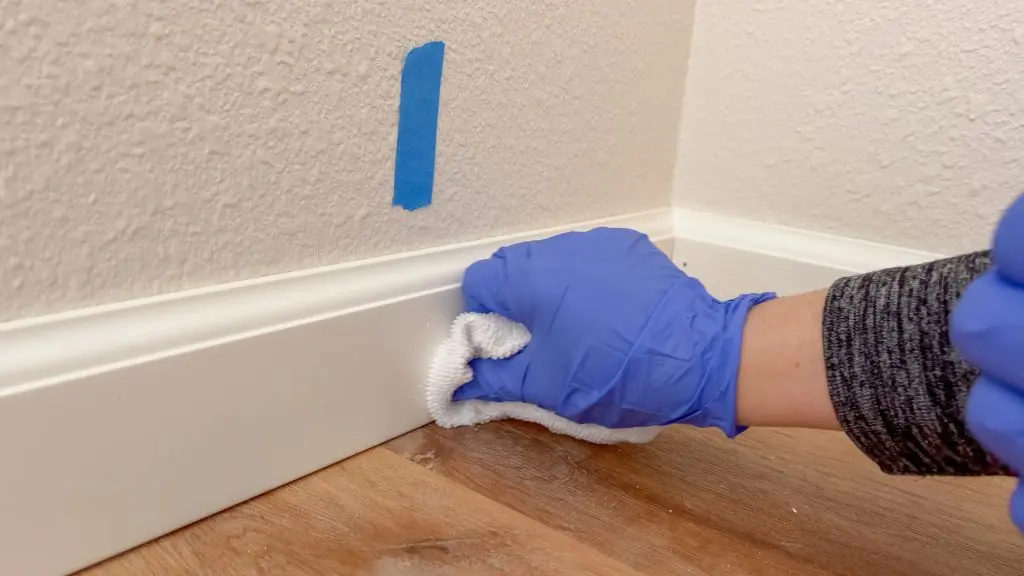
- Clean the trim. Wipe off dust and grease so paint bonds.
- Sand lightly. Scuff glossy existing trim so the new coat grips, then wipe dust.
- Fill gaps and holes. Caulk the gap where trim meets wall, and fill nail holes; this alone makes trim look pro.
- Prime where needed. Prime bare wood, stains, or big colour changes.
- Cut in and paint. Use painter’s tape or a steady hand to cut clean lines; apply thin enamel coats, letting each dry.
- Two coats. A second coat gives even colour and durability — don’t skip it.
Should you brush, roll, or spray trim?
Brushing gives the most control for most homeowners and is ideal for baseboards and casings, while spraying delivers the smoothest factory-like finish but needs masking and skill. Rolling suits flat, wide trim panels. In an occupied Winnipeg home, careful brushing with a quality angled brush usually gives the best balance of control and finish. For a flawless whole-home result — especially spraying doors and extensive trim — a professional finish is worth it; our interior painting team in Winnipeg handles the caulking, cutting-in, and enamel work that make trim look sharp.
Great trim starts with great prep — see our guide on how to prep a room for interior painting for the steps that set up a clean finish. For background on the mouldings themselves, the baseboard overview on Wikipedia explains the trim types you may be working with.
Get sharp, durable trim without the frustration
Want factory-crisp trim and baseboards without the brush marks? Request a free estimate from Lakeside Painters. We proudly serve Winnipeg, MB and the surrounding Manitoba communities — including homeowners in Niverville, Selkirk, Steinbach, and Stonewall, plus the wider Interlake and cottage country. Call (204) 791-8352 or visit our contact page for a no-pressure quote on interior painting.
Frequently Asked Questions
What kind of paint should I use on trim and baseboards?
Use a durable trim or door-and-trim enamel in a satin or semi-gloss sheen, which resists scuffs and wipes clean far better than flat wall paint. These paints also self-level to reduce brush marks. Semi-gloss is popular for baseboards and doors because it’s the most durable and easy to clean.
Should I paint trim or walls first?
Many pros paint the trim first, let it cure, then tape it off and paint the walls, because it’s easier to get a clean line on the wall than on detailed trim. Others do walls first — either works with careful cutting-in. The key is letting each surface dry before taping over it.
How do I get sharp lines where trim meets the wall?
Caulk the gap between trim and wall first, then use quality painter’s tape or a steady hand with an angled brush to cut a clean line. Pulling the tape while the paint is still slightly wet helps prevent peeling. Caulking is the single biggest factor in professional-looking trim lines.
Do I need to sand trim before painting?
Yes — glossy existing trim should be lightly scuff-sanded so the new coat can grip, and any filled areas need sanding smooth. Skipping this on a glossy surface is a common cause of peeling. Wipe off all dust before painting so the finish stays smooth.
Is it better to brush or spray trim?
Brushing gives most homeowners the best control and works well for baseboards and casings, while spraying gives the smoothest finish but requires masking and experience. In an occupied home, careful brushing with a good angled brush is usually the practical choice. Pros often spray doors and extensive trim for a factory finish.

Tyler is a highly motivated and hardworking individual with an entrepreneurial mindset and a genuine passion for people. He is currently pursuing a Bachelor of Commerce (Honours) degree, majoring in Marketing and Small Business/Entrepreneurship.
As the owner of Lakeside Painters, a Winnipeg-based painting company serving Winnipeg and surrounding cottage country regions, Tyler has gained hands-on experience in business ownership, customer service, sales, and project management. Lakeside Painters specializes in high-quality residential and commercial painting services, including interior painting, exterior painting, wood staining, and stucco coating, with a strong focus on professionalism, attention to detail, and customer satisfaction.
With an energetic and optimistic attitude, Tyler thrives in team environments and is willing to take on challenges in fast-paced, high-pressure settings. He brings strong problem-solving abilities, excellent communication skills, and a natural ability to connect with and understand others—skills he has developed through previous sales roles and his experience building Lakeside Painters.