
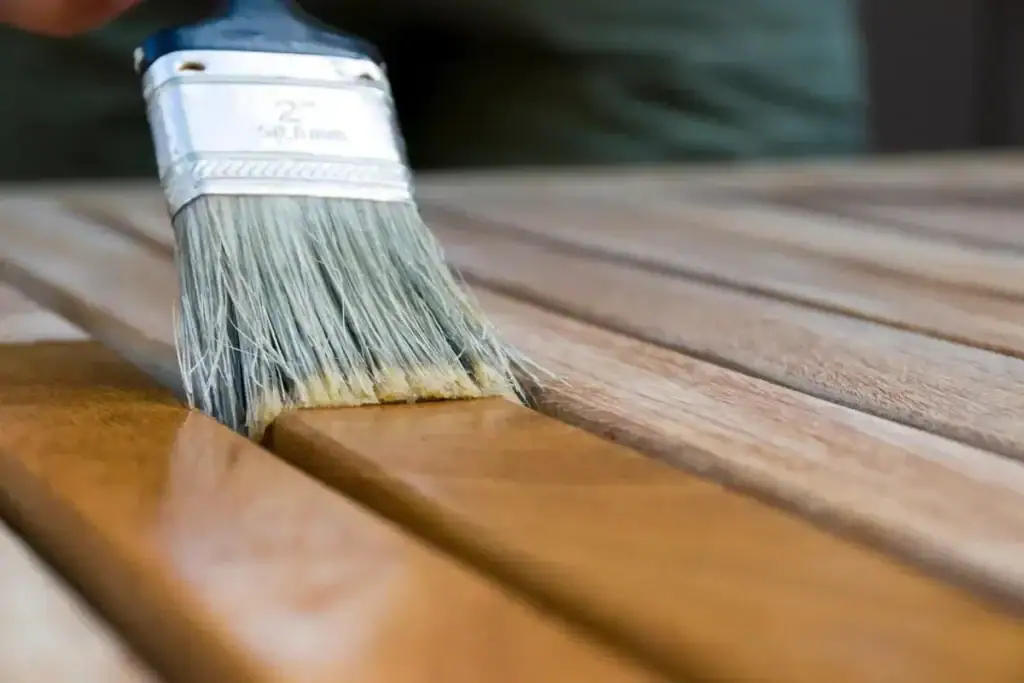
Seasonal care around the lakefront wood in Winnipeg helps you prevent rot and extend the beauty of your property. Lakeside Painters recommends inspecting for water damage and peeling stain, addressing loose boards and fasteners, and applying a new coat to protect against ice and UV fading. With proactive cleaning and timely touch-ups, you keep your dock and deck safe and long-lasting.
Key Takeaways:
- Follow a seasonal routine: deep clean and inspect in spring, protect from UV and spills in summer, apply water repellents and store soft goods in fall, and cover or store pieces through Winnipeg winters.
- Use the right products and timing: mild soap or oxygen-bleach cleaners for mildew, light sanding, and a quality penetrating stain or water-repellent finish applied when temperatures are consistently warm enough for proper curing.
- Call Lakeside Painters (serving Winnipeg and area) for professional sanding, staining, or restoration to extend life and maintain appearance — see https://lakesidepainters.ca/ for services and service areas.
Spring Awakening: Reviving Your Stained Wood — Winnipeg
Thorough Cleaning Techniques for Stained Surfaces
Begin with an oxygen-bleach solution (about 1 cup per gallon of warm water) and a soft-bristled brush to lift pollen, algae, and old stain residue; let the solution dwell 10–15 minutes before rinsing. If you use a pressure washer, set it to between 500–800 psi, use a 40° tip, and keep the wand 12–18 inches from the wood—exceeding 800 psi can damage wood fibers. Test a small area first and allow the wood to dry 24–48 hours in Winnipeg’s spring warmth before proceeding.
Identifying and Treating Signs of Wear and Tear
Scan for peeling stain, gray weathered sections, soft spots, and nail pops. Surface graying often requires sanding with 80–120 grit to restore the profile. Additionally, soft, spongy wood must be replaced to prevent structural failure. For isolated rot, use a wood consolidant or epoxy filler per manufacturer directions, then sand smooth. Plan to reapply a penetrating oil or semi-transparent stain every 2–3 years, or every 1–2 years on sun- and splash-exposed sides around Winnipeg.
On Lakeside Painters projects in Winnipeg, we commonly remove and replace boards when moisture content exceeds 20% or when probing reveals deep rot; after replacement, we sand remaining boards to a uniform texture (typically starting with 80 grit and finishing with 120 grit). Apply stain only when ambient and surface temperatures stay above 10°C (50°F) and no rain is forecast for at least 24–48 hours. Expect coverage of roughly 200–400 sq ft per gallon, depending on porosity; two thin coats often outlast one heavy coat. You can also seal cut ends with a preservative to limit wicking and extend the life of your repairs.
Summer Shielding in Winnipeg: Protecting Against the Elements
Effective Sun Protection Strategies
Use a high-quality, UV-blocking semi-transparent stain and plan applications for cooler mornings when the temperature sits between 10–25°C to prevent flash drying. Apply two thin coats, allowing 24–48 hours between coats, and expect to recoat every 1–3 years on south-facing surfaces with heavy sun exposure — Winnipeg UV index often reaches 7–9 in July. You can also add removable shades, such as awnings or umbrellas, to extend the finish life and protect adjacent cushions from fading.
Moisture Management: Keeping Wood Healthy in Humidity
Allow airflow under decks and between boards (aim for a 6–12 mm gap) to ensure water drains quickly. Near the lake, you may experience overnight relative humidity of 60–80%, so remove standing water within 24 hours. Choose breathable sealers with mildewcide, fasten with stainless steel screws, and check wood moisture — aim for below 15% before re-staining.
Check moisture with a handheld meter before any refinishing; if readings are above 15%, wait for several dry days or use fans to speed drying. Clean mold and mildew with an oxygen-bleach solution (follow manufacturer dilution) rather than chlorine where plants are nearby, then rinse and let dry 24–72 hours, depending on weather. When replacing boards, install a slight slope and add vents or blocks to increase under-deck circulation — these simple fixes drastically reduce rot risk. If you want a professional assessment, Lakeside Painters in Winnipeg can perform moisture testing and apply marine-grade water repellents tailored for lakeside conditions.
Autumn Vigilance: Preparing for Seasonal Challenges in Winnipeg
Analyzing the Impact of Falling Leaves and Debris
Fallen leaves and shoreline debris sit against stained wood and quickly raise surface moisture, which encourages mold, mildew, and dark tannin stains—especially from maple and oak. If leaf litter remains for 48–72 hours after a rain, your finish can soften and discolor; near the lake, higher humidity accelerates the process. You should clear leaves daily during peak fall drop, and sweep grit from seams and board ends to prevent abrasion and trapped moisture that lead to premature surface failure.
Sealing and Restoring Stained Wood Before Winter Hits
Plan sealing while daytime highs consistently sit above 10°C (50°F) and forecasted rain is at least 48 hours away; apply a penetrating oil-based stain or a marine-grade sealer in two thin coats for best protection. Start by washing with a mild detergent and a soft brush, then sand the loose finish with 80–120 grit. Allow the boards to dry completely before coating, ensuring the sealer bonds properly.
For deeper restoration, treat tannin and black water stains with an oxalic-acid cleaner on a test patch, then rinse thoroughly and let wood dry 24–72 hours, depending on humidity. Back-brush liquid stains to force product into end grain and tight joints; agree on a product with UV inhibitors and mildew resistance—Lakeside Painters in Winnipeg typically recommends products labeled for exterior cedar/pressure-treated applications and can match the right sealer to your lakeside exposure. Avoid sealing on damp wood or when overnight temps fall below 5°C (41°F), since poor curing can leave a tacky film and reduce long-term durability.
Winter Armor: Safeguarding Against Harsh Conditions
The Importance of Proper Storage
Store stained wood indoors or under a breathable, water-resistant cover to avoid trapped moisture; ideal storage conditions are roughly 5–20°C with relative humidity near 40–55%. Winnipeg winters often dip below -20°C, and repeated freeze–thaw cycles will split or delaminate finishes if wood sits wet or directly on cold ground. Elevate pieces on 2x4s, remove cushions, and keep airflow to prevent mold and surface checking.
Winter Maintenance Routines for Longevity
Inspect covers and stored pieces at least once a month and after major storms; clear snow and ice within 24–48 hours to prevent pooling and prolonged saturation. Tighten fasteners, check for cracks, and wipe away condensation under covers. For Winnipeg homeowners, Lakeside Painters recommends keeping a basic kit (soft brush, marine-grade sealant, breathable tarp) handy for quick touch-ups and emergency repairs.
More detailed routine: In late fall, clean surfaces with mild detergent, sand any flaking stain, and apply a water-repellent preservative or semi-transparent stain before heavy freeze-up. Aim to reapply a penetrating oil or sealant every 2–3 years, depending on exposure. Mid-winter, remove heavy snow loads and prop covers to avoid sagging pockets that hold moisture. Late winter, inspect for frost-related checking and plan spring spot repairs—addressing small splits early preserves finish integrity and saves on costly refinishing later.
Essential Strategies for Long-lasting Stained Wood
Selecting the Right Wood Finish for Your Environment
Choose finishes that withstand Winnipeg’s wide temperature swings—from summer highs near +35°C to winter lows below -30°C. Penetrating oils (tung or linseed blends) soak into the grain and typically need reapplication every 1–3 years, while film-forming spar varnishes or marine-grade urethanes provide stronger UV and moisture resistance for shoreline exposure. Prioritize products with UV inhibitors and mildewcides when your stained wood faces direct sun and high humidity.
Balancing DIY Repairs with When to Call in Professionals
Tackle minor sanding, spot stains, and board replacements yourself, but contact Lakeside Painters in Winnipeg for significant rot, compromised ledger connections, or jobs requiring scaffolding and structural work. If over 20–30% of a board shows deep decay or you detect systemic moisture, professional intervention prevents larger failures and higher costs.
Probe suspicious areas with a screwdriver—soft, spongy wood beneath the surface indicates deep rot rather than surface wear. Use oxygen bleach (sodium percarbonate) for mildew and follow with a matching stain, but avoid DIY attempts on hidden fastener failure, extensive joist damage, or surfaces coated with suspected lead-based paint; those hazards require certified contractors. Lakeside Painters offers moisture mapping, structural repair, and marine-grade finishes tailored to Winnipeg’s freeze–thaw cycles.
Eco-Conscious Practices for Sustainable Maintenance
Pick water-based, low-VOC stains and oxygen-bleach cleaners to protect the lake and reduce fumes. Contain runoff with tarps when pressure-washing or stripping, and store rags safely to prevent spontaneous combustion. These steps lower environmental impact and help you comply with local shoreline regulations.
Favor penetrating finishes that last 2–4 years to reduce material use over time, and look for third-party low-VOC certifications. Neutralize and dispose of paint and solvent waste at Winnipeg’s hazardous-waste depots to avoid toxic runoff and fines. Lakeside Painters can source eco-friendly products and handle application to minimize lake contamination while preserving your stained wood.
Finding Premium Quality Stained Wood Furniture in Winnipeg
Evaluating Craftsmanship and Material Quality
Inspect joinery for mortise-and-tenon or dovetail joints and ask if fasteners are stainless steel or marine-grade; these resist Winnipeg’s freeze-thaw cycles. Look for kiln-dried hardwood (moisture ≤12%), heartwood boards, and even penetrating stain rather than a thin surface film. Measure structural pieces—legs and rails should be at least” 1″ thick on seating—and check end grain sealing to prevent splitting. You’ll avoid costly repairs by choosing furniture built to these specs.
Trusted Brands and What to Look For
Prioritize brands that offer 5–10 year frame warranties, FSC certification, and proven outdoor finishes such as marine-grade stains or UV inhibitors. Brands known for teak (Kingsley Bate), aluminum frames (Brown Jordan), and durable cushions (Frontgate with Sunbrella fabrics) provide real performance data and service networks accessible in Winnipeg. Verify local dealer support and documented test results before buying.
Final Words
With this in mind, you can protect stained wood around the lake by following seasonal tasks—spring cleaning and touch-ups, summer UV protection, fall sealing, and winter storage. You should inspect for wear, address spots promptly, and use breathable covers to prevent moisture buildup. For professional refinishing, stain-matching, and durable coatings tuned to lakeside exposure, contact Lakeside Painters in Winnipeg for expert guidance and service.Summer Loving: Maintain, Finish, and Limit UV Damage
Summer is about protecting your skin from sun and splash damage. Wash stained surfaces every 4–8 weeks to remove pollen, gr, it, and lake residue. Quick spot-clean spills and bird droppings to prevent staining. Apply a maintenance coat of compatible stain or clear UV protectant if the existing finish shows fading or wear; thin, frequent touch-ups often preserve wood better than waiting for complete failure. If your property gets strong afternoon sun, use shade solutions (awnings, umbrellas) or move furniture to reduce direct UV exposure. Check for early signs of mildew in shaded, damp areas and treat promptly. For boathouse doors or dock hardware, lubricate moving parts and check seals to keep water intrusion minimal.
General Tips and Tricks for Long-Lasting Stained Wood
Choose the Right Materials
– Pick high-quality exterior stains or transparent finishes with UV inhibitors and water repellency. For lakefront wood, semi-transparent stains often balance protection and grain visibility. – For high-traffic or submerged edges, consider products formulated for harsher exposure. – Use stainless steel or hot-dip galvanized fasteners to reduce corrosion near water.
DIY vs. Professional Help
– Smaller jobs like cleaning, spot repairs, and light touch-ups are often DIY-friendly with the right tools and safety precautions. – Large refinishing jobs, structural repairs, or projects requiring color-matching and expert application are good reasons to call Lakeside Painters. Our crews work on lakefront properties around Winnipeg and the surrounding lake communities and can recommend the best stain system for your site exposure.
Eco-Friendly Maintenance
– Choose low-VOC stains and oxygen-based cleaners to reduce environmental impact around the lake. – Contain and capture runoff when pressure-washing near the shoreline; avoid sending concentrated cleaners directly into the water. – Reuse or recycle removed decking and fasteners when making replacements. These seasonal maintenance practices will keep your stained wood around the lake performing and looking its best throughout Winnipeg’s full seasonal cycle. A little timely care each season reduces long-term costs and preserves both function and appearance.
Looking for Professional Stain and Wood Care in Winnipeg?
Lakeside Painters provides stain application, refinishing, repairs, and maintenance plans for lakefront properties in Winnipeg and nearby lake communities. Visit https://lakesidepainters.ca/ to learn more or contact our team for an on-site assessment and seasonal maintenance quote.
FAQ
Q: How often should I reapply stain to a lakefront deck or dock in Winnipeg?
A: Frequency depends on finish type and exposure. Semi-transparent stains generally need reapplication every 2–3 years on exposed surfaces; solid stains may last 4–6 years but hide wood grain. High-traffic areas, direct sun, and splash zones wear faster. Inspect yearly for fading, water beading loss, or wood darkening—those signs indicate it’s time to clean and consider recoating. For precise timing, test a small area with water: if it soaks in rather than beads up, a maintenance coat is likely needed.
What’s the safest way to remove algae and mildew from stained wood near the water?
A: Start with a gentle approach: scrub with a soft brush and a diluted oxygen-bleach cleaner (sodium percarbonate) designed for exterior wood. Oxygen-based cleaners are effective and more environmentally friendly than straight chlorine bleach. If using a bleach solution, use low concentrations, protect surrounding vegetation, and rinse thoroughly to minimize runoff. When pressure-washing, use low pressure (500–1,200 psi) and keep the nozzle moving to avoid wood damage. Always follow product instructions and local regulations about runoff near the lake.
Q: Can I stain in early spring or late fall in Winnipeg, and what temperature or conditions are required?
A: Successful staining requires both the wood and ambient air to be within the manufacturer’s recommended temperature range—typically above 10°C (50°F) and below about 27–30°C (80–86°F) for most exterior stains. Early spring or late fall in Winnipeg can be suitable during warm, dry spells, but avoid staining when rain or heavy dew is expected within 24–48 hours or when nighttime temperatures will drop below the recommended cure range. For reliable results on lakefront wood, plan major staining for late spring through early fall and consult Lakeside Painters if you need work outside those windows.

Tyler is a highly motivated and hardworking individual with an entrepreneurial mindset and a genuine passion for people. He is currently pursuing a Bachelor of Commerce (Honours) degree, majoring in Marketing and Small Business/Entrepreneurship.
As the owner of Lakeside Painters, a Winnipeg-based painting company serving Winnipeg and surrounding cottage country regions, Tyler has gained hands-on experience in business ownership, customer service, sales, and project management. Lakeside Painters specializes in high-quality residential and commercial painting services, including interior painting, exterior painting, wood staining, and stucco coating, with a strong focus on professionalism, attention to detail, and customer satisfaction.
With an energetic and optimistic attitude, Tyler thrives in team environments and is willing to take on challenges in fast-paced, high-pressure settings. He brings strong problem-solving abilities, excellent communication skills, and a natural ability to connect with and understand others—skills he has developed through previous sales roles and his experience building Lakeside Painters.