
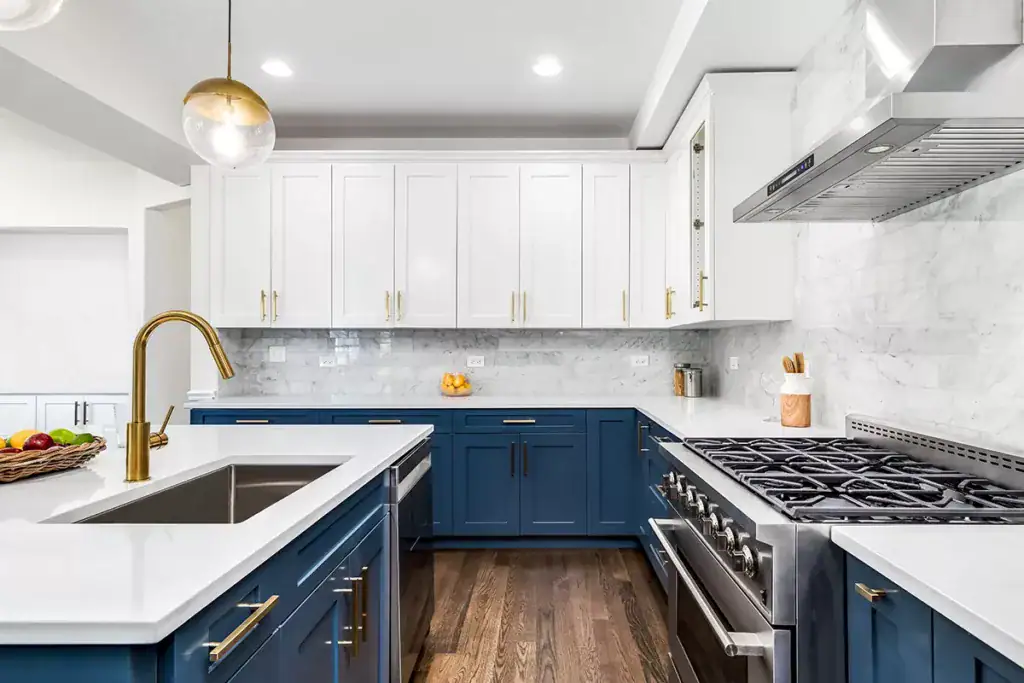
The Goal: Factory-Smooth, Winnipeg-Tough Cabinet Finishes
Cabinet paint is judged at arm’s length. Under bright task lighting and morning sun, surface texture shows everything: brush trails, roller stipple, and dust nibs. The question many homeowners ask is simple: Should you spray or roll for cabinet painting in Winnipeg? The right answer depends on your space, schedule, and appetite for prep. This guide breaks down the tradeoffs, shows how to avoid brush marks either way, and outlines a Winnipeg-specific workflow that stands up to dry winters and busy kitchens.
If you’re planning a full kitchen refresh, pairing careful prep with pro tools is what delivers that “did these just come from the factory?” look. When you’re ready for help, explore Cabinet Painting in Winnipeg for options and scheduling.
Winnipeg Conditions Matter More Than You Think
Humidity swings across the year change how coatings level and cure. In winter, indoor air runs dry and warm; in summer, it’s more humid. Both impact open time—the window in which paint can flow out and erase marks.
- Winter (dry, heated air): paint flashes fast; brush/roller marks can lock in unless you use slow-evaporating reducers and keep film wet.
- Summer (humid): longer open time helps leveling, but airborne dust and pollen rise with windows open.
- Spring/Fall: best seasons for cabinet work—moderate temps and controllable ventilation.
Knowing your home’s airflow and temperature lets you plan application method, reducer use, and drying racks so the finish lays down flat.
Spraying vs. Rolling at a Glance
Spraying
- Finish: ultra-smooth, factory-like, no roller stipple
- Speed: fastest for large batches of doors/drawer fronts
- Masking: heavy; you’ll tent off spaces and protect everything.
- Gear: HVLP or airless with fine-finish tip, quality filters
- Learning curve: higher, more adjustments, gun technique matters
Rolling (with tipping or self-leveling enamels)
- Finish: very good to excellent if you control technique; faint micro-texture possible
- Speed: slower on big batches; faster setup, less masking
- Masking: lighter; safe in occupied homes
- Gear: high-density foam or microfiber rollers, fine brush for edges
- Learning curve: moderate; repeatable once you dial in a workflow
The Real Source of Brush Marks (and How to Eliminate Them)
Brush marks rarely come from the brush alone. They come from thick, fast-drying paint meeting warm, moving air on a poorly prepped surface. Remove any one of those problems, and the odds of a glassy finish jump.
- Surface Prep: Degrease, degloss, sand, and create a uniform profile. Kitchen oils and cleaners leave invisible films that repel paint and force heavy strokes.
- Right Coating: Use cabinet-grade waterborne enamel or a catalyzed hybrid that self-levels. Look for products labeled for trim/cabinetry with hard, block-resistant cures.
- Film Build: Apply thin, even passes. Two or three light coats beat one heavy one.
- Environment: Control temperature (18–23°C) and air movement. No fans blowing on fresh coats.
- Technique: Keep a wet edge. When rolling, finish with long, light passes in one direction.
A Winnipeg-Proven Cabinet Workflow (Both Methods)
1) Remove, Label, and Map
- Photograph each cabinet run.
- Label doors and drawers with low-tack tape on the hinge side.
- Bag hinges/screws per opening to avoid mix-ups later.
2) Degrease and Rinse
- Use a cabinet-safe degreaser or TSP substitute.
- Rinse with clean water and let dry fully; residue can cause fisheyes and drag marks.
3) Sand & De-Gloss
- Scuff sand (150–180 grit) to knock down sheen.
- Fill dings and old hardware holes; re-sand to 220 for a tight profile.
- Vacuum and tack-wipe to remove fine dust that telegraphs under paint.
4) Prime for Grip and Blocking
- Use an adhesion-bonding primer compatible with your topcoat.
- For tannin-prone woods (oak, cherry), add a stain-blocking step to prevent bleed-through, which can require extra coats and heavy brushing.
5) Topcoat Strategy
- Spray: cabinet-grade waterborne enamel, reduced per spec for temperature; two or three light coats, racked horizontally to avoid sags.
- Roll: self-leveling enamel; thin coats with high-density foam or microfiber mini roller; light “tip-off” with a quality sash brush while the film is wet.
6) Cure & Reassemble
- Respect recoat times and handle times; Winnipeg’s dry air can feel “dry to the touch” before the coating gains strength.
- Use door racks or spacers to let air circulate without marring edges.
- Reinstall with clean gloves to keep oils off fresh paint.
Spraying: How to Get the “Factory” Look Without Surprises
Setup & Masking
- Zip-wall the kitchen entry, create a vented spray zone with proper filtration.
- Protect floors, appliances, and backsplash.
- Move doors/drawers to a garage or clean workspace with filtered exhaust.
Gun & Tip
- HVLP or an airless sprayer with a fine-finish tip (e.g., 210/310 size for many products).
- Strain paint through a fine-mesh strainer to prevent nibs.
- Dial in the pressure: just enough to atomize without overspray.
Technique
- Maintain a consistent distance and a square angle to the surface.
- Overlap 50%, keep the gun moving before and after the trigger pull to avoid heavy starts/stops.
- Spray edges first, then broad faces; watch light reflections to spot holidays or heavy spots.
Pros
- Glass-smooth finish on flat-panel and shaker doors.
- Fast on large sets; uniform film that hides previous grain highlighting.
Cons
- More prep and masking; sensitive to dust.
- Steeper learning curve; mis-adjusted setups can create orange peel or dry spray.
Rolling (and Tipping): Get 90–95% of the Spray Look
Roller Choice
- High-density foam or 1/4″ microfiber mini-rollers that lay out thin films.
- Pre-wet and spin out excess water for even loading.
Tipping Technique (Optional)
- After rolling a small section, lightly drag a fine brush in one direction to smooth the texture.
- Aim to touch the film, not push it; the motion erases stipple without carving grooves.
Self-Leveling Products
- Choose cabinet-specific enamels with longer open time.
- In dry winter air, a modest manufacturer-approved reducer can help the film relax.
Pros
- Less masking; practical in occupied homes.
- Lower equipment cost and faster setup for small batches.
Cons
- Micro-texture may remain visible at an angle in strong light.
- More sensitive to technique; overworking leaves trails.
The Edges, Rails, and Profiles: Where Marks Hide
Raised-panel doors and shaker rails collect excess paint at the inside corners. Whether you spray or roll:
- Feather the edges first. Light coat, then faces.
- Watch the rails. Don’t let paint pool at the stile/rail intersections.
- Lay doors flat. Gravity helps level, and runs are easier to fix flat than vertical.
- Check under the raking light. A flashlight at a low angle reveals texture you can knock down between coats.
Grain Fill: The Secret Weapon for an Ultra-Smooth Look
Oak and other open-grain species will show texture no matter how you apply paint unless you fill the grain first.
- Method: Apply a waterborne grain filler after primer, squeegee across the grain, sand flat, prime again, then topcoat.
- Payoff: Doors look like painted maple or MDF—clean planes with no pore telegraphing.
- Time tradeoff: Adds a day, but the “factory” aesthetic is unmatched, especially in bright Winnipeg kitchens.
Dust Control in Real Homes
Dust causes nibs; nibs catch light like tiny brush marks.
- Stage doors in a clean zone—such as a garage or spare room—with a filtered fan exhausting to the outdoors.
- Vacuum between grits; don’t rely on dry dusting alone.
- Tack-cloth lightly before each coat.
- Shut off forced-air vents in the finishing area during application and early drying, then restore airflow once the film sets.
Sheen, Color, and Lighting: How They Change What You See
- Sheen: Satin and semi-gloss reflect more, revealing texture; matte hides more but can feel less wipeable. Modern scuff-resistant satin is a strong middle ground.
- Color Dark colors show flaws; mid-tones and soft off-whites are more forgiving.
- Lighting: Under-cabinet LEDs cast raking light across doors. Expect to spend more time leveling surfaces in those zones.
Time & Budget: Where Each Method Makes Sense
- Small kitchens (8–12 doors): Rolling can be efficient, with spraying reserved for shop-finished doors.
- Medium to large sets: Spraying speeds batch work and keeps texture uniform.
- Tight timelines: Spraying wins on volume per hour—if masking is already in place.
- Occupied homes with kids or pets: Rolling reduces setup footprint and keeps the kitchen more accessible day-to-day.
Common Problems—and Fast Fixes
- Brush trails after first coat: Lightly sand with 320–400 grit, reduce the next coat per label, and apply thinner films.
- Roller stipple telegraphing: Switch to a denser foam/microfiber, warm the room slightly (not too dry), and let the product level.
- Orange peel from spraying: Reduce pressure slightly, thin per spec, and move closer while maintaining speed.
- Debris in film: Let cure, nib-sand with 600–800 grit, then apply a final dust-free pass.
- Blocking (doors stick): Allow full cure days before reassembly; use bumpers/spacers and keep humidity stable.
Sequence With the Rest of Your Kitchen Refresh
- Hardware decisions first: If you’re switching pulls/knobs, fill old holes now.
- Paint walls/ceilings after priming doors: It’s easier to cut returns after cabinets are off.
- Install backsplash last: Avoid dust on fresh grout lines and keep tools away from new cabinet faces.
- Final clean and re-hang: Use soft pads on work surfaces; handle with nitrile gloves.
Health and Safety Notes
- Choose low-VOC, cabinet-rated products for indoor work.
- Ventilate with filtered exhaust; never spray near open flames or pilot lights.
- Wear appropriate PPE: respirator cartridges rated for paint fumes, eye protection, and gloves.
Winnipeg-Specific Scheduling Tips
- Late winter to early spring is a sweet spot—windows can crack open for ventilation without summer insects and pollen.
- Mid-summer projects: plan for dehumidification and dust control if windows are open.
- Holiday timelines: allow extra cure time before heavy kitchen use; doors can feel dry but remain delicate for a few days.
DIY vs. Pro: A Balanced Take
You can roll and tip a small kitchen to an impressive standard with patience, a steady hand, and self-leveling enamels. If your vision is a sprayed, showroom-flat finish—especially on 20+ doors or open-grain species—bringing in a Winnipeg cabinet painting crew pays off in speed, dust control, and uniformity. Pros bring door racks, fine-finish tips, filtered exhaust, and a repeatable system that makes every door look like the next.
For estimates, scheduling, or to see finish options, visit Cabinet Painting in Winnipeg and plan a workflow that fits your home and calendar.
Quick Checklist: Zero Brush Marks, Start to Finish
- Degrease → rinse → sand 150/180 → fill → sand 220
- Bonding prime → block stains where needed
- Choose a cabinet-rated, self-leveling enamel.
- Control temp and airflow; no direct breeze on fresh coats
- Thin, even films; two or three coats, not one heavy pass
- Between coats: 320–400-grit level sand, tack-wipe
- Lay doors flat on racks; cure fully before re-hang
- Install new bumpers; handle with clean gloves
FAQs
1) Can rolling ever match a sprayed cabinet finish?
With the right enamel and technique, rolling gets very close—especially on flatter shaker styles. Spraying still wins for that ultra-flat, factory look, but many homeowners are thrilled with a well-rolled finish that shows no visible brush marks at normal viewing distance.
2) What’s the best roller for cabinet painting in Winnipeg homes?
Use high-density foam or 1/4″ microfiber mini-rollers. They lay thin, even films that self-level better and keep texture tight. Avoid thick naps that leave heavy stipple.
3) Do I need to sand between coats if the paint says “no-sand”?
Light leveling (320–400 grit) isn’t just about adhesion—it knocks down tiny dust nibs and evens texture so the next coat flows out smoother. It’s a small step with a big payoff.
4) How long should I wait before re-hanging doors?
Follow label times, then add Winnipeg’s reality: dry heated homes can feel “dry” early, but full hardness takes longer. Many cabinet enamels require 12–24 hours before careful handling and several days before hard use.
5) My cabinets are oak. Will the grain still show after painting?
Without grain filling, yes—oak pores telegraph through even sprayed finishes. A grain-fill step after primer (then re-prime) is the most reliable way to achieve that smooth, pore-free look.

Tyler is a highly motivated and hardworking individual with an entrepreneurial mindset and a genuine passion for people. He is currently pursuing a Bachelor of Commerce (Honours) degree, majoring in Marketing and Small Business/Entrepreneurship.
As the owner of Lakeside Painters, a Winnipeg-based painting company serving Winnipeg and surrounding cottage country regions, Tyler has gained hands-on experience in business ownership, customer service, sales, and project management. Lakeside Painters specializes in high-quality residential and commercial painting services, including interior painting, exterior painting, wood staining, and stucco coating, with a strong focus on professionalism, attention to detail, and customer satisfaction.
With an energetic and optimistic attitude, Tyler thrives in team environments and is willing to take on challenges in fast-paced, high-pressure settings. He brings strong problem-solving abilities, excellent communication skills, and a natural ability to connect with and understand others—skills he has developed through previous sales roles and his experience building Lakeside Painters.