
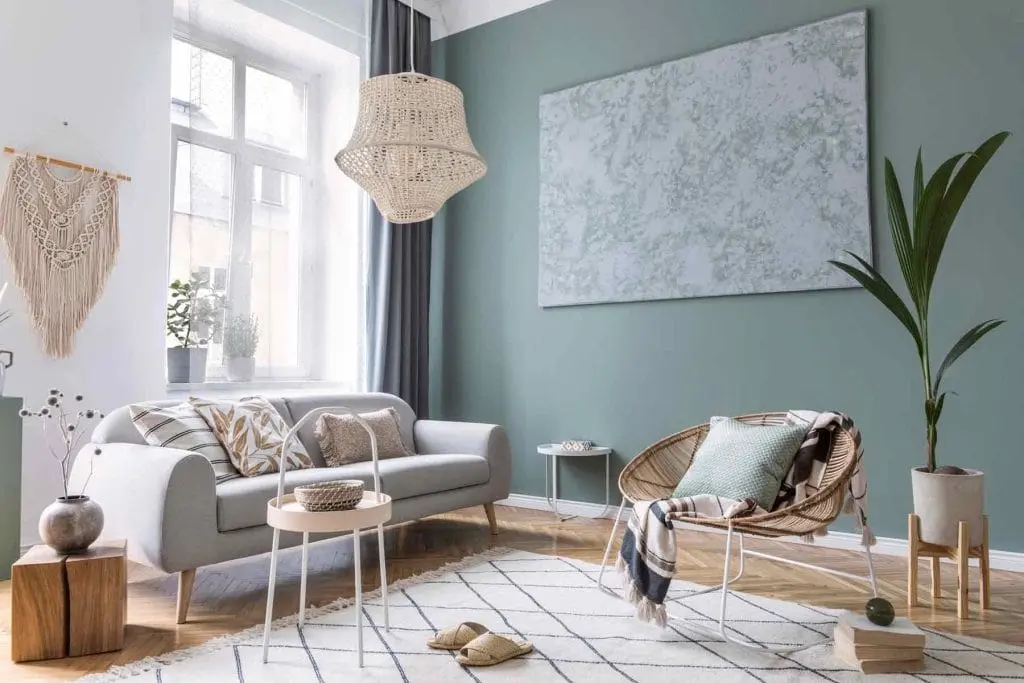
When it comes to painting your home, the price tag on the paint cans is often the first thing many people consider. While budget-friendly, low-quality paints may seem like a good deal initially, they usually cost homeowners more in the long run. Low-quality paint’s durability, appearance, and health impact can quickly add up, leading to frequent repainting, costly repairs, and even compromised indoor air quality. In this blog, we’ll explore the hidden costs of using low-quality paint for your home and why investing in premium paints can save you time, money, and hassle.
-
Reduced Durability and Frequent Repainting
One of the most significant hidden costs of using low-quality paint is its lack of durability. Lower-quality paints generally have fewer binders, the ingredients that hold the pigment particles together, and are essential for adhesion and longevity. As a result, they tend to wear down more quickly, especially in high-traffic areas. Here’s why this can become a costly issue:
- Frequent Repainting: Since low-quality paint doesn’t hold up well over time, you may need to repaint more frequently—sometimes every couple of years instead of every five to ten years. Frequent repainting takes up more of your time and effort and adds up costs for paint, supplies, and labor (if hiring a professional).
- Susceptibility to Damage: Lower-quality paints are prone to chipping, peeling, and scratching, particularly in areas with regular use, like hallways, kitchens, and children’s rooms. This means walls may require touch-ups or a complete repaint sooner than expected.
- Impact on Exterior Surfaces: Low-quality paint can lead to significant expenses for exterior painting. Exterior paint protects your home from weather, UV rays, and other environmental factors. Inferior paints can crack, fade, and blister under harsh conditions, meaning you may need to repaint the exterior sooner, which can be expensive and time-consuming.
High-quality paint can provide a longer-lasting finish that stands up to wear and tear, saving you money and effort on frequent repainting and repairs. This long-term durability ensures that your home maintains its aesthetic appeal and value, giving you peace of mind about your investment.
-
Increased Labor Costs and Application Challenges
Another hidden cost of using low-quality paint is the added labor involved in the application. Low-quality paints are often more challenging to work with, leading to:
- More Coats Required: Cheap paint typically lacks sufficient pigment, providing less coverage per coat. This often requires additional coats to achieve a consistent, even color, resulting in more paint and time spent on application. For professional jobs, this can double the cost of labor.
- Difficulty in Application: Low-quality paint tends to have a thinner consistency, which can cause streaks, uneven patches, and a patchy finish. Painters may spend extra time creating an even layer, increasing labor costs and the risk of imperfections.
- Priming Necessity: Lower-quality paints may not adhere as well to surfaces, requiring an additional primer layer before applying the paint. This adds to the paint and labor costs, as you’re paying for an extra step that high-quality paint may not require.
Using high-quality paint allows for fewer coats and smoother application. It often eliminates the need for primer, making the process faster, easier, and more cost-effective in the long run. This saves you money and reduces the stress and hassle of painting your home.
-
Poor Aesthetic Quality and Lower Resale Value
The appearance of low-quality paint is another drawback that can indirectly impact your finances, especially if you plan to sell your home. Cheap paint often looks dull, fades faster, and fails to provide premium paint’s vibrant, polished look. Here’s how this affects your home’s value:
- Color Fading: Lower-quality paints have lower-grade pigments that can quickly fade, especially in rooms with significant natural sunlight or on exterior surfaces. Fading not only diminishes the aesthetic appeal of your home but also leaves it tired and unkempt.
- Lack of Finish Options: High-quality paints come in various finishes that can enhance the look and functionality of a room, from matte to high gloss. Low-quality paints may have fewer finish options, making it harder to achieve the desired look.
- Negative Impression on Buyers: When potential buyers walk into a home, they notice the quality of the finishes. Low-quality paint with visible flaws, uneven application, or signs of wear can create a negative impression, leading to lower offers or reduced market interest. In contrast, a well-painted home with high-quality paint enhances the space’s appeal and can help you command a higher price.
By investing in better-quality paint, you’re more likely to maintain the aesthetic integrity of your home, which can ultimately protect or even boost your property value. This potential increase in value can give you a sense of optimism about your investment in high-quality paint.
-
Higher Maintenance and Cleaning Costs
Maintenance is another area where low-quality paint can become a costly headache. The ingredients in cheap paints generally lack the protective qualities found in premium products, making cleaning and maintaining them more difficult:
- Stain Resistance: High-quality paints are formulated to resist stains, making them easier to clean without damaging the finish. Low-quality paint, on the other hand, absorbs stains more readily and may become damaged or discolored when cleaned.
- Poor Washability: In areas like kitchens, bathrooms, and children’s rooms, washability is essential. Lower-quality paints often don’t stand up well to scrubbing or cleaning, which can leave walls looking dull or worn after only a few cleanings. You may find yourself repainting sooner than expected simply to maintain a fresh appearance.
- Mold and Mildew Growth: Premium paints often contain additives that resist mold and mildew, which is especially important in high-moisture areas like bathrooms and basements. Low-quality paint lacks these protective ingredients, leading to mold or mildew issues that require costly remediation and repainting.
Choosing high-quality paint not only provides a more durable finish but also makes it easier to maintain a clean, fresh look with minimal upkeep.
-
Potential Health and Environmental Costs
The quality of paint also affects indoor air quality and environmental impact. Low-quality paints often contain higher levels of volatile organic compounds (VOCs), which can have severe implications for your health and the environment. Here’s why this is a hidden cost worth considering:
- Increased VOC Emissions: Low-quality paints typically contain more VOCs, which are chemicals released as paint dries. These emissions can cause headaches, dizziness, respiratory issues, and long-term health concerns, especially in poorly ventilated spaces. The lingering odor from VOCs can also make it challenging to occupy the room comfortably.
- Health Risks Over Time: For families with young children, elderly members, or individuals with respiratory issues, VOCs can pose significant health risks. Even after the paint dries, it can continue to emit harmful fumes, compromising indoor air quality and leading to potential medical costs.
- Environmental Impact: Lower-quality paints often have a larger environmental footprint. They tend to require more frequent applications, generating more waste from paint cans and brushes. Additionally, VOC emissions contribute to air pollution, harming both human health and the environment.
Choosing low-VOC or zero-VOC paints from reputable brands can improve your indoor air quality, reduce environmental impact, and ultimately create a safer home environment.
While low-quality paint may save you money upfront, the hidden costs quickly add up in terms of durability, maintenance, aesthetic appeal, and health risks. Investing in high-quality paint may require a more significant initial expense, but it provides long-lasting results, enhances the appearance of your home, and makes upkeep significantly easier. With fewer repaints, better coverage, and added protection against stains and mildew, premium paint adds value to your home and contributes to a healthier, more enjoyable living environment. When it comes to painting your home, choosing quality over cost ensures you won’t be paying the price later on. Trust Lakeside Painters to provide top-notch painting services, ensuring lasting results and peace of mind for your home improvement projects.

Tyler is a highly motivated and hardworking individual with an entrepreneurial mindset and a genuine passion for people. He is currently pursuing a Bachelor of Commerce (Honours) degree, majoring in Marketing and Small Business/Entrepreneurship.
As the owner of Lakeside Painters, a Winnipeg-based painting company serving Winnipeg and surrounding cottage country regions, Tyler has gained hands-on experience in business ownership, customer service, sales, and project management. Lakeside Painters specializes in high-quality residential and commercial painting services, including interior painting, exterior painting, wood staining, and stucco coating, with a strong focus on professionalism, attention to detail, and customer satisfaction.
With an energetic and optimistic attitude, Tyler thrives in team environments and is willing to take on challenges in fast-paced, high-pressure settings. He brings strong problem-solving abilities, excellent communication skills, and a natural ability to connect with and understand others—skills he has developed through previous sales roles and his experience building Lakeside Painters.