
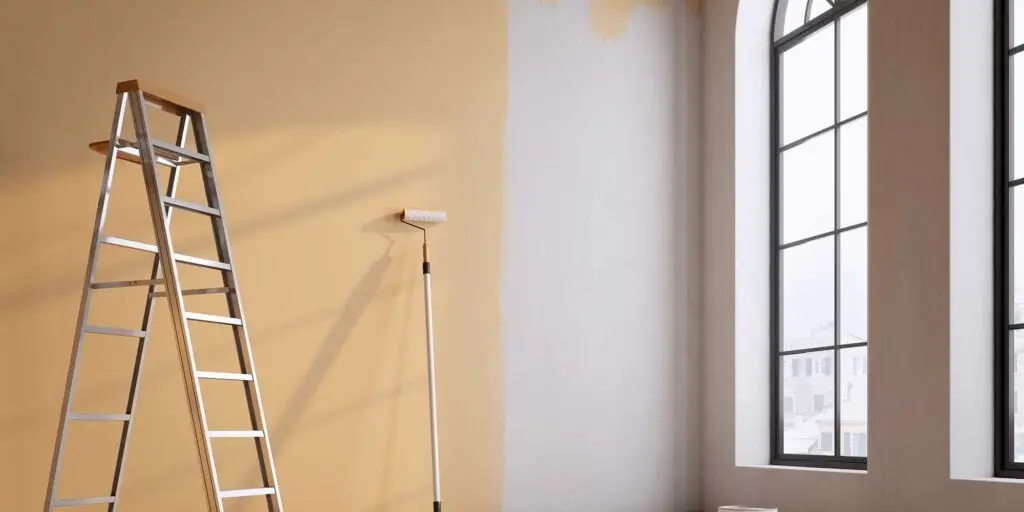
The foundation you build before applying paint greatly affects the final result when painting your home. Using a high-quality primer prepares your surface for better adhesion, ensuring your paint lasts longer and looks flawless. Skipping primer can lead to peeling, uneven color, and reduced protection against moisture and stains. Lakeside Painters for Winnipeg homeowners recommends investing time in proper priming to enhance your paint job’s durability and visual appeal, ultimately saving you money and effort in the long term.
Key Takeaways:
- Primer provides a strong adhesive layer that helps paint bond better to surfaces, ensuring a longer-lasting finish.
- Using a primer helps to hide imperfections and prevents previous colors or stains from showing through the new paint.
- Applying primer protects the surface, shielding it from mold, wear, and environmental damage while enhancing overall paint quality.
For Winnipeg homeowners, Lakeside Painters offers expert guidance and professional primer application to achieve outstanding painting results.
Understanding Primer
Definition of Primer
Along with providing a smooth base for paint, a primer is a preparatory coating applied directly to the surface before your paint job. It enhances adhesion and ensures your paint sticks better, preventing peeling and uneven coverage. Whether your project involves wood, drywall, or metal, using a primer helps eliminate stains, hide imperfections, and seal the surface. This step directly impacts the final look and durability of your paint. Always invest in a high-quality primer to protect your surfaces and achieve a professional finish.
Types of Primers
Primer products commonly come in two main types: water-based and oil-based. Water-based primers are fast-drying and contain fewer solvents, making them suited for large interior walls and compatible with water-based paints. Although oil-based primers are slower to dry, they provide superior stain blocking and are ideal for wood and high-touch areas like trim or cabinets. Oil-based primers are particularly beneficial if you want to cover tough stains or prepare surfaces prone to wear. Choosing the correct type ensures optimal adhesion and longevity for your paint job.
Primer plays an imperative role, and understanding its varieties helps you make the best choice for your project. The table below breaks down key details:
| Water-Based Primer | Oil-Based Primer |
|---|---|
| Quick-drying (typically 24 hours dry time) | Slower drying (may take longer than 24 hours) |
| Low solvent content, environmentally friendlier | Higher solvent content, stronger fumes |
| Best for drywall and bare wood | Ideal for covering stains and sealing knots in wood |
| Works well with water-based paints | Preferred in commercial and heavy-use environments |
| Easy cleanup with soap and water | Requires mineral spirits or paint thinner for cleanup |
Hence, recognizing each primer type’s strengths and application requirements will guide you in preparing your surfaces precisely. Both water- and oil-based primers provide a solid foundation, but your choice depends on the surface condition and the desired outcome.
- Water-based primers dry faster, enabling quicker project completion.
- Oil-based primers excel at sealing and stain blocking, making them perfect for challenging surfaces.
- Applying the right primer enhances paint adhesion and surface protection.
- Incorrect primer choice may lead to peeling, stains bleeding through, or uneven finishes.
- You should always prioritize primer selection to ensure your paint job lasts longer and looks flawless.
As Winnipeg homeowners, you can count on Lakeside Painters to help you select and apply the right primer for your project, guaranteeing a beautiful, durable finish every time.
Importance of Using Primer
Bonding Benefits
Primer creates a strong adhesive layer between your surface and the paint, significantly improving how well the paint sticks. Without it, your paint may peel or chip prematurely, costing you time and money on repairs. Using a primer ensures your paint job lasts longer and looks better, offering a durable and smooth finish that holds up to everyday wear.
Hiding Imperfections
On surfaces with knots, joints, or previous damage, primer is a base layer that masks these flaws, giving your paint a more even and flawless appearance. This step is crucial when repainting or switching colors, as it prevents prior imperfections from showing through the final coat.
Bonding primer strengthens adhesion and provides a uniform surface that reduces the visibility of stains, marks, or uneven textures. This means your paint will effectively cover inconsistencies, resulting in a professionally polished finish that enhances your home’s aesthetic.
Color Coverage
Using primer ensures your new paint color appears true and vibrant by blocking out any existing hues or stains that could affect the final tone. This base coat creates a consistent canvas for your paint, helping you achieve the exact look you want without multiple layers of paint.
Hence, applying primer reduces the number of paint coats needed, saving time and resources. It also prevents old colors or stains from bleeding, which is especially important if you change your room’s color drastically.
Protective Qualities of Primer
Barrier Against Elements
Keep in mind that between your surface and the paint lies the primer, acting as a vital barrier against environmental damage. This protective layer helps to seal the surface, reducing the risk of moisture penetration, wear, and peeling over time. By applying primer, you effectively shield your walls or wood surfaces from the elements, which means your paint job will remain vibrant and intact far longer.
Prevention of Mold and Wear
Protective primers guard against mold growth and general wear, especially in high-humidity areas or materials prone to decay. The primer limits moisture absorption by sealing the surface, a common trigger for mold formation and surface deterioration.
A quality primer, like those recommended by Lakeside Painters for Winnipeg homeowners, not only extends the lifespan of your paint but also protects your investments by preventing damage from moisture-related issues. This means fewer repairs, less maintenance, and a healthier living environment.
Enhancing Paint Job Quality
Not paying attention to the primer step can significantly affect your paint’s appearance and performance. Using a primer creates a smooth, adhesive base that prepares your surface perfectly for the paint to bond, ensuring a more even and professional finish. Without it, you risk uneven coloring, visible imperfections, and premature wear that reduce the overall quality of your paint job.
Finish Quality Improvement
A primer acts as a strong foundation against uneven surfaces and staining, masking imperfections like knots and joints, allowing your paint to appear more vibrant and consistent. This extra layer helps you achieve that flawless finish you expect, making your walls or woodwork look professionally done, just like the work Lakeside Painters delivers to Winnipeg homeowners.
Longevity of Paint and Material
Against moisture, mold, and general wear, primer provides an imperative barrier that protects both your paint and the underlying material. This protection means your paint job lasts longer, reducing the need for frequent touch-ups and saving you time and money over the years.
Paint applied over a primer bonds more effectively, preventing peeling and chipping. Since oil-based primers offer enhanced sealing and stain blocking—especially useful for wooden or heavily touched surfaces—you’ll find your painted areas resist damage better. Proper priming makes your walls or trim stay fresh-looking much longer, offering extended durability and preserving your home’s appearance. For Winnipeg homeowners, the professional painters in Winnipeg at Lakeside Painters maximize these benefits with expert primer application tailored to each surface, delivering an even, long-lasting result.
Application Process of Primer
Surface Preparation
Preparing your surface is imperative for optimal adhesion, in addition to applying primer correctly. You should clean the area thoroughly, removing dust, grease, and loose paint. Any imperfections, like wood knots or joints, need smoothing or filling first to ensure the primer creates a uniform base for your paint.
Drying Times
Drying time is critical to your project’s success. Water-based primers usually dry faster than oil-based ones, typically within 24 hours, but you should always follow the specific instructions on the product.
Hence, allowing your primer enough time to dry guarantees a strong bond between the primer and your paint. Applying paint prematurely may cause peeling or uneven coverage. Patience in this step will ensure a durable and flawless finish that lasts.
Application Techniques
Application techniques will greatly impact the primer’s effectiveness. You should use even strokes with a quality brush or roller suited to the primer type and surface texture. Applying in thin, uniform layers avoids drips or pooling, leading to a smooth base for painting.
Process-wise, starting from edges and working inward helps you cover the surface consistently. Using the right tools and techniques from the start reduces the need for extra sanding or touch-ups later. If unsure, Lakeside Painters in Winnipeg can guide you to ensure your primer application sets a solid foundation for a perfect paint job.
When to Consult Professionals
Signs You Need Expert Help
Professionals can identify challenges you might overlook, such as persistent stains, uneven surfaces, or wood with knots and joints requiring special priming. If you notice that your paint job is peeling quickly or you struggle with long drying times and imperfect finishes, these are clear signs that expert intervention could improve the outcome of your project. For Winnipeg homeowners, trusting specialists ensures the right primer and technique are used, giving you a lasting and flawless finish.
Benefits of Hiring a Painter
Help from Lakeside Painters means you gain access to skilled professionals familiar with both water—and oil-based primers. This knowledge ensures that stubborn stains or high-touch areas are treated correctly, saving you time and preventing costly mistakes that could require repainting sooner than expected.
Indeed, by hiring Lakeside Painters, you benefit from their expertise in correctly timing the primer dry periods and applying paint on top, which can be a challenge when working with different primers. Their licensed and insured team brings professional-grade sealing against mold and wear, protecting your surfaces in Winnipeg’s climate. This results in a superior finish and extends the life of your painted surfaces, offering you long-term value and peace of mind.
Considering all points, using a primer before painting is imperative to ensure your paint adheres properly, covers imperfections, and protects your surfaces. By applying the right primer, you enhance the durability and appearance of your paint job, saving you time and expense in the long run. For Winnipeg homeowners seeking expert advice and quality service, Lakeside Painters is your trusted partner to achieve a flawless finish every time.
FAQ
Q: Why should Winnipeg homeowners use primer before painting their walls?
A: Using a primer before painting creates a strong bond between the surface and the paint. For Winnipeg homeowners, where weather conditions can vary, primer helps seal the surface, providing better adhesion and improving the paint job’s durability. This ensures that the finish lasts longer and looks more even, especially on new or previously painted walls.
Q: What type of primer is best for interior surfaces in Winnipeg homes?
A: For interior surfaces in Winnipeg, water-based primers are often the preferred choice because they dry quickly and have fewer solvents, making them suitable for living spaces. They also perform well with water-based paints commonly used indoors. However, oil-based primers offered by Lakeside Painters may provide better coverage and stain blocking for areas with stains or on wooden trim.
Q: How long should the primer dry before applying the paint coat in Winnipeg’s climate?
A: The drying time of primer depends on its type and the environmental conditions. Typically, water-based primers should dry for about 24 hours before the first coat of paint is applied. In Winnipeg’s climate, where humidity and temperature can affect drying times, it is best to follow the specific instructions on the product or consult with Lakeside Painters to ensure optimal results.

Tyler is a highly motivated and hardworking individual with an entrepreneurial mindset and a genuine passion for people. He is currently pursuing a Bachelor of Commerce (Honours) degree, majoring in Marketing and Small Business/Entrepreneurship.
As the owner of Lakeside Painters, a Winnipeg-based painting company serving Winnipeg and surrounding cottage country regions, Tyler has gained hands-on experience in business ownership, customer service, sales, and project management. Lakeside Painters specializes in high-quality residential and commercial painting services, including interior painting, exterior painting, wood staining, and stucco coating, with a strong focus on professionalism, attention to detail, and customer satisfaction.
With an energetic and optimistic attitude, Tyler thrives in team environments and is willing to take on challenges in fast-paced, high-pressure settings. He brings strong problem-solving abilities, excellent communication skills, and a natural ability to connect with and understand others—skills he has developed through previous sales roles and his experience building Lakeside Painters.