
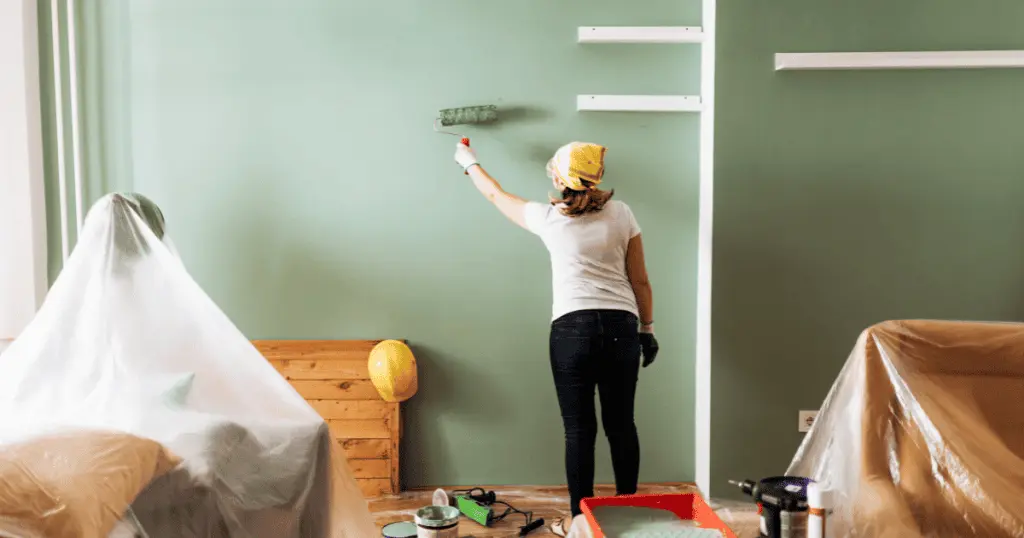
With winter’s chilly grip, you might think painting isn’t an option, but Lakeside Painters is here to show you otherwise. When you paint indoors during the cold months, choosing low or zero-VOC paints is important to avoid the dangerous fumes that can cause dizziness and nausea. Fortunately, with the right products, you can enjoy safe, low-odour painting while protecting your home and the environment. Discover how these three secrets can help keep your interiors fresh and beautiful, even in Winnipeg’s toughest weather conditions.
Key Takeaways:
- Lakeside Painters recommends using low and zero-VOC paints like Sherwin-Williams Harmony, Benjamin Moore Natura, and Sansin to ensure safe, environmentally friendly indoor painting during Winnipeg’s cold winters.
- Waterborne paints with low VOC levels allow interior painting even in winter by reducing harmful fumes and irritation, making indoor environments safer without requiring extensive ventilation.
- Choosing products with certifications like GreenGuard or asthma and allergy-friendly labels supports healthier living spaces while preserving the environment. This aligns with Lakeside Painters’ commitment to responsible painting practices year-round.
Understanding Winter Conditions
Your approach to painting in winter hinges on understanding how the season’s unique conditions affect paint application and performance. Knowing how cold temperatures and indoor humidity interact with different paint types can help you achieve a lasting, professional finish even during Winnipeg’s chilly months. At Lakeside Painters, we leverage this knowledge to deliver quality results year-round.
Effects of Cold on Paint Performance
Against the common misconception that paint freezes, most paints become too thick or unusable when temperatures drop below 50°F (10°C). Cold weather slows the curing process significantly, resulting in uneven drying, poor adhesion, peeling, or cracking. For Winnipeg homeowners, you should avoid painting on frigid days or using paints not formulated for winter conditions. At Lakeside Painters, we select products that perform well despite low temperatures, ensuring your paint job stands the test of time.
Humidity and Its Impact on Drying Times
Cold winter air often carries lower humidity levels indoors, but increased moisture from heating systems or enclosed spaces can extend drying times. This can cause paint to remain tacky longer and invite dust or debris, impacting the smoothness of your finish. You need to balance indoor humidity to enable proper paint curing, which is a key consideration when painting in winter.
Also, waterborne paints release water vapor alongside VOCs as they dry, interacting with indoor humidity. Too high humidity slows evaporation, while too low humidity can cause cracking or poor film formation. At Lakeside Painters, we monitor and manage indoor conditions to optimize your paint’s drying process, providing a durable, beautiful result regardless of the season.
Preparation for Winter Painting
While painting in winter introduces unique challenges, being well-prepared sets you up for success. At Lakeside Painters, we emphasize proper planning to ensure your paint job withstands Winnipeg’s cold and fluctuating temperatures. Taking steps to select the right timing, inspect surfaces thoroughly, and equip yourself with appropriate tools will make your winter painting project smoother and more effective.
Choosing the Right Time of Day
To maximize paint performance during colder months, aim to paint during the warmest part of the day—typically late morning to early afternoon. This helps the paint remain liquid and cure properly, avoiding the problems associated with freezing temperatures. Additionally, milder temperatures reduce the risk of trapped humidity and ensure better adhesion.
Inspecting Surfaces for Winter Readiness
Readiness begins with a detailed surface inspection before winter painting. Check for any moisture, peeling paint, or damage caused by earlier weather conditions, as these issues can worsen in cold weather and affect your job’s longevity.
It is important to understand that paint works best on dry, stable surfaces. Frozen or damp surfaces prevent proper curing and adhesion, so you should address any surface imperfections or moisture problems beforehand. Taking time to prep will ensure your paint job remains vibrant and resistant throughout harsh Winnipeg winters.
Essential Tools and Supplies
The right tools and materials make a significant difference for winter painting. Use brushes and rollers designed for cold-weather application and choose low or zero-VOC paints like those recommended by Lakeside Painters, which release fewer irritants and perform better indoors during winter.
Choosing the proper preparation and painting supplies tailored for winter conditions helps you avoid common issues such as poor drying or unpleasant fumes. Selecting products like Sherwin-Williams Harmony or Benjamin Moore Natura, known for their environmental friendliness and low odor, will keep your indoor environment safe and comfortable throughout the project.
The Three Secrets to Successful Winter Painting
Not all painting conditions are equal, especially in Winnipeg’s cold months. Understanding the right approach is key to ensuring your winter paint job is flawless. Here are the three secrets Lakeside Painters rely on to make your winter painting project successful.
Secret One: Temperature Management
Between 35°F and 85°F is generally considered the optimal temperature range for painting to ensure proper drying and curing. Too cold, and the paint risks freezing or failing to adhere; too hot, and it dries too fast, affecting finish quality. With winter’s chill, controlling the indoor environment with heaters or timed ventilation becomes your best strategy to maintain this range for your project’s duration.
| Ideal Temperature | Potential Issues |
|---|---|
| 35°F to 85°F | Proper curing and adhesion |
| Below 35°F | Risk of frozen or uneven paint |
| Above 85°F | Paint dries too quickly and has a poor finish |
Secret Two: Selecting the Right Paint
With winter painting, choosing low or zero-VOC paints like Sherwin-Williams Harmony or Benjamin Moore Natura ensures you avoid harmful fumes in your enclosed indoor space. These paints provide safe, low-odour options for closed environments without compromising air quality, letting you breathe easier during and after application.
Hence, not all paints are made the same for winter use. Harmony’s unique ability to absorb VOCs from its surroundings and Natura’s certification as asthma and allergy-friendly give you an extra layer of protection and comfort, making your home healthier during colder months when ventilation is limited.
Secret Three: Expert Application Techniques
Among all the key factors, how you apply your paint significantly impacts the outcome. Proper layering, avoiding thick coats, and adequate drying time between coats help prevent issues like peeling or uneven coverage, especially in dry indoor winter air.
Secret application techniques mastered by Lakeside Painters include using the right tools and methods tailored to each paint type, combined with strict environmental controls. This approach ensures your indoor spaces stay safe and beautiful throughout the paint job. Trust the expertise of professionals to navigate winter-specific challenges efficiently.
Choosing the Right Products
Despite the challenges of painting in winter, selecting the appropriate paint products can make the process safe, effective, and comfortable for you. At Lakeside Painters, we emphasize using paints with low or zero VOCs to minimize indoor irritants and maintain air quality. These products support your health and protect the environment, ensuring your home stays fresh without harmful fumes. Choosing the right brand tailored to your needs is the first step toward successful, year-round interior painting in Winnipeg.
Overview of Paint Brands: Harmony
Choosing Harmony means opting for a true zero-VOC paint that releases no volatile organic compounds, thanks to Sherwin-Williams’ use of VOC-free pigments. This paint absorbs VOCs from your environment, helping keep your indoor air clean. With its low-odour formulation and GreenGuard certification, Harmony offers you a painting experience that is safer and more pleasant, especially when working in closed spaces during Winnipeg’s cold months.
Exploring Natura’s Benefits
In addition to being a low-odour, low-VOC product, Benjamin Moore’s Natura is certified by the Asthma and Allergy Foundation of America as “allergy and asthma friendly.” This means it’s one of the safest choices you can make for indoor painting, especially if you or your family members suffer from respiratory sensitivities. Natura allows you to paint in winter without stirring up irritants that cause discomfort or health concerns.
An overview of Natura’s Benefits extends beyond certification; it excels in maintaining indoor air quality even in closed environments. With Natura, you avoid conventional paints’ typical harsh smells and airborne irritants. This translates into a safer, more comfortable space for your Winnipeg home throughout the painting process and beyond.
The Advantages of Using Sansin
Besides being committed to environmental stewardship, Sansin’s stains and coatings are VOC-free and made from non-toxic, plant-derived resins and pigments. Using Sansin means you get beautiful wood finishes combined with a product that’s as gentle on your health as it is on the planet. For anyone in Winnipeg’s cottage country or urban homes, Sansin offers peace of mind without sacrificing quality.
Also, Sansin’s dedication to sustainability is reflected in every stage of its manufacturing process, minimizing environmental impact locally and globally. When Lakeside Painters uses Sansin, you benefit from a product designed to keep your indoor air clean and your surroundings safe, all without compromising durability and beauty, even during the cold Manitoba winters.
Tips for After Painting Care
To ensure the best results and longevity of your paint job during Winnipeg’s winter, focus on these necessary after-painting care steps:
- Curing and drying times are often longer due to cold temperatures.
- Maintain proper ventilation to reduce exposure to VOCs and other irritants.
- Control indoor humidity levels to help the paint dry evenly.
Any effort you make now will pay off with a durable, beautiful finish all winter.
Curing and Drying in Winter Conditions
Behind effective curing and drying in winter lies the understanding that cold air significantly slows paint drying. You can help by keeping indoor temperatures steady and using paint products suited for colder conditions, like Lakeside Painters’ low—and zero-VOC options. Avoid touching or cleaning freshly painted surfaces too soon to prevent damage and uneven finishes.
Ensuring Proper Ventilation
Responsible ventilation involves keeping air circulating, even when it’s chilly outside. This helps dissipate any lingering VOCs from paint, including subtle irritants that might not be immediately harmful but can cause discomfort over time. Low—or zero-VOC paints further minimize risks, allowing safer indoor painting during cold months.
Even with low-VOC paints like Sherwin-Williams Harmony or Benjamin Moore Natura, proper ventilation during and after painting is necessary. It prevents the accumulation of any residual gases and improves air quality, making your indoor environment healthier for you and your family. Lakeside Painters prioritizes this to protect your home and well-being throughout the painting process.
Common Challenges in Winter Painting
All winter painting projects have unique hurdles that require thoughtful approaches to ensure a successful finish. From temperature restrictions affecting paint curing to maintaining proper ventilation indoors, you must know how cold weather can impact your painting experience. As experts at Lakeside Painters, we help you navigate these obstacles using proven methods and specialized products designed for winter conditions, so your home looks stunning year-round.
Dealing with Frost and Ice
On cold Winnipeg mornings, you may find frost and ice on exterior surfaces that need painting. These conditions prevent paint from adhering properly and can cause peeling or flaking once dry. Before you paint, ensure the surfaces are completely moisture-free and above the minimum temperature recommended on your label. Using low or zero-VOC paints, like those recommended by Lakeside Painters, helps since they are formulated to perform better in milder winter conditions.
Solving Color Issues in Low Light
Before you choose your winter paint colors, consider how the shorter days and often overcast skies affect natural light indoors. Colors can appear duller or different from expected under low light levels, leading to unexpected results once the paint dries. Consulting with your painter about lighting conditions can help you pick shades that maintain their intended vibrancy throughout the season.
Challenges arise in winter painting largely because of these lighting shifts. You want to avoid disappointment with colors that look perfect in the store but underwhelm on your walls. Working with knowledgeable professionals like Lakeside Painters ensures the colors you select complement your home’s lighting and maintain their appeal, even when daylight is limited.
In summary, you can confidently paint your Winnipeg home during winter using the three secrets shared here—choosing low—or zero-VOC paints like Sherwin-Williams Harmony, Benjamin Moore Natura, or Sansin. These products ensure safe indoor air quality without sacrificing quality or environmental responsibility. At Lakeside Painters, we’re dedicated to helping you achieve beautiful results year-round while protecting your health and home environment. Don’t let the cold season stop your painting projects; with the right approach, winter can be an excellent time to refresh your space.
FAQ
Q: Can I paint the interior of my Winnipeg home during the winter months?
A: You can paint indoors during winter with the right products and precautions. Low or zero-VOC paints such as Sherwin-Williams Harmony or Benjamin Moore Natura ensure safe indoor air quality even when windows remain closed. These paints release little to no harmful fumes, making winter painting feasible and comfortable despite the cold.
Q: Why should I choose low or zero-VOC paints for winter painting in Winnipeg?
A: Low and zero-VOC paints help maintain better indoor air quality, especially in winter when ventilation is limited. These paints emit fewer irritants and harmful gases than traditional paints, reducing the risk of dizziness or nausea. Lakeside Painters recommend options like Sherwin-Williams Harmony, which even absorbs VOCs from the environment, providing a healthier living space during and after painting.
Q: What makes Sansin products a good choice for winter painting or staining projects?
A: Sansin products are environmentally friendly and derived from plant-based resins and pigments, making them non-toxic and safe to use indoors regardless of the season. For homeowners in Winnipeg, this means you can achieve beautiful, long-lasting wood finishes without compromising indoor air quality or environmental responsibility. Lakeside Painters trust Sansin for projects requiring minimal environmental impact and a safe home environment.

Tyler is a highly motivated and hardworking individual with an entrepreneurial mindset and a genuine passion for people. He is currently pursuing a Bachelor of Commerce (Honours) degree, majoring in Marketing and Small Business/Entrepreneurship.
As the owner of Lakeside Painters, a Winnipeg-based painting company serving Winnipeg and surrounding cottage country regions, Tyler has gained hands-on experience in business ownership, customer service, sales, and project management. Lakeside Painters specializes in high-quality residential and commercial painting services, including interior painting, exterior painting, wood staining, and stucco coating, with a strong focus on professionalism, attention to detail, and customer satisfaction.
With an energetic and optimistic attitude, Tyler thrives in team environments and is willing to take on challenges in fast-paced, high-pressure settings. He brings strong problem-solving abilities, excellent communication skills, and a natural ability to connect with and understand others—skills he has developed through previous sales roles and his experience building Lakeside Painters.