
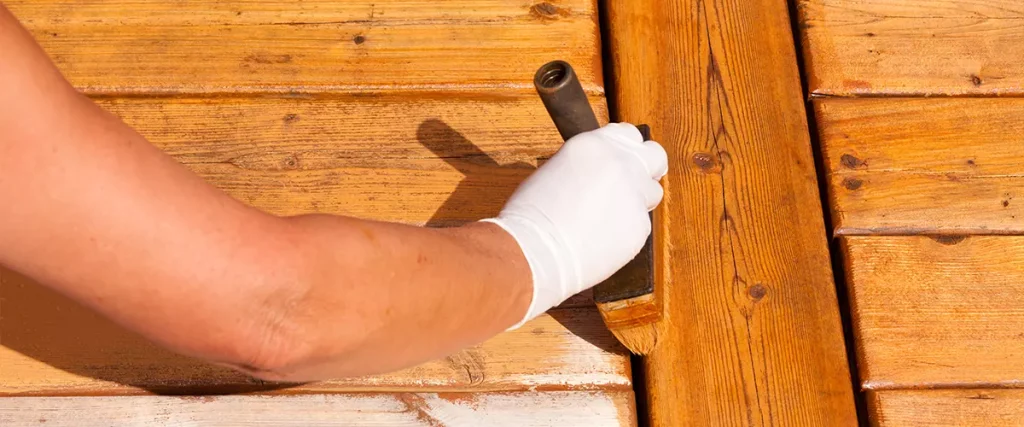
You must understand how to properly maintain and protect your decks and fences to keep them looking great and lasting longer. Painting can enhance the appearance of your outdoor spaces, but using the wrong techniques or materials can lead to peeling, moisture damage, and costly repairs. By knowing the differences between stains and paints, and how to prepare and care for your wood surfaces, you can ensure your investment withstands Winnipeg’s unique weather conditions. Proper care will provide lasting beauty and protection for your home’s exterior. For expert guidance, visit Lakeside Painters.
Key Takeaways:
- Staining highlights the natural beauty of wood by enhancing its grain and texture, offering a warm, organic look with options ranging from transparent to solid colours.
- Paint provides a solid, uniform finish that hides imperfections and offers longer-lasting protection by fully sealing the deck surface, though it requires more extensive preparation and upkeep.
- Stained decks require periodic maintenance to reapply stain and maintain protection, while painted decks may demand more effort for touch-ups and repairs due to chipping and peeling over time.
The Artistic Vision: Choosing the Right Finish for Your Deck and Fence
The Allure of Natural Grain: Benefits of Staining
Staining your deck or fence allows the natural wood grain to take center stage, showcasing textures and knots that paint would conceal. With options ranging from transparent to solid stains, you can enrich your wood’s warmth and character while preserving its authentic appeal. This finish also lets the wood breathe, enhancing longevity by reducing peeling and cracking. For homeowners who appreciate subtle elegance and want to highlight natural details, stain delivers a look that ages gracefully with minimal effort.
Bold Statements: The Power of Paint in Home Aesthetics
Choosing paint gives you the freedom to introduce virtually any colour you desire, enabling a bold or classic statement that complements your house’s exterior. Painting forms a solid, uniform coat that masks imperfections and provides an opaque, polished look. This finish is ideal if you want a dramatic transformation or need to conceal flaws in older decking or fencing materials.
Expanding on this, paint’s ability to fully seal the wood surface means it offers superior protection against moisture and UV damage, often lasting longer between maintenance cycles than stain. However, this protection comes with more involved preparation, including scraping, sanding, and priming, to ensure lasting adhesion. If you opt for paint, anticipate occasional touch-ups to address chipping or peeling, especially in Winnipeg’s variable climate. Painting is particularly effective for decks that have already been painted before, maintaining a vibrant, clean look without exposing underlying wood inconsistencies.
Weather Warriors: Understanding the Protective Qualities of Stain vs. Paint
Shielding Against the Elements: How Each Finish Holds Up
Stain penetrates deeply into wood pores to repel moisture and block UV damage while allowing the wood to breathe, which helps prevent cracking and peeling. Paint, however, forms a hard, impermeable layer over the surface, fully sealing the wood against moisture intrusion but at the risk of trapping it underneath if not applied or maintained properly. For Winnipeg’s harsh winters and fluctuating seasons, stain’s flexibility often handles expansion and contraction better. At the same time, paint offers a more rigid shield that can last longer if the surface stays intact.
The Lifespan of Protection: Longevity Insights for Homeowners
Stain typically requires reapplication every 1-3 years, fading gracefully under sunlight instead of peeling, making upkeep less intensive but more frequent. Paint can last 5-7 years or longer, depending on prep and environmental conditions, but demands more effort during maintenance, including stripping and sanding failed areas to prevent uneven surfaces or moisture damage.
In practical terms, if your deck sees heavy use and exposure, applying solid stains can balance protection with easier upkeep, especially given Winnipeg’s sun and snow cycles. Paint’s longer lifespan can prove economical, but only if you invest time in proper surface preparation—skipping these steps often leads to premature paint failure. Selecting a finish depends on your tolerance for maintenance and whether you prefer a deep, natural look or a durable, uniform colour that stands up against frost and rain.
Maintenance Madness: Navigating Upkeep after the Finish is Applied
Stain Maintenance: A Breezy Approach to Preservation
You’ll find stain maintenance relatively straightforward since stain absorbs into the wood rather than sitting on top. Over time, your deck’s colour will gently fade due to sunlight exposure, giving it a natural, weathered look that many homeowners appreciate. A simple cleaning followed by reapplication every 1 to 3 years keeps your deck protected without heavy scraping or sanding. This approach lets the wood breathe, cutting down on peeling or cracking, and keeping upkeep manageable even with Winnipeg’s changing weather conditions.
Paint Maintenance: The Burden of Frequent Touch-Ups
Paint demands more hands-on care because it creates a solid barrier that, while protective, is prone to chipping and peeling over time. You might find yourself sanding rough patches and addressing flaking spots regularly to keep the surface clean and even. Fresh touch-ups every few years become vital to prevent moisture from sneaking underneath and causing damage. Painted decks often require full repainting every 5 to 7 years, depending on exposure and how well the surface was prepped initially.
Delving deeper, paint’s rigidity can quickly turn from an asset to a headache. Its impermeable coating traps moisture if any cracks develop, accelerating wood deterioration beneath the surface. The prep work before repainting—scraping, sanding, priming—can become labor-intensive and costly if you let maintenance slide. For many Winnipeg homeowners, this means staying on a consistent schedule to avoid expensive repairs and preserve the deck’s appearance. When done correctly, paint offers vibrant colours and long-lasting coverage, but the maintenance trade-off means you have to be ready for periodic, sometimes demanding touch-ups to keep your deck looking its best.
Environmental Impact: The Eco-Conscious Choice
Low-VOC Options: What Homeowners Need to Know
Low-VOC (volatile organic compound) stains and paints have become more widely available, helping reduce harmful emissions during application. Choosing low-VOC or zero-VOC products not only protects your family’s health but also minimizes environmental pollution. These options often perform just as well, providing durable protection with significantly fewer toxins released into the air. When opting for your deck finish, look for certifications or labels indicating low VOC content to ensure a safer, greener home improvement project.
Sustainability of Materials: Stain vs. Paint in the Eco-Context
Stains typically use fewer synthetic chemicals and contain more natural oils, making them generally more biodegradable than paints. Paints often include heavy pigments and binders that can linger in the environment longer. Plus, stains require more frequent reapplication, but the maintenance process involves less aggressive stripping methods compared to paint, which needs thorough scraping and chemical removers that pose environmental risks.
Analyzing lifecycle impacts, stain’s ability to penetrate wood allows it to protect without forming a thick barrier, reducing the volume of material used per project. Paint’s heavier coverage often translates to greater resource consumption and waste during stripping or repainting cycles. Additionally, many high-quality stains harness natural oils like linseed or soy, which break down more easily after disposal. Paints, especially oil-based or conventional formulas, can contain volatile solvents and additives that persist in ecosystems. Your choice directly affects not only local air quality during application but also soil and water health over time.
Cost Considerations: Budgeting for Your Deck and Fence Project
Upfront Costs: Expense Breakdown for Stain vs. Paint
Staining an old deck generally costs less upfront than painting, with average material prices ranging from $30 to $60 per gallon for quality stains, which often cover larger surface areas. Paint tends to be more expensive, averaging $40 to $70 per gallon, and requires additional primer and preparation materials like sandpaper and scraping tools. Labor costs can also rise for paint jobs due to the extra surface prep involved. You can expect staining projects to typically run about 20-30% less in initial expenses compared to painting, but keep the long-term requirements in mind.
Long-Term Investment: Evaluating Total Cost of Ownership
Painting offers longer-lasting surface protection, often extending 5-7 years before needing a full repaint, potentially saving you time and money over multiple seasons. Stains, while cheaper upfront, generally require recoating every 1-3 years to maintain effectiveness, which adds cumulative costs for materials and labor. Factoring in these maintenance cycles is necessary to understand the total cost of ownership.
The ongoing maintenance costs heavily influence which option makes better financial sense for your deck. For example, if your deck typically needs staining every two years at about $300 per session, you’ll spend roughly $900 over six years. Painting might cost $600 upfront, but it might only require touch-ups within that timeframe, keeping maintenance lower. Additionally, extensive paint preparation, such as sanding and priming, can add to labor expenses, especially if you need professional help. Evaluating your willingness to invest time, effort, and money repeatedly versus a higher upfront outlay with longer intervals between updates helps you choose the best option tailored to your budget and lifestyle.
The DIY Dilemma: When to Hire a Pro vs. Do It Yourself
Skill Assessment: Gauging Your Ability for the Task
Assessing your comfort level with prep work like sanding, scraping, and priming is key before tackling deck painting or staining. If you’ve handled similar projects requiring attention to detail and patience, you might manage staining or painting a small deck successfully. However, uneven application, missed spots, or improper surface preparation can lead to premature wear or peeling. For decks larger than 200 square feet or if you lack experience with wood repairs, the project quickly becomes complex and time-consuming, making a professional’s expertise worth considering.
Professional Touch: Benefits of Hiring Industry Experts
Industry professionals bring specialized tools and techniques that ensure a smoother, longer-lasting finish. Expert painters typically follow a detailed multi-step process including thorough cleaning, power washing, sanding, priming, and applying multiple coats. Their experience helps prevent common pitfalls such as flaking paint, trapped moisture, or uneven stain penetration. This results in a deck surface that resists weathering, extends the lifespan of the wood, and enhances curb appeal — outcomes tough to replicate with a one-time DIY effort.
Beyond just appearance, professionals often identify hidden wood damage or structural issues during prep that many homeowners overlook. This proactive approach can prevent costly repairs down the line. Also, industry painters use high-grade materials suited for Winnipeg’s climate, protecting against freeze-thaw cycles and intense UV exposure. Considering that painting alone can extend maintenance intervals by several years, hiring an expert often offers better value and peace of mind, especially for decks exposed to harsh conditions.
Seasonal Timing: Optimal Conditions for Painting and Staining
Weather Must-Dos: The Best Seasons for a Perfect Finish
Spring through early fall offers the most favourable conditions for painting or staining your deck and fence. Aim for temperatures between 50°F and 85°F, with low humidity levels below 50%, to ensure proper drying and adhesion. Avoid rainy days and apply coatings when the wood is dry—moisture trapped beneath fresh paint or stain can lead to peeling or mildew. Late summer or early fall can be ideal since sunlight is less intense, reducing UV-related fading. Planning your project during these windows maximizes longevity and keeps your deck looking sharp year-round.
Timing Techniques: How to Prepare Your Surfaces Before Application
Surface preparation directly impacts how well paint or stain bonds to your deck. Begin by thoroughly cleaning with a deck cleaner or mild detergent to remove dirt, grime, and mildew. Pressure washing can be effective, but it must be done gently to avoid wood damage. After cleaning, let the wood dry completely—this can take 24 to 48 hours, depending on the weather. Sanding smoothes rough areas and removes any flaking paint or stain, ensuring even absorption. Proper preparation prevents peeling and extends the coating’s lifespan significantly.
Delving deeper into surface prep, sanding is necessary, especially on older decks with cracked or blistered paint. Start with medium-grit sandpaper (around 80-grit) to strip damaged layers, then finish with fine-grit (120-150) for a smooth finish. This creates an ideal texture for stains to penetrate or paint to adhere. Any loose nails or splinters should be fixed beforehand to avoid future issues. Using a wood brightener post-sanding can restore the natural pH balance, optimizing stain absorption. Skipping these steps often results in premature failure, which means more work and expense down the line.
Transformational Trends: Styling Your Outdoor Space
Current Trends in Deck and Fence Finishes
Natural and earthy tones continue to dominate deck and fence finishes, with semi-transparent stains in greys, cedar reds, and soft browns gaining popularity for preserving wood’s authentic texture. Bold solid stains in navy and forest green offer an unexpected twist while maintaining a refined look. Matte and low-sheen finishes are preferred to avoid glare and enhance the organic appearance. You’ll also find increased use of eco-friendly, low-VOC products that balance durability with environmental responsibility, perfect for Winnipeg’s climate variations and protecting wood from moisture and UV damage.
Inspiring Design Ideas to Elevate Your Outdoor Areas
Layering decking with built-in seating or planter boxes stained in complementary tones adds both function and style, creating inviting, cohesive spaces. Contrasting painted fence panels – such as a crisp white fence paired with stained deck boards in warm walnut – frame outdoor living zones beautifully. Integrate lighting fixtures with natural wood finishes or metal accents to enhance ambiance and highlight textures. Adding mixed materials, like stone or metal railing accents alongside stained wood, brings modern sophistication that aligns with current design movements.
Diving deeper into design, combining staining and painting techniques can unlock creative potential. For example, staining your deck’s horizontal surfaces while painting the vertical supports in a coordinating solid colour adds depth and visual interest without overwhelming the natural wood grain. Using darker stains on floors paired with lighter painted fence slats creates contrast that visually expands smaller yards. Incorporating built-in storage benches stained to match or complement your deck reduces clutter and doubles as stylish seating. Lighting plays a pivotal role, too—low-voltage LED strips beneath railings or along stairs not only improve safety after dark but transform your deck into an elegant retreat. Paying attention to these layered elements helps you craft an outdoor space that’s not only practical but uniquely yours.
Conclusion
Drawing together what you need to know about painting decks and fences in Winnipeg, it’s important to weigh your priorities between appearance, protection, and maintenance. If you want to showcase natural wood grain while allowing it to breathe, staining may be best for your deck or fence. However, if you prefer a solid, long-lasting, and uniform finish with fewer touch-ups, painting could be the right choice. Understanding these differences helps you make informed decisions that enhance your outdoor spaces. For expert guidance tailored to your project, visit Lakeside Painters.
FAQ
Q: What are the main differences between staining and painting my deck?
A: Staining enhances the natural grain and texture of the wood, offering a warm, organic look with options ranging from transparent to solid. It penetrates the wood, allowing it to breathe and providing protection against moisture and UV damage, although it requires recoating every 1-3 years. Painting, conversely, provides a solid, uniform coverage that can hide imperfections and comes in unlimited colors. It seals the wood’s surface completely, offering longer-lasting protection, but requires more extensive preparation, such as sanding and priming, and can be prone to chipping and peeling over time.
Q: How often will I need to maintain my painted or stained deck in Winnipeg’s climate?
A: Maintenance frequency varies depending on whether your deck is painted or stained. Stained decks generally require recoating every 1 to 3 years to maintain protection and appearance, as stains tend to fade gradually but do not peel. Painted decks typically last longer between coatings, but when paint fails, it often requires more labor-intensive upkeep such as scraping, sanding, and full repainting. Weather conditions in Winnipeg, including seasonal temperature changes and moisture, make regular inspection and timely maintenance key to prolonging your deck’s lifespan.
Q: Can I paint over an old stained deck, or should I strip it first?
A: If your deck is currently stained and you want to paint it, it’s important to strip any existing stain thoroughly before applying paint. Paint adheres best to a clean, bare wood surface. Without proper stripping, paint may not adhere correctly and can peel prematurely. Due to the extra preparation involved in painting, many homeowners choose to continue staining if their deck is currently stained, as it usually requires less prep work and better maintains the wood’s natural texture and breathability.