
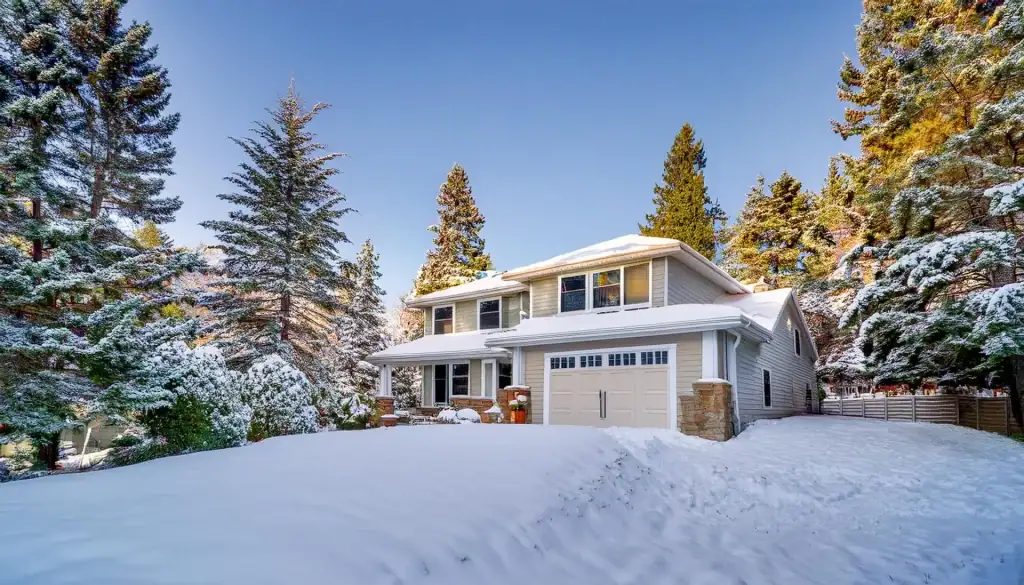
As the chill of winter sets in, many homeowners might wonder if it’s possible to tackle exterior painting projects during the colder months. While spring and summer are typically considered ideal for painting, it’s essential to know that winter does not eliminate the opportunity to rejuvenate your home’s appearance. With advancements in paint technology and proper planning, painting your home in winter is not just a possibility but a viable option. This guide delves into the feasibility and considerations of winter exterior painting, offering insights into what makes it possible and how to do it successfully.
Understanding the Weather: Is Winter Painting Feasible?
Painting during winter is counterintuitive due to the cold temperatures, shorter days, and unpredictable weather patterns. However, with a strategic approach, it can be done effectively. The key is understanding the limitations and possibilities:
- Temperature Factors: Most paints require a minimum temperature to dry and cure properly. The general rule is to avoid painting in conditions below 35°F (1.6°C), though some cold-weather paints can be applied at slightly lower temperatures. Monitoring weather forecasts and choosing milder days can help ensure the paint adheres and cures correctly.
- Moisture and Humidity: Winter often brings increased moisture, whether from snow, rain, or humidity. It’s crucial to paint on dry days and ensure surfaces are free from ice and frost. Proper surface preparation, such as cleaning and de-icing, is essential to prevent moisture from getting trapped under the paint, which can lead to peeling or bubbling.
- Daylight Hours: With shorter daylight hours, planning is essential. Start painting early in the day to maximize available light and give the paint enough time to dry before temperatures drop in the evening.
Choosing the Right Paint for Cold Weather
Not all paints are created equal when it comes to enduring winter conditions. Selecting the right type is crucial for a successful project:
- Cold-Weather Paints: These are specifically formulated to cure at lower temperatures. They contain special additives that help maintain flexibility and adhesion even when the mercury drops. Always check the manufacturer’s guidelines for temperature ranges and application instructions.
- Oil vs. Latex Paints: Oil-based paints are generally more resistant to temperature variations and provide a durable finish. However, they can be challenging due to more extended drying and strong odors. Latex paints, however, are easier to apply and clean up but require careful selection to ensure they are suited for cold conditions.
Preparing Your Home’s Exterior for Winter Painting
Preparation is key to any successful painting project, more so during winter. Proper preparation can mean the difference between a long-lasting finish and one that quickly deteriorates:
- Surface Cleaning: Ensure surfaces are clean and free from dirt, grime, and mildew. Use a pressure washer on days when temperatures are above freezing, and allow surfaces to dry completely before painting.
- Repair and Prime: Address any damage, such as cracks or peeling paint. Sand down rough areas and apply a suitable primer to improve paint adhesion and durability.
- Timing and Planning: Plan your painting project around the weather. Focus on one section at a time to ensure you can complete each area within the suitable weather window.
Challenges and Solutions of Winter Painting
Winter painting comes with its set of challenges, but with the right approach, these can be managed effectively:
- Paint Curing: Cold temperatures can slow the curing process, affecting the paint’s durability. To combat this, use heaters or windbreaks to maintain a more stable temperature around the paint surface.
- Increased Drying Time: Be prepared for extended drying times, affecting scheduling and the project’s overall timeline. Adjust expectations and plan for potential delays.
- Safety Considerations: Working outdoors during winter poses safety risks, such as slippery surfaces and cold exposure. Ensure proper gear and precautions, such as non-slip shoes and warm clothing, are in place.
Benefits of Painting Your Home’s Exterior in Winter
While challenging, painting during winter can offer unique advantages:
- Cost Savings: Winter is typically the off-season for painters, which might result in lower labor costs and discounts on materials.
- Scheduling Flexibility: With fewer projects occurring during winter, contractors may have more availability, allowing for more convenient scheduling.
- Improved Curb Appeal by Spring: Completing your project in winter means your home will be ready to impress when the flowers bloom in spring, enhancing your property’s curb appeal.
Painting your home’s exterior in winter is not just a possibility but a rewarding endeavor with the proper preparation and approach. By understanding the environmental challenges, selecting appropriate materials, and planning strategically, you can successfully transform your home’s exterior even in the colder months. Whether you’re looking to freshen up your home’s appearance or prepare it for sale, winter painting can provide a fresh start against the backdrop of a snowy landscape. Embrace the season and let your home shine all year round.
FAQ
Can painting my home’s exterior in winter actually work, or is it a recipe for disaster?
Painting your home’s exterior in winter is possible, but it’s not without risks—cold temperatures and moisture can cause paint to cure slowly, crack, or even change color, leading to disappointing results if you don’t use the right products and techniques. However, with specialty cold-weather paints and careful timing, you can achieve a durable finish even in the chill of winter.
What’s the most overlooked factor when painting outside in cold weather?
Many people focus on air temperature, but the temperature of the surface (the substrate) is just as critical—if the wall or siding is colder than the air, paint may not adhere or cure properly, even if the forecast looks favorable. Always check both air and surface temperatures before starting your project.
Are there paints that can withstand winter’s chill, or should I just wait for spring?
Advances in paint technology have produced exterior paints that can be applied at temperatures as low as 35°F (1.6°C), such as certain acrylic and alkyd-based formulas from brands like Benjamin Moore and Sherwin-Williams. These paints are designed to resist moisture, cracking, and fading, making winter painting feasible if you choose wisely.
How does winter weather secretly sabotage a paint job, even if everything looks fine at first?
Winter’s fluctuating temperatures and high humidity can cause paint to dry unevenly, leading to issues like blistering, peeling, or surfactant leaching (streaky, drippy marks) that may not appear until after the next thaw. The first 48 hours after painting are especially critical—if temperatures drop too low or moisture forms, your hard work could be undone.
What creative strategies can help ensure a successful winter exterior paint job?
To ensure a successful winter exterior paint job, approach the project with both creativity and caution. Paint during the warmest part of the day—late morning to mid-afternoon—to maximize drying time and improve adhesion. Check surfaces with a moisture meter to make sure they’re dry, which helps prevent peeling or blistering. Apply thin coats and allow at least 24 hours between layers for proper drying. Choose paints formulated for cold weather, especially those with moisture- or frost-resistant additives. Consulting experienced professionals can also help with product selection and timing. With these strategies, you can confidently transform your home’s exterior even in winter.

Tyler is a highly motivated and hardworking individual with an entrepreneurial mindset and a genuine passion for people. He is currently pursuing a Bachelor of Commerce (Honours) degree, majoring in Marketing and Small Business/Entrepreneurship.
As the owner of Lakeside Painters, a Winnipeg-based painting company serving Winnipeg and surrounding cottage country regions, Tyler has gained hands-on experience in business ownership, customer service, sales, and project management. Lakeside Painters specializes in high-quality residential and commercial painting services, including interior painting, exterior painting, wood staining, and stucco coating, with a strong focus on professionalism, attention to detail, and customer satisfaction.
With an energetic and optimistic attitude, Tyler thrives in team environments and is willing to take on challenges in fast-paced, high-pressure settings. He brings strong problem-solving abilities, excellent communication skills, and a natural ability to connect with and understand others—skills he has developed through previous sales roles and his experience building Lakeside Painters.