
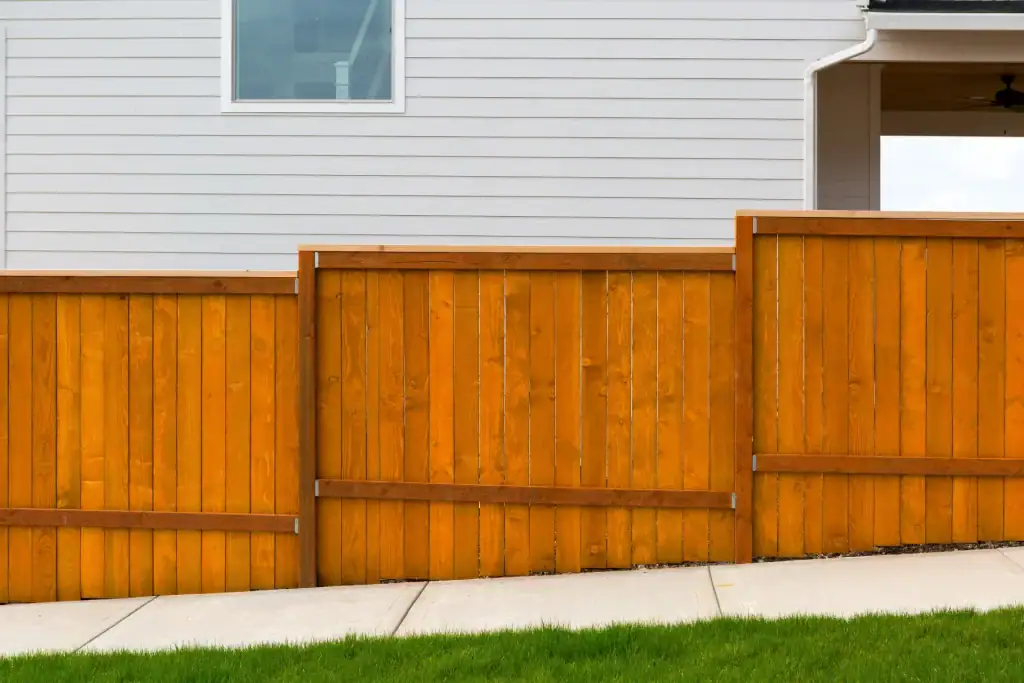
Cedar is one of the most beautiful exterior wood choices for Winnipeg homes.
It has warmth, texture, and natural character that can make siding, decks, and fences stand out in the best way. When cedar is properly cared for, it can give a home a rich, welcoming look that complements both older properties and newer builds.
But Winnipeg’s weather is not easy on exterior wood.
Sun, snow, rain, wind, and freeze-thaw changes can all wear down cedar over time. A deck that once looked warm and even can start to look grey. A fence may fade unevenly. Cedar siding can develop patches, water staining, or areas where the old finish is no longer protecting the wood.
When that happens, many homeowners start looking into wood staining Winnipeg services and ask the same question:
Should the old finish be stripped first, or can the cedar simply be re-stained?
The answer depends on the condition of the wood, the type of existing stain, the level of wear, and the look you want to achieve. Re-staining can work well in some cases, but stripping is the better option when the old finish is failing, uneven, or blocking the new stain from bonding properly.
This guide explains how to tell the difference before starting a cedar siding, deck, or fence staining project in Winnipeg.
Why Cedar Needs Proper Stain Care
Cedar is naturally appealing, but it still needs protection.
Outdoor cedar faces moisture, UV exposure, foot traffic, dirt, snow, and seasonal movement. Without the right finish, cedar can fade, dry out, absorb water, and lose its original color.
Stain helps protect cedar while allowing the wood’s natural texture to remain visible. Unlike paint, which covers the surface with an opaque layer, many stains soak into the wood or create a finish that still lets the grain show through.
That is one reason homeowners choose cedar in the first place. They usually do not want to hide the wood. They want to highlight it.
A good staining project can help:
Refresh faded cedar
Improve curb appeal
Reduce moisture absorption
Slow UV-related fading
Even out the color
Protect decks, fences, and siding
Bring warmth back to outdoor wood
But the result depends heavily on surface preparation.
If the old stain is still doing its job, re-staining may be enough. If the old coating is peeling, blotchy, too dark, or no longer bonding, stripping may be needed first.
What Re-Staining Means
Re-staining means applying a new coat of stain over a properly cleaned and prepared cedar surface without fully removing the old finish.
This can be a good choice when the existing stain is still sound and compatible with the new stain.
For example, a cedar fence may be faded from the sun but still have an even surface. A deck may look dry but not have peeling, heavy build-up, or patchy coating failure. Cedar siding may need a color refresh, but it is still in stable condition.
In those cases, the wood may only need cleaning, light prep, and a fresh coat.
Re-staining is often less labor-intensive than stripping. It can also be a smart way to maintain cedar before it becomes badly weathered.
The key is timing.
If you re-stain while the previous finish is still in fair condition, you can often avoid heavier prep later. Waiting too long can cause the finish to break down, potentially requiring stripping.
For wood staining projects in Winnipeg, regular maintenance can make a major difference. Winnipeg’s climate can shorten the life of exterior finishes, especially on decks and south-facing surfaces. Keeping up with re-staining before the wood is fully exposed can help preserve the cedar’s appearance and performance.
What Stripping Means
Stripping means removing the existing stain or coating before applying a new finish.
This is usually done when the old stain is failing, uneven, incompatible, too thick, or preventing the new stain from penetrating properly.
Stripping may be needed when cedar has:
Peeling stain
Flaking finish
Heavy build-up
Dark blotches
Uneven colour
Old, solid stain that is failing
A previous coating that is unknown
Areas where the stain will not absorb
A color that needs to be changed significantly
Stripping gives the project a cleaner starting point.
It can help remove old product from the surface so the new stain can bond or absorb more evenly. This is especially important when switching stain types or trying to lighten cedar that has become too dark.
However, stripping is more involved than re-staining. It requires careful handling, proper cleaning, and the right cedar treatment process. Wood can be damaged if aggressive methods are used without care.
Cedar is softer than some other exterior woods. That means heavy sanding, harsh pressure washing, or poor stripping methods can roughen the grain, leave marks, or create an uneven surface.
A skilled approach matters.
Why Winnipeg Weather Makes This Decision Important
Winnipeg’s climate can be hard on cedar.
Exterior wood expands and contracts with seasonal changes. Snow and ice sit against decks and fence bases. Spring melt adds moisture. Summer sun can dry out the surface and fade the color. Fall brings more moisture and temperature swings.
This cycle affects cedar siding, decks, and fences differently.
Decks often wear faster because they get foot traffic, patio furniture movement, snow shoveling, rain, and direct sun. Horizontal surfaces usually take more abuse than vertical ones because moisture can sit on them longer.
Fences may fade unevenly depending on sun exposure. One side may look dry and grey while the other side still holds color. Fence posts and lower boards can also be affected by soil moisture, sprinklers, or snow build-up.
Cedar siding may last longer than decks or fences, but it still needs care. Areas near rooflines, windows, and landscaping can stain or weather faster. South- and west-facing walls often fade sooner due to sun exposure.
Because each surface wears differently, the strip-or-re-stain decision should be made after a close inspection of the actual wood.
A deck, fence, and siding on the same property may not all need the same treatment.
When Re-Staining Cedar Is Usually Enough
Re-staining may be enough when the existing finish is still stable.
If the wood looks faded but not damaged, a new stain coat may bring back color and protection without full stripping.
This is often the case when cedar has been maintained on a reasonable schedule. The finish may be thinner than before, but it has not failed badly. The wood may look dry, but it is not covered in peeling or flaking stain.
Re-staining may work when:
The color is faded, but even
The old stain is not peeling
Water still absorbs somewhat evenly
There is no heavy product build-up
The surface is cleanable
The new stain is compatible with the old one
You are staying close to the same colour
The cedar is not badly greyed or blotchy
This option is often used for maintenance staining.
For example, cedar siding that has lost some richness may simply need cleaning and re-staining. A fence that has faded from the sun may be refreshed if the previous stain is not failing. A deck may be re-stained if the surface is worn but not coated with peeling layers.
The main benefit is that re-staining can protect the wood before bigger problems develop.
When Cedar Should Be Stripped First
Stripping is usually the better choice when the existing stain is no longer a good base for the new finish.
If the old coating is peeling, flaking, shiny in some spots, bare in others, or unevenly built up, applying more stain over it can make the problem worse.
New stain needs a suitable surface. If the old finish blocks absorption or is no longer bonded to the wood, the new stain may not last.
Stripping may be needed when:
The stain is peeling or flaking
The surface has dark, uneven patches
The wood has a heavy old stain build-up
The finish looks glossy or sealed in some areas
The previous product is unknown
You want to switch from a dark color to a lighter one
You want to change the stain type
The deck has worn traffic paths and coated edges
The fence has uneven sun fading and old coating layers
The siding has a patchy finish failure
Stripping can also help when cedar has been over-stained.
Sometimes homeowners apply stain too often or use a product that builds up on the surface. Instead of soaking in, the stain starts sitting on top of the wood. Over time, this can lead to peeling, tackiness, uneven sheen, or poor drying.
In those cases, adding another coat is not the solution. The old build-up needs to be addressed first.
Cedar Siding: Strip or Re-Stain?
Cedar siding is often a major feature of a home’s exterior, so the finish needs to look even and natural.
Because siding is vertical, it may not wear as quickly as a deck. Still, it can fade from sun exposure, collect moisture near edges, and show staining under windows or rooflines.
Restaining cedar siding may be enough if the existing stain is even and still bonded well. A good cleaning and proper prep can help the new stain refresh the color without stripping everything down.
Stripping may be needed if the siding has peeling stain, uneven dark patches, or old coatings that no longer accept stain properly.
Color change is another factor.
If you want to keep the same color or go slightly darker, re-staining may be possible. If you want to go much lighter, stripping is often needed because the old color can show through.
Cedar siding also has grooves, edges, and texture that can hold an old finish. That makes careful prep important. Rushing the job can leave uneven results, especially on large wall sections where color differences are easy to see.
For wood staining Winnipeg projects involving cedar siding, the best approach is usually to inspect each side of the home. One wall may need more prep than another because sun, wind, and moisture exposure are not always equal.
Cedar Decks: Strip or Re-Stain?
Cedar decks often need the most attention because they deal with heavy use and direct weather exposure.
Foot traffic wears down the stain in walking paths. Patio chairs can scrape the surface. Snow and rain sit on the boards. The sun can quickly fade horizontal surfaces.
A deck may look uneven because some areas are bare while others still have an old stain. This is common around railings, edges, and shaded sections.
Re-staining may work if the deck is only lightly faded and the old stain is still wearing evenly. In that case, cleaning and re-staining can refresh the wood and add protection.
Stripping is more likely needed when:
Traffic areas are bare, but the edges still have heavy stains
The old stain is peeling
The boards look blotchy
Water beads in some spots but absorbs in others
The deck has multiple layers of old product
The color is too dark and needs to be changed
The finish feels sticky, shiny, or uneven
Decks need special care because poor preparation can lead to patchy results.
If old stain remains in some areas and not others, the new stain may absorb unevenly. That can leave the deck with light and dark patches, even after a fresh coat.
A professional review can help determine whether cleaning and re-staining are enough or whether stripping will create a better starting point.
Cedar Fences: Strip or Re-Stain?
Cedar fences can be tricky because they weather unevenly.
One side may face the sun all day while the other side stays shaded. Sprinklers, soil contact, garden beds, and snow piles can affect the lower boards. Fence tops may dry out faster than vertical boards.
Re-staining may be enough if the fence is faded but still even and free from peeling. This can restore color and make the fence look warmer and more finished.
Stripping may be needed if the fence has old stain build-up, peeling sections, grey weathering under a failing coating, or uneven color from past staining attempts.
Fences also have many edges, boards, gaps, and posts. These details can make prep time longer than homeowners expect.
A fence that looks simple from a distance may need more work up close.
For wood staining services in Winnipeg, cedar fences should be checked for both appearance and condition. Loose boards, damaged sections, and moisture-prone areas should be addressed before staining.
Staining over dirt, algae-like marks, or loose old finish will not give a lasting result.
How to Check If Cedar Is Ready for Re-Staining
Before deciding, look closely at the cedar.
Start with the color. Is it faded evenly, or is it blotchy? Even fading is often easier to re-stain. Blotchy fading may mean the old finish has failed unevenly.
Next, look for peeling or flaking. If the old stain is lifting, the new stain will not fix it. The loose finish needs to be removed.
Then check absorption. If water soaks into some areas but beads up in others, the surface may not accept stain evenly. That can point toward stripping or heavier prep.
Touch the surface. If it feels sticky, slick, powdery, or rough in patches, more prep may be needed.
Look at corners, board ends, railings, steps, fence bottoms, siding edges, and shaded areas. These spots often reveal the true condition of the finish.
A quick street-level glance is not enough.
Cedar can look acceptable from far away, but show serious finish failure up close.
Why Cleaning Is Always Part of the Process
Whether cedar is stripped or re-stained, cleaning is important.
Exterior wood collects dust, pollen, dirt, mildew-like staining, pollution, and residue from old finishes. Stain needs a clean surface to work properly.
Cleaning helps remove surface contaminants, allowing the finish to bond or absorb more evenly.
However, cleaning cedar requires care.
Too much pressure can damage the wood. Cedar is softer than many people realize. Aggressive pressure washing can raise the grain, leave lines, or create a rough surface that looks uneven after staining.
The right cleaning method depends on the surface condition.
A lightly faded fence may need a different cleaning approach than a deck with an old, failing stain. Cedar siding may need careful washing to avoid forcing water behind boards or into vulnerable areas.
Good cleaning supports a better finish, but it should not damage the wood in the process.
Why Sanding Is Not Always the First Answer
Some homeowners assume sanding is the best way to fix cedar before staining.
Sanding can be useful in certain areas, especially for rough boards, splinters, or small patches where old finish remains. But sanding an entire cedar deck, fence, or siding project can be labor-heavy and may not always solve the main issue.
If the problem is old stain build-up, stripping may be more effective. If the issue is dirt and fading, cleaning may be enough. If the wood is rough after washing, light sanding may help prepare the surface.
The key is using sanding at the right time.
Over-sanding can change the texture of cedar and affect how the stain absorbs. Uneven sanding can cause blotchy color. Sanding without removing the old finish fully can still leave areas where the stain does not absorb well.
For cedar, prep should be chosen based on the surface, not habit.
Choosing the Right Stain for Winnipeg Cedar
The type of stain matters.
Different stains offer different levels of color, visibility, and protection. Some show more grain. Others provide stronger color coverage. Some penetrate more deeply, while others form more of a surface finish.
Common stain choices include:
Transparent stains
Semi-transparent stains
Semi-solid stains
Solid stains
Transparent and semi-transparent stains allow more wood grain to show. These are often chosen when homeowners want to highlight cedar’s natural look.
Semi-solid and solid stains provide more color coverage. They can help even out the appearance, but may hide more of the natural grain.
The right option depends on your goals and the condition of the cedar.
If the wood is in great shape and you love the natural look, a more transparent finish may be appealing. If the wood is older, uneven, or previously stained darker, a more pigmented option may make sense.
Winnipeg weather should also be considered. Decks and exposed surfaces may need a finish that can handle more wear.
Timing Your Cedar Staining Project
Timing matters for exterior staining.
Cedar should not be stained when it is too wet, too cold, too hot, or exposed to poor drying conditions. The wood needs to be dry enough to accept stain, and the weather needs to support proper curing.
In Winnipeg, the best staining season is usually when temperatures are moderate and the forecast is stable.
Rain before or after staining can affect results. High humidity can slow drying. Strong direct sunlight can cause the stain to dry too quickly on the surface. Cold temperatures can prevent proper curing.
This is one reason planning helps.
Waiting until the cedar looks severely worn can create a rush, but rushing exterior stain work can lead to poor results. A planned project gives more control over timing, prep, and product choice.
Common Mistakes Homeowners Make
One common mistake is staining over an old finish without checking whether it is still sound.
If the old stain is failing, the new stain may fail too.
Another mistake is choosing a color without testing it on cedar. Stain can look different depending on the wood’s age, porosity, and previous finish.
Some homeowners also apply too much stain. More products do not always mean more protection. Over-application can lead to sticky areas, uneven drying, or surface build-up.
Skipping cleaning is another problem. Dirt and residue can prevent the stain from working properly.
Using too much pressure during washing can also damage cedar.
The best results come from the right balance: clean the wood, repair issues, remove failing finish when needed, and apply the right amount of stain under the right conditions.
How Lakeside Painters Can Help
Lakeside Painters can help homeowners decide whether to strip or re-stain cedar before the project begins.
That decision matters because each option has different processes, costs, and outcomes.
A proper review can determine whether the existing finish is still a good base or needs to be removed. It can also help identify areas where the wood is damaged, too weathered, or likely to absorb stain unevenly.
For cedar siding, decks, and fences, Lakeside Painters can help with surface preparation, stain selection, and application to ensure a clean, well-matched finish.
Wood staining projects in Winnipeg should not be based on guesswork. Cedar is too visible, too valuable, and too weather-sensitive to treat every surface the same way.
The right plan can help protect the wood and enhance the property’s appearance.
The choice between stripping and re-staining depends on the condition of the cedar.
If the old stain is still stable, the colour is mostly even, and the wood only needs a refresh, re-staining may be enough.
If the finish is peeling, blotchy, too dark, built up, or blocking absorption, stripping is usually the better option.
Cedar siding, decks, and fences all weather differently. A deck may need stripping while the siding only needs re-staining. A fence may need extra preparation on one side due to sun exposure. Each surface should be reviewed separately.
For homeowners comparing wood staining options in Winnipeg, the best first step is to examine the cedar before choosing a product or color.
A successful stain project is not just about making cedar look good for a few weeks. It is about properly preparing the wood, choosing the right finish, and helping it stand up to Winnipeg’s changing weather.
With the right approach, cedar can stay warm, rich, and attractive for years.
FAQs About Wood Staining Winnipeg
What is the difference between stripping and re-staining cedar?
Stripping removes the existing stain or coating before a new finish is applied. Re-staining means applying a new stain after proper cleaning and preparation, without fully removing the old finish. Re-staining works when the old finish is stable, while stripping is better when the old finish is peeling, uneven, or built up.
How do I know if my cedar deck needs stripping?
Your cedar deck may need stripping if the old stain is peeling, flaking, sticky, glossy, blotchy, or worn unevenly. If traffic areas are bare but edges still have heavy stain, stripping may help create a more even surface before re-staining.
Can cedar siding be re-stained without stripping?
Yes, cedar siding can often be restained without stripping if the existing stain is still well-bonded and the color is fading evenly. If the siding has a peeling finish, dark patches, or old coating build-up, stripping may be needed first.
How often should cedar be stained in Winnipeg?
The timing depends on sun exposure, moisture, stain type, and surface use. Decks usually need attention sooner than siding because they receive more wear and tear. A yearly visual check can help you know when the cedar is fading, drying out, or losing protection.
Who should I call for wood staining services in Winnipeg?
Lakeside Painters can help with cedar siding, deck, and fence staining in Winnipeg. The team can review the wood, determine whether stripping or re-staining is the better option, and apply the right finish for your cedar surface.

Tyler is a highly motivated and hardworking individual with an entrepreneurial mindset and a genuine passion for people. He is currently pursuing a Bachelor of Commerce (Honours) degree, majoring in Marketing and Small Business/Entrepreneurship.
As the owner of Lakeside Painters, a Winnipeg-based painting company serving Winnipeg and surrounding cottage country regions, Tyler has gained hands-on experience in business ownership, customer service, sales, and project management. Lakeside Painters specializes in high-quality residential and commercial painting services, including interior painting, exterior painting, wood staining, and stucco coating, with a strong focus on professionalism, attention to detail, and customer satisfaction.
With an energetic and optimistic attitude, Tyler thrives in team environments and is willing to take on challenges in fast-paced, high-pressure settings. He brings strong problem-solving abilities, excellent communication skills, and a natural ability to connect with and understand others—skills he has developed through previous sales roles and his experience building Lakeside Painters.