
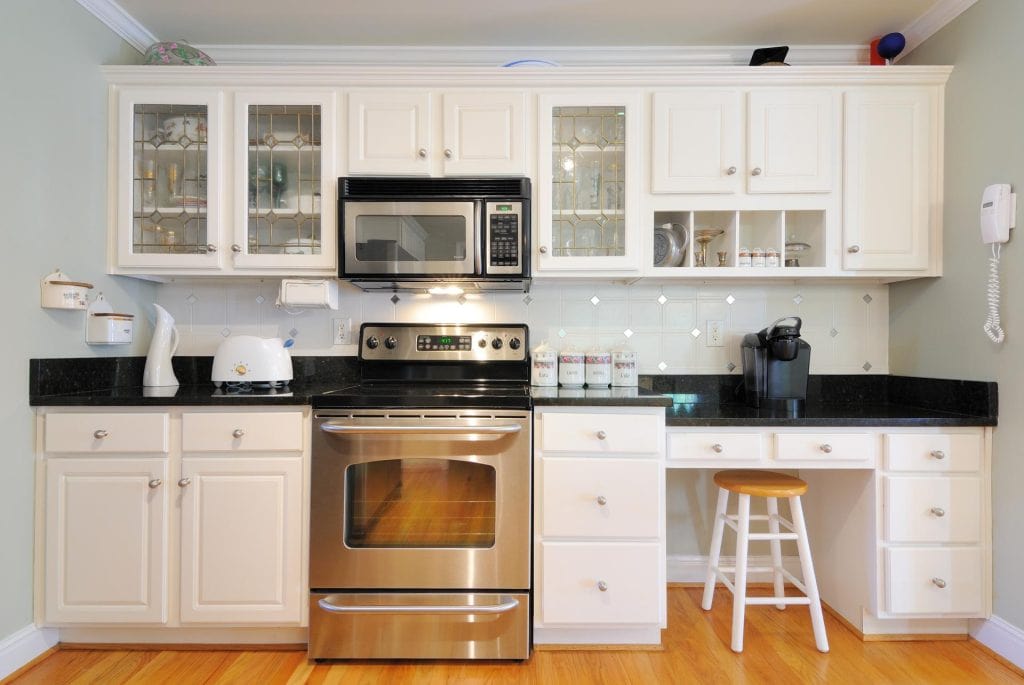
Kitchen cabinet painting is one of the most effective ways to refresh a kitchen without replacing the entire cabinet system.
A new cabinet color can brighten the room, modernize an older layout, and make the space feel cleaner and more current. For many Winnipeg homeowners, it is a practical way to update the heart of the home while keeping the existing cabinet boxes, doors, drawers, and layout.
But once homeowners start planning the project, one question usually comes up first:
What affects cabinet painting cost Winnipeg homeowners should expect?
The answer depends on several details. Kitchen size matters, but it is only one part of the price. The number of doors and drawers, cabinet condition, prep work, finish choice, color change, hardware removal, and application method can all affect the final cost.
Cabinet painting is not the same as painting a wall. Cabinets are touched every day. They collect grease, fingerprints, food residue, moisture, and buildup from cleaning products. They also have edges, panels, hinges, corners, and surfaces that require a smooth, durable finish.
That is why the cost is shaped by more than paint alone.
This guide explains the main factors that affect kitchen cabinet painting cost in Winnipeg, so you can plan your project with better expectations.
Why Cabinet Painting Costs Vary So Much
No two kitchens are the same.
One kitchen may have a small row of flat cabinet doors. Another may have upper cabinets, lower cabinets, an island, pantry doors, glass inserts, detailed trim, crown molding, and many drawers. Even if both kitchens are in Winnipeg, the work involved can vary greatly.
The biggest reason cabinet painting costs vary is that the job is labor-heavy
The visible painting stage is only one part of the process. A strong cabinet finish depends on cleaning, degreasing, sanding, repairing, priming, coating, drying, and careful reassembly.
Skipping those steps can make the project cheaper upfront, but it can also lead to peeling, rough texture, sticky doors, uneven sheen, or early wear.
For homeowners comparing cabinet painting cost options in Winnipeg, the lowest price is not always the best value. A cabinet finish needs to look good and hold up to daily use.
The Size of the Kitchen
Kitchen size is one of the first cost factors.
A larger kitchen usually means more cabinet surfaces to prepare and paint. More doors, drawers, panels, and boxes take more time, more materials, and more space to organize during the project.
However, size should not be measured solely by the room’s square footage.
A small kitchen can still have many cabinets. A larger kitchen may have fewer doors if it has open shelving or a simpler layout. That is why cabinet count often matters more than room size.
A kitchen with many individual pieces will usually take longer to install than one with fewer, larger doors.
The number of items that may need painting can include:
Cabinet doors
Drawer fronts
Cabinet boxes
End panels
Toe kicks
Crown moulding
Light rails
Island panels
Pantry doors
Decorative trim
Each piece needs handling, prep, coating, and drying time. That adds to the overall work involved.
Number of Cabinet Doors and Drawers
The number of doors and drawers is one of the clearest pricing factors.
Each cabinet door must usually be removed, labeled, cleaned, prepped, painted, dried, and reinstalled. Drawer fronts often need similar handling; if the kitchen has many small drawers, detailed panels, or specialty pieces, the labor increases.
A kitchen with 20 cabinet doors will generally be less involved than a kitchen with 45 doors and drawer fronts.
This matters because cabinet painting is a detail-oriented craft. The painter is not simply rolling one large surface. Each door has edges, faces, backs, corners, and sometimes grooves or raised panels.
Drawers may also need special care around pulls, edges, and high-touch areas.
The more pieces there are, the more time the project needs.
This is one reason professional cabinet painting estimates often start with a count of doors and drawers rather than a general room measurement.
Cabinet Condition Before Painting
The current condition of the cabinets has a major effect on cost.
Cabinets in good condition are usually easier to paint than cabinets with peeling finish, grease buildup, scratches, dents, water damage, or failing previous paint.
Older kitchen cabinets often need more prep before they are ready for coating. If the surface is dirty or glossy, paint may not bond properly. If there are chips or worn edges, those areas may need to be filled or sanded.
Common cabinet condition issues include:
Grease residue near the stove
Worn edges around handles
Watermarks near the sink
Scratches on drawer fronts
Peeling previous paint
Glossy factory finishes
Small dents or chips
Loose trim or panels
Old caulking gaps
Uneven previous touch-ups
The cost of cabinet painting for Winnipeg homeowners can increase when extra repair or prep is needed.
Good prep is not a place to cut corners. Cabinets take daily wear, so the coating needs a properly prepared surface.
Cleaning and Degreasing
Kitchen cabinets need deep cleaning before painting.
Even cabinets that look clean may still have oils, cooking residue, handprints, and cleaning product film on their surfaces. These residues can interfere with primer and paint adhesion.
This step is especially important near the stove, range hood, sink, garbage area, and most-used drawers.
If grease is not removed properly, the new finish may not bond as well. It may also develop uneven texture or fish-eye marks where the coating pulls away from contaminated spots.
A proper cleaning and degreasing process takes time, but it supports the entire finish.
This is one reason cabinet painting costs more than a basic interior paint project. The surface must be prepared for durability, not just appearance.
Sanding and Surface Preparation
Sanding is another key cost factor.
Cabinets often have a smooth or glossy finish that needs to be scuffed before primer is applied. This helps create a better bonding surface.
The amount of sanding depends on the cabinet material, the existing finish, and the cabinet’s condition.
Some cabinets may only need light sanding. Others need more work because the surface is rough, peeling, uneven, or previously painted poorly.
Sanding can also help smooth filled areas, worn edges, or imperfections.
However, sanding cabinets requires care. Too little sanding can affect adhesion. Too much sanding can damage veneer, edges, or detailed profiles.
This step is one of the reasons homeowners often choose Lakeside Painters instead of treating cabinet painting as a simple weekend project.
A clean, smooth finish starts long before the final coat.
Cabinet Material
The type of cabinet material can affect both prep and product choice.
Some cabinets are made from solid wood. Others may be wood veneer, MDF, laminate, or factory-finished materials. Each surface responds differently to sanding, priming, and painting.
Solid wood cabinets may have grain patterns that show through the finish. Some homeowners like that natural texture, while others want a smoother painted look.
MDF can be painted well when prepared properly, but edges may need special attention because they can absorb the product differently.
Laminate and slick factory finishes may need stronger bonding primers and more careful surface preparation.
The material affects how the finish should be built.
That can influence labor time, primer selection, coating choice, and overall cabinet painting cost, which Winnipeg homeowners should plan for.
Door Style and Cabinet Details
Cabinet door style also affects the price.
Flat-panel doors are usually easier to prep and paint than detailed raised-panel doors. Doors with grooves, trim, bevels, or decorative edges take more time because each detail must be cleaned, sanded, primed, and coated carefully.
Detailed doors can also collect more residue in corners and profiles.
A simple modern slab door may be faster to finish than an older door with recessed panels and ornate trim.
Cabinet details that can increase labor include:
Raised panels
Bevelled edges
Decorative grooves
Glass inserts
Crown moulding
Light rail trim
Open shelving
Built-in wine racks
Island panels
Detailed end panels
These features can look beautiful when painted well, but they require more attention.
A good cabinet finish should not have heavy paint build-up in corners or missed spots along edges.
Paint Color Change
The color you choose can affect the project.
A light-to-light color change is usually simpler than going from dark cabinets to white or off-white. Dark-to-light changes may require extra primer or additional coats to achieve full coverage.
Going from white to a deep color can also require care because darker finishes may show dust, brush marks, or imperfections more easily.
Color affects both appearance and process.
Popular kitchen cabinet colors often include whites, warm neutrals, soft greys, muted greens, deep blues, and darker accent tones. But the best color depends on the kitchen’s flooring, countertops, backsplash, wall color, lighting, and overall style.
A major color change can transform the kitchen, but it may also increase the amount of coating work needed.
For cabinet painting cost Winnipeg projects, color coverage should be considered before the estimate is finalized.
Primer Choice
Primer is a major part of cabinet painting.
Cabinets need strong adhesion, especially since they are often touched, opened, closed, and cleaned. Primer helps the finish bond to the surface and can also help block stains, wood tannins, and old color from showing through.
The right primer depends on the cabinet surface and the desired finish.
Some cabinets need a bonding primer. Others may need stain-blocking support. If the cabinets are wood and being painted a light color, primer selection becomes even more important.
Using the wrong primer can cause problems later.
The finish may chip, peel, or show discoloration. That is why a professional cabinet painting process includes choosing the right base layer, not just the final color.
Primer quality and application time can affect the cost, but they also affect the durability of the finished cabinets.
Paint and Finish Quality
Cabinet coatings need to be durable.
Regular wall paint is not usually the best choice for cabinets because they are subject to more handling, cleaning, and impact than walls. A cabinet finish should dry hard, clean well, and resist everyday wear.
Higher-quality products may cost more, but they can provide better long-term value.
The finish sheen also matters. Satin, semi-gloss, and similar durable finishes are often used because they can handle kitchen use better than flatter finishes. However, a higher sheen can reveal surface imperfections more easily, so prep needs to be stronger.
The product selected affects:
Durability
Washability
Smoothness
Dry time
Coverage
Odour level
Final appearance
Resistance to wear
Choosing the right coating is one of the most important decisions in the project.
A cheaper product can reduce upfront cost, but it may not hold up as well in a busy kitchen.
Spray Finish vs. Brush and Roller Finish
The application method can affect both cost and final appearance.
A sprayed cabinet finish can create a smooth, factory-like look when done properly. It often requires more setup, masking, ventilation planning, and controlled application.
Brush and roller application may be used in some situations, especially for cabinet boxes or areas where spraying is not practical. A skilled painter can still create a clean finish, but the final texture may differ from that of sprayed doors.
Some projects use a combined method. Doors and drawer fronts may be sprayed off-site or in a controlled area, while cabinet boxes are finished carefully in place.
Spraying can add setup time, but many homeowners prefer the smooth result.
The right method depends on the kitchen, space, finish expectations, and project plan.
Painting Cabinet Boxes
Cabinet boxes are the fixed frames that stay attached to the wall.
Painting cabinet boxes requires careful work because the kitchen must be protected during the process. Countertops, floors, appliances, walls, backsplash, and nearby rooms may need to be masked and covered.
Cabinet boxes also have inside edges, face frames, toe kicks, and end panels. These areas can be harder to reach than detached doors.
The amount of exposed cabinet box surface affects the cost.
Some kitchens have face-frame cabinets with many visible edges. Others have a more streamlined style with fewer exposed areas. Islands and end panels can also add more surfaces to paint.
Painting cabinet boxes properly helps the whole kitchen look finished.
If only the doors are painted and the boxes are ignored, the final result may look incomplete.
Removing and Reinstalling Hardware
Hardware affects project time.
Handles, knobs, hinges, and drawer pulls often need to be removed before painting. Each door and drawer should be labeled so everything goes back in the right place.
If the homeowner is keeping the same hardware, the process is usually more straightforward.
If new hardware is being installed, extra work may be needed. New pulls may not match the existing holes. Old holes may need to be filled, sanded, and repainted. New holes may need to be carefully measured and drilled.
Hardware changes can enhance the final look, but they may also increase costs.
Soft-close hinge upgrades, new pulls, and layout changes should be planned before painting starts.
It is better to make hardware decisions early so the prep work aligns with the final design.
Repairs Before Painting
Cabinet repairs can increase cost, but they are often worth addressing.
Painting can refresh cabinets, but it does not fix structural issues on its own. Loose hinges, damaged panels, cracked trim, swollen areas, and broken drawer fronts may need attention before coating.
Common repairs include:
Filling old hardware holes
Fixing small dents
Sanding rough edges
Caulking small gaps
Securing loose trim
Smoothing chipped areas
Repairing minor scratches
Addressing worn corners
Some damage can be improved through prep and painting. More serious damage may require replacement parts or a different plan.
The key is to be realistic about what paint can and cannot do.
A new finish can make cabinets look dramatically better, but the underlying surface still matters.
Previously Painted Cabinets
Previously painted cabinets can be more complicated to refinish.
If the old paint was applied well and is still strongly bonded, repainting may be possible with proper prep.
If the old paint is peeling, soft, sticky, chipped, or poorly bonded, more labor may be needed to remove loose material and create a stable surface.
A previous DIY cabinet paint job can affect the new project.
Common issues include:
Visible brush marks
Dust in the finish
Peeling around handles
Thick paint in corners
Uneven sheen
Painted-over hinges
Sticky doors
Poor adhesion
These issues need to be reviewed before a new finish is applied.
Painting over weak paint can lead to another round of failure.
This is one reason cabinet painting costs in estimates in Winnipeg can vary when cabinets have already been painted.
Kitchen Access and Work Conditions
The work area also affects the project.
A kitchen with easy access, good lighting, and enough room for setup may be simpler to work in. A tight kitchen, limited parking, narrow entryway, or crowded space can add time.
If the home is occupied during the project, the painter must work around daily routines. Cabinet painting can disrupt kitchen use because doors and drawers may be removed, surfaces need drying time, and the area must be protected.
Good planning helps reduce stress.
Homeowners should prepare for limited kitchen access during parts of the project. It may be helpful to set aside basic kitchen items, small appliances, and pantry goods before work starts.
The smoother the setup, the easier the project moves.
Drying and Curing Time
Cabinet painting is not finished the moment the final coat is applied.
Paint and coatings need time to dry and cure. Drying means the surface can be touched carefully. Curing means the finish continues to harden and reach full durability.
During this period, cabinets should be handled gently.
Doors, drawers, and hardware may need careful reinstallation. Homeowners should avoid heavy cleaning, slamming doors, or putting stress on the finish too soon.
Drying and curing time can affect project scheduling.
A faster job is not always better if the finish does not get enough time to set properly.
Professional planning helps ensure the process supports a stronger result.
Why Cabinet Painting Is Not Priced Like Wall Painting
Cabinet painting usually costs more per surface area than wall painting.
That surprises some homeowners, but the reason is simple: cabinets require much more detailed preparation and handling.
Walls are large, flat surfaces. Cabinets are smaller but more complex. They have edges, corners, hardware, high-touch areas, and surfaces that need a smoother finish.
Cabinets also require a tougher finish than typical wall paint.
A wall may be touched occasionally. Cabinet doors are touched many times a day. Drawers are pulled open. Edges are bumped. Surfaces are wiped down. Grease and moisture are part of normal kitchen life.
So the cost reflects the level of care needed.
When comparing cabinet painting cost options in Winnipeg, homeowners should remember that cabinets are closer to furniture finishing than to basic wall painting.
Is Cabinet Painting Worth It?
Cabinet painting can be worth it when the existing cabinets are in good shape, and the layout still works.
If the cabinet boxes are solid, the doors are functional, and the kitchen layout suits your needs, painting can deliver a major visual update without a full replacement.
It can be especially useful when:
The cabinets are outdated but sturdy
The color no longer fits your style
The kitchen feels dark or worn
You want a cleaner look
You are updating counters or backsplash
You want to improve the home before selling
You want a change without replacing everything
Cabinet painting is not the right answer for every kitchen.
If cabinets are badly damaged, poorly built, water-swollen, or no longer functional, replacement may make more sense. But for many Winnipeg homeowners, painting offers a strong balance of appearance and value.
How to Keep Cabinet Painting Costs Under Control
There are practical ways to manage project cost without sacrificing quality.
Start by knowing what you want before you begin work. Choose your color, decide whether hardware is changing, and identify any repairs you want addressed.
Avoid changing plans halfway through the project when possible. Last-minute color changes, hardware changes, or added repair requests can increase time and cost.
Clear the kitchen before work begins. Removing items from counters and cabinets can help the project move smoothly.
Be realistic about the condition of your cabinets. If the surface needs repair or extra prep, handling it properly now can prevent bigger issues later.
Focus on value, not only price.
A cabinet finish that fails early can cost more in the long run than doing the work properly the first time.
Questions to Ask Before Hiring a Cabinet Painter
Before choosing a painter, ask about the process.
The estimate should not only mention painting. It should explain the steps of prep, cleaning, sanding, priming, coating, and reassembly.
Good questions include:
How will the cabinets be cleaned before painting?
Will doors and drawers be removed?
What primer will be used?
What type of cabinet coating is recommended?
How will the kitchen be protected?
Will the doors be sprayed or brushed?
How long should the finish cure?
What repairs are included?
Is hardware removal included?
These questions help you understand what is included in the price.
A lower estimate may leave out steps that matter.
A clear process makes it easier to compare options fairly.
Why Choose Lakeside Painters for Cabinet Painting?
Lakeside Painters helps Winnipeg homeowners refresh their kitchens with expert cabinet painting.
The goal is to create a clean, durable, and attractive finish that suits the home and withstands daily kitchen use.
A good cabinet painting project starts with reviewing the existing cabinets. The team can look at the material, surface condition, door style, current finish, and repair needs before recommending the right approach.
From there, the process can include cleaning, sanding, priming, coating, and reassembly.
For homeowners researching cabinet painting costs in Winnipeg, Lakeside Painters can help explain what affects the price and which finish makes sense for the kitchen.
That guidance matters because every cabinet project is different.
The right process can make the difference between a finish that only looks good for a short time and one that continues to improve the kitchen’s appearance over the long term.
Final Thoughts on Cabinet Painting Cost in Winnipeg
Cabinet painting cost in Winnipeg depends on more than the size of the kitchen.
The number of doors and drawers, cabinet condition, material, prep needs, color change, primer, coating quality, hardware, repairs, and application method all play a role.
A well-painted cabinet finish requires careful work. Cleaning, sanding, priming, and coating all matter because cabinets are used daily.
For homeowners comparing cabinet painting cost options in Winnipeg, the best approach is to look beyond the lowest price and understand what is included in the process.
A good cabinet painting project should refresh the kitchen, improve the space’s appearance, and provide a finish that can withstand normal wear.
If your cabinets are sturdy but outdated, painting may be one of the smartest ways to update your kitchen without replacing everything.
Lakeside Painters can help review your cabinets, explain the price factors, and create a plan that fits your kitchen and goals.
FAQs About Cabinet Painting Cost Winnipeg
How much does cabinet painting cost in Winnipeg?
The cost of cabinet painting for Winnipeg homeowners depends on the number of cabinet doors and drawers, surface condition, prep work, color change, coating quality, and whether repairs or hardware changes are needed. A proper estimate should be based on the actual kitchen, not only the room size.
Why does cabinet painting cost more than regular wall painting?
Cabinet painting costs more because cabinets need detailed cleaning, sanding, priming, coating, drying, and reassembly. Cabinets also require a smoother, more durable finish because they are frequently touched and cleaned.
Can painting kitchen cabinets save money compared to replacement?
Yes, cabinet painting can often be a more budget-friendly option when the existing cabinets are sturdy, and the layout still works. It can update the kitchen’s appearance without replacing the full cabinet system.
What can increase the cost of cabinet painting?
Cost can increase when cabinets have peeling paint, heavy grease buildup, detailed door profiles, many drawers, major color changes, old hardware holes, surface damage, or previous coatings that need extra prep.
Who should I call for cabinet painting cost estimates in Winnipeg?
Lakeside Painters can review your kitchen cabinets, explain the price factors, and help you understand what process is best for your cabinet material, condition, and desired finish.

Tyler is a highly motivated and hardworking individual with an entrepreneurial mindset and a genuine passion for people. He is currently pursuing a Bachelor of Commerce (Honours) degree, majoring in Marketing and Small Business/Entrepreneurship.
As the owner of Lakeside Painters, a Winnipeg-based painting company serving Winnipeg and surrounding cottage country regions, Tyler has gained hands-on experience in business ownership, customer service, sales, and project management. Lakeside Painters specializes in high-quality residential and commercial painting services, including interior painting, exterior painting, wood staining, and stucco coating, with a strong focus on professionalism, attention to detail, and customer satisfaction.
With an energetic and optimistic attitude, Tyler thrives in team environments and is willing to take on challenges in fast-paced, high-pressure settings. He brings strong problem-solving abilities, excellent communication skills, and a natural ability to connect with and understand others—skills he has developed through previous sales roles and his experience building Lakeside Painters.