
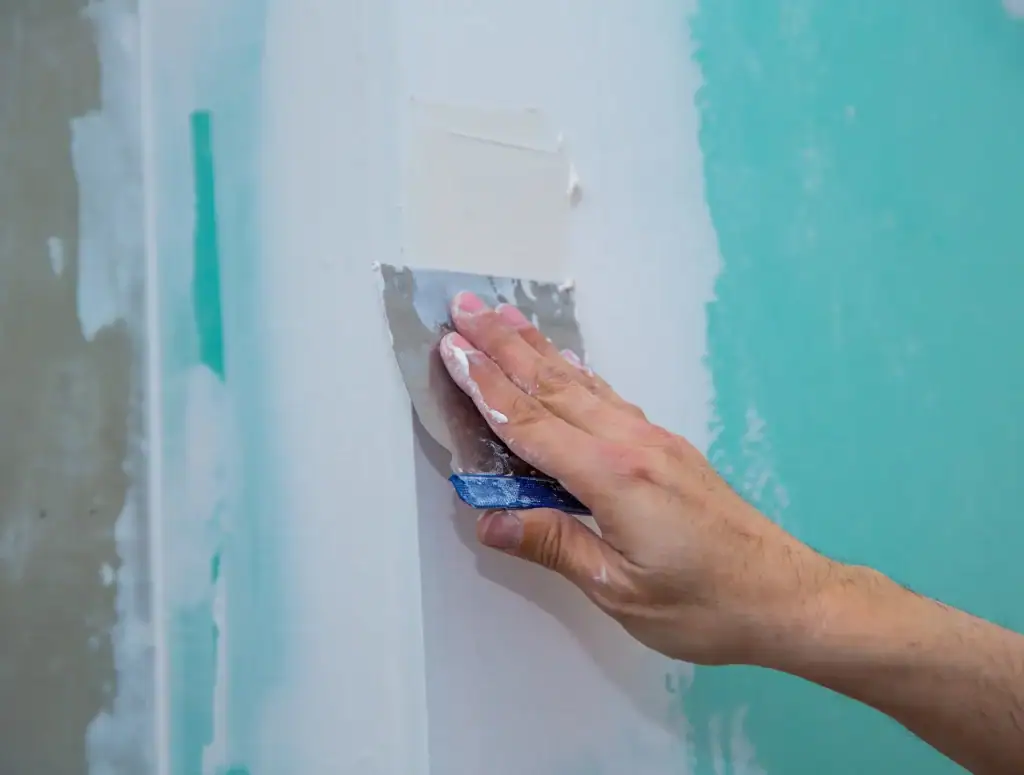
Fresh paint will not hide a cracked wall for long — it usually makes the flaw more obvious once the light hits it. If your Winnipeg home has hairline cracks, nail pops, or sagging seams, this guide walks you through what causes them, which repairs you can do yourself, and when to call a pro. Here is what you’ll learn: how to diagnose drywall damage, the right way to patch it, and how to prep the surface so your new paint lasts.
Drywall repair in Winnipeg means fixing cracks, holes, nail pops, and failed seams, then sanding and priming the area so it blends with the surrounding wall before painting. Most cosmetic cracks come from seasonal movement — our prairie climate swings from –30 °C winters to humid summers, and that expansion and contraction stresses drywall joints. Proper repair addresses both the surface and the cause.
Why does drywall crack in Winnipeg homes?
Drywall cracks in Winnipeg are most often caused by seasonal expansion and contraction, foundation settling, and humidity changes. Manitoba’s deep freeze-thaw cycles move framing lumber as it gains and loses moisture, and that movement telegraphs through taped seams and corners.
Common culprits include:
- Seasonal movement: wood framing shrinks in dry winter air and swells in summer humidity, cracking joints.
- Foundation settling: newer builds and older homes alike settle, producing diagonal cracks from window and door corners.
- Nail pops: fasteners back out as lumber dries, pushing small round bumps through the paint.
- Moisture damage: roof leaks, ice dams, or basement humidity soften drywall and lift the paper face.
- Poor original taping: under-filled or air-bubbled seams fail within a few seasons.
Can I repair drywall cracks myself, or should I hire a pro?
You can handle small cosmetic cracks and nail pops yourself with basic tools; hire a professional when cracks recur, run wider than 3 mm, or show signs of moisture or structural movement. A hairline crack above a doorway is a weekend job. A crack that reopens every winter is a symptom, not just a blemish, and needs a proper assessment.
DIY vs. professional drywall repair
| Situation | DIY-friendly? | Why |
|---|---|---|
| Hairline cracks, single nail pops | Yes | Surface-level, low risk |
| Small holes (under a toonie) | Yes | Patch and sand easily |
| Cracks that reopen seasonally | No | Needs flexible repair or framing fix |
| Water-stained or soft drywall | No | Source must be found and dried first |
| Large holes, sagging ceilings | No | Structural and safety concerns |
| Plaster (older Winnipeg homes) | Sometimes | Plaster repair is its own skill set |
How do you patch drywall before painting? (Step by step)
Patching drywall before painting takes five steps: clean out the damage, fill it, tape if needed, sand smooth, and prime. Skipping the prime coat is the most common mistake — bare joint compound soaks up paint unevenly and “flashes” as dull patches.
- Prep the area. Scrape loose paper and dust. For nail pops, drive a new screw 5 cm away and reset the popped fastener below the surface.
- Fill the damage. Apply lightweight joint compound (mud) with a putty knife. For cracks, widen them slightly into a shallow V so the mud has something to grip.
- Tape moving joints. Use mesh or paper tape over any seam that has cracked before, then coat it. Tape resists the next season’s movement.
- Feather and sand. Build two or three thin coats, each wider than the last, letting each dry. Sand with 120–150 grit until you can’t feel the edge.
- Prime the repair. Spot-prime every patch so the new paint absorbs evenly. This is the difference between an invisible repair and a visible one.
Which is right for you — quick fix or full repair?
If the damage is cosmetic and stable, a careful DIY patch and prime will get you a paint-ready wall. If you’re already repainting a whole room, it’s worth having patches done professionally so the finish is dead flat under good lighting. And if cracks keep coming back in the same spot, treat that as a referral to a pro who can address the underlying movement — our drywall and plaster repair team in Winnipeg can assess and fix recurring damage before it spreads.
Homeowners in older neighbourhoods often have plaster rather than modern drywall, which cracks differently and needs compatible materials. The same patch-prime-paint logic applies — a smooth, sealed surface is what makes the primer and paint that follow look their best.
For a deeper look at how building materials behave, the drywall overview from Wikipedia explains why gypsum board moves with moisture — useful background before you patch.
Ready to get your walls paint-ready?
If you’d rather skip the dust and get flawless walls the first time, request a free estimate from Lakeside Painters. We proudly serve Winnipeg, MB and the surrounding Manitoba communities — including homeowners in Selkirk, Steinbach, Stonewall, and Niverville, plus the wider Interlake and cottage country. Call (204) 791-8352 or reach us through our contact page for a no-pressure quote on drywall repair and painting.
Frequently Asked Questions
How much does drywall repair cost in Winnipeg?
Drywall repair in Winnipeg varies with the size and number of repairs, ceiling height, and whether priming and painting are included. Small patch jobs are inexpensive, while repairing widespread cracking or water damage costs more because of the prep and finishing involved. Ask for an itemized estimate so you know what’s covered.
Why do my drywall cracks keep coming back every winter?
Recurring winter cracks usually mean the wall is moving with seasonal expansion and contraction or minor foundation settling. A simple skim coat will reopen because it doesn’t account for that movement. Taping the joint with mesh and using flexible compound — or addressing the structural cause — gives a longer-lasting fix.
Do I need to prime drywall patches before painting?
Yes. Bare joint compound is porous and absorbs paint differently than the surrounding wall, leaving dull “flashed” spots even after two topcoats. Spot-priming each patch seals it so the finish coat dries to an even sheen and the repair disappears.
What’s the difference between drywall and plaster repair?
Drywall is gypsum board fastened to framing, while plaster is a troweled coating over lath, common in older Winnipeg homes. Plaster is harder and more brittle, so it needs compatible bonding materials and a different technique. Using drywall mud alone on failing plaster often leads to repeat cracking.
Can I paint over a crack without repairing it?
No — paint is a thin film that flexes with the wall, so a crack underneath will reappear, often within weeks. The crack must be opened, filled, taped if it’s on a moving joint, sanded, and primed first. Painting over unrepaired damage almost always costs more in the long run.

Tyler is a highly motivated and hardworking individual with an entrepreneurial mindset and a genuine passion for people. He is currently pursuing a Bachelor of Commerce (Honours) degree, majoring in Marketing and Small Business/Entrepreneurship.
As the owner of Lakeside Painters, a Winnipeg-based painting company serving Winnipeg and surrounding cottage country regions, Tyler has gained hands-on experience in business ownership, customer service, sales, and project management. Lakeside Painters specializes in high-quality residential and commercial painting services, including interior painting, exterior painting, wood staining, and stucco coating, with a strong focus on professionalism, attention to detail, and customer satisfaction.
With an energetic and optimistic attitude, Tyler thrives in team environments and is willing to take on challenges in fast-paced, high-pressure settings. He brings strong problem-solving abilities, excellent communication skills, and a natural ability to connect with and understand others—skills he has developed through previous sales roles and his experience building Lakeside Painters.