
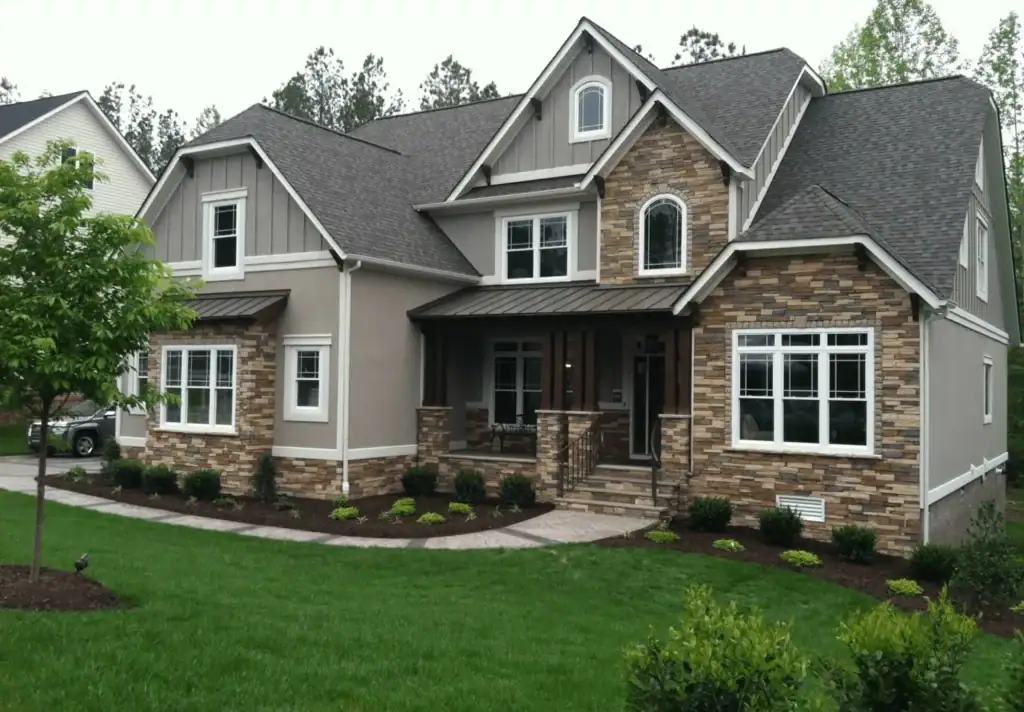
Hiring house painters in Winnipeg that homeowners can rely on isn’t just about picking a colour and hoping for the best. The crew you choose will affect how your home looks, how long the finish lasts, how smooth the process feels, and whether you end up having to fix preventable issues a year later.
This guide is built for real-world decision-making. You’ll learn what to look for, what to ask, what a fair quote should include, and the warning signs that often show up before a job goes sideways.
Start with the end in mind
Before you contact anyone, clarify what “success” looks like for your project. It’ll help you compare painters properly and avoid vague quotes.
Think about:
- Which areas need painting (interior, exterior, or both)
- What condition the surfaces are in (peeling, cracking, stains, water spots)
- Whether you want a colour change or a refresh
- Your timeline (especially important if you’re planning around seasons or travel)
- Your tolerance for disruption inside the home
If you’re planning interior work, this page gives a solid overview of what a professional process typically covers: https://lakesidepainters.ca/interior-painting/
Why Winnipeg homes need a smart painting plan
Winnipeg weather adds its own challenges, especially for exterior painting. Temperature swings, wind, and seasonal moisture can affect how paint cures and how long it holds up.
Even for interior projects, winter conditions can mean:
- Drier air affects how some products behave
- More indoor activity (cooking, humidity in kitchens/bathrooms)
- Less ventilation if windows stay closed
The right crew won’t just “paint walls.” They’ll choose the right materials and timing for your home and the conditions.
The easiest way to compare house painters in Winnipeg
If you do only one thing, do this: compare painters by process, not just by price.
A low price can be totally fair if it’s paired with a clear scope and solid prep. A low price can also mean corners are being cut, which you won’t notice until later.
When you evaluate house painters Winnipeg options, focus on:
- Prep steps (cleaning, sanding, patching, priming)
- Surface protection (floors, furniture, landscaping)
- Materials (primer + paint type, not just “2 coats”)
- Timeline (how many days, how many painters on-site)
- Clean-up and final walkthrough
- What happens if you spot issues after the job
What a quality quote should include
A good quote is specific. If a quote feels vague, you’re taking on unnecessary risk.
Look for these details:
Clear scope by area
The quote should list what is included and what isn’t, for example:
- Walls only vs walls + ceilings + trim
- Doors and door frames
- Closets
- Stairwells and hallways
- Exterior siding, soffits, fascia, doors, trim, railings
Prep steps spelled out
Prep should never be a mystery line that says “prep as required.”
A strong quote typically explains:
- How holes, cracks, and nail pops will be handled
- Whether sanding is included and where
- Where priming is required (repairs, stains, bare areas)
- For exteriors: scraping, caulking, and spot priming
Paint system details
The quote should mention:
- Primer type (if needed)
- Finish/sheens (flat, eggshell, satin, semi-gloss)
- Number of coats and where those coats apply
- Colour changes (dark-to-light changes can require extra coats)
Protection and clean-up
It should state what’s protected and how:
- Drop sheets and coverings
- Masking details
- Daily clean-up habits
- How debris and leftover materials are handled
Warranty or follow-up expectations
Even a simple statement like “touch-ups within X days” or a written workmanship warranty is helpful.
Questions to ask before booking
These questions make it easier to compare crews fairly, even if everyone sounds confident on the phone.
1) “What prep do you do on surfaces like mine?”
Ask them to describe prep based on your home:
- If your exterior has peeling areas, how do they handle it?
- If your interior has patched drywall, do they spot-prime?
- If there’s water staining, what’s their plan?
You want answers that sound like a routine, not guesswork.
2) “Who will be on-site, and how is the job supervised?”
Some companies quote the job and send a different crew with a different approach. Ask who you’ll actually see at your home and how the quality is checked.
3) “How do you protect floors, furniture, and landscaping?”
Protection is where you can tell who’s disciplined.
For interior jobs, listen for: proper covering, careful masking, and daily tidying.
For exterior jobs, listen for: covering plants, controlling overspray, and keeping paths clean.
4) “How do you handle repairs you find after starting?”
Sometimes the real surface issues show up once prep begins.
Ask:
- How do they communicate changes?
- Do they price repairs clearly?
- Do they pause work until you approve?
5) “What’s your timeline, and what could change it?”
In Winnipeg, exterior timelines can shift with the weather. A reliable crew should set expectations around:
- Temperature ranges
- Rain and wind
- Cure time needs between coats
For interiors, timeline risks usually include extra repairs, multiple coats needed for strong colour changes, or delays between rooms due to household scheduling.
Red flags to watch for
You don’t need to be a painting expert to spot risk.
Vague answers about prep
If someone can’t explain prep steps clearly, there’s a chance prep is minimal.
“We don’t need primer” as a default answer
Primer is not always required, but it should be used when the surface needs it.
A good painter decides based on the surface, not a one-size rule.
No plan for protecting your home
If protection sounds like an afterthought, you may end up with paint dust, splatter, scuffed floors, or stained fixtures.
Pressure to book immediately
A professional crew can explain their approach without urgency tactics.
A quote that’s far lower than others without explanation
Sometimes there’s a legitimate reason. Often, it’s fewer prep steps, fewer coats, or cheaper products.
Interior vs exterior: the hiring priorities change
Some homeowners hire one crew for everything. Others split interior and exterior jobs. Either approach can work.
Here’s how the priorities differ.
For interior painting
Focus on:
- Clean cut lines (ceilings, trim, edges)
- Smooth wall finish (no roller lines, patch flashing, uneven sheen)
- Dust control
- Clear daily clean-up habits
- Respect for the home (moving furniture carefully, protecting surfaces)
For exterior painting
Focus on:
- Scraping and removing loose paint properly
- Caulking where needed
- Surface drying time after washing
- Weather windows and scheduling
- Product selection that suits exterior exposure
This page is useful if you want a clear idea of exterior scope and prep: https://lakesidepainters.ca/exterior-painting/
How to think about pricing without getting stuck
People often ask for the “average cost,” but the fairest approach is to understand what factors affect the price.
Pricing varies based on:
- Size and layout (open concept vs many separate rooms)
- Surface condition (smooth vs lots of repairs)
- Height and access (stairwells, vaulted ceilings)
- Trim complexity (detailed trim, many doors, lots of baseboards)
- Colour change difficulty (deep colours may need extra coats)
- Exterior details (peeling paint, multiple surfaces, lots of trim)
When comparing quotes, don’t compare totals alone. Compare what’s included.
If one quote includes patching, spot priming, and two full coats, and another doesn’t mention those steps, they’re not the same job.
The “test” that reveals quality: how they talk about prep
If you’re trying to pick between two or three painters, the fastest way to tell who’s likely to deliver a stronger result is to listen to how they talk about prep.
A strong crew usually mentions things like:
- cleaning before painting
- sanding glossy areas
- priming repairs
- controlling dust
- letting surfaces dry properly
- applying consistent coats in a logical order
If the conversation is mainly about “we can start tomorrow” and “paint is paint,” that’s not a great sign.
Planning your project timeline in Winnipeg
If you’re scheduling, here are realistic planning tips.
Interior projects
Interiors can be done year-round.
The biggest timeline factors are:
- how many rooms
- how much prep/repair is needed
- how many coats are required for the colour change
- drying time between coats (especially in humid rooms)
Exterior projects
Exterior painting is more sensitive to conditions.
A good crew will plan around:
- stable temperatures
- low rain risk
- adequate cure time
- wind conditions that can impact the application and debris
If you’re booking exterior work, it’s smart to plan for seasonal demand.
How to prep your home so the job goes faster and cleaner
Even the best crew works better when the home is ready.
Here’s what you can do before painting starts:
For interior painting
- Remove fragile items (frames, décor, small electronics)
- Clear surfaces near walls (nightstands, entry tables)
- Decide where furniture will go (center of room vs moved out)
- Plan pet and kid routes to reduce traffic near wet paint
- Confirm colours and finishes ahead of the start day
For exterior painting
- Move patio furniture away from the house
- Trim back plants that press against the siding
- Clear access to gates and walkways
- Confirm which doors or features need special handling
Small prep steps can reduce delays and help the crew keep surfaces clean.
Choosing paint sheen and finish without regret
A good crew will help you choose the sheen based on the room and surface.
Here’s a practical rule set:
- Ceilings: flat
- Living rooms/bedrooms: eggshell or matte (depending on preference)
- Kitchens/baths: satin (easier cleaning)
- Trim/doors: semi-gloss or satin (depends on style and traffic)
Shine tends to highlight imperfections. Flatter finishes tend to hide them better. The best choice balances cleanability and appearance.
What “good workmanship” looks like at the end
When the job is done, you should see consistency and clean details.
Look for:
- clean edges at ceilings and trim lines
- even sheen across walls (no patchy “flashing”)
- smooth surfaces (no heavy roller texture unless the wall already had texture)
- no paint on outlets, hardware, floors, or fixtures
- doors and trim that open/close cleanly without sticking
A final walkthrough matters. A reliable crew will want to see the job under normal lighting and address small items before they pack up.
A simple hiring checklist you can use today
Use this to shortlist house painters Winnipeg homeowners can feel confident hiring:
- Clear, written quote with detailed scope
- Prep steps spelled out (not “prep as needed”)
- Paint system and sheen included
- Protection and clean-up plan described
- Timeline explained realistically
- Clear communication plan for changes
- A final walkthrough is part of the process
If you want a quick reference for what professional painting services can include, these pages are helpful starting points for expectations:
- Interior: https://lakesidepainters.ca/interior-painting/
- Exterior: https://lakesidepainters.ca/exterior-painting/
FAQs
1) How do I choose the best house painters in Winnipeg?
Compare painters by process: prep steps, materials, surface protection, timeline, and repair handling. A detailed quote and clear answers usually signal a stronger result.
2) What should be included in a house painting quote?
A good quote should list the areas being painted, prep work, primer needs, number of coats, paint finish, protection methods, clean-up, and what the final walkthrough includes.
3) How far in advance should I book house painters in Winnipeg?
Interior projects can be booked year-round, but schedules fill up. Exterior projects often book earlier due to seasonal demand and weather windows, so planning helps.
4) Is the cheapest quote ever a good idea?
It can be, but only if the scope matches. If a low quote is vague about prep, priming, or coats, you may end up paying more later to fix peeling, uneven finish, or early wear.
5) Should I hire the same company for interior and exterior painting?
It depends on your needs, but many homeowners prefer one crew for consistency. If you do both, ask for a clear plan for scheduling, prep, and product selection for each surface.

Tyler is a highly motivated and hardworking individual with an entrepreneurial mindset and a genuine passion for people. He is currently pursuing a Bachelor of Commerce (Honours) degree, majoring in Marketing and Small Business/Entrepreneurship.
As the owner of Lakeside Painters, a Winnipeg-based painting company serving Winnipeg and surrounding cottage country regions, Tyler has gained hands-on experience in business ownership, customer service, sales, and project management. Lakeside Painters specializes in high-quality residential and commercial painting services, including interior painting, exterior painting, wood staining, and stucco coating, with a strong focus on professionalism, attention to detail, and customer satisfaction.
With an energetic and optimistic attitude, Tyler thrives in team environments and is willing to take on challenges in fast-paced, high-pressure settings. He brings strong problem-solving abilities, excellent communication skills, and a natural ability to connect with and understand others—skills he has developed through previous sales roles and his experience building Lakeside Painters.