
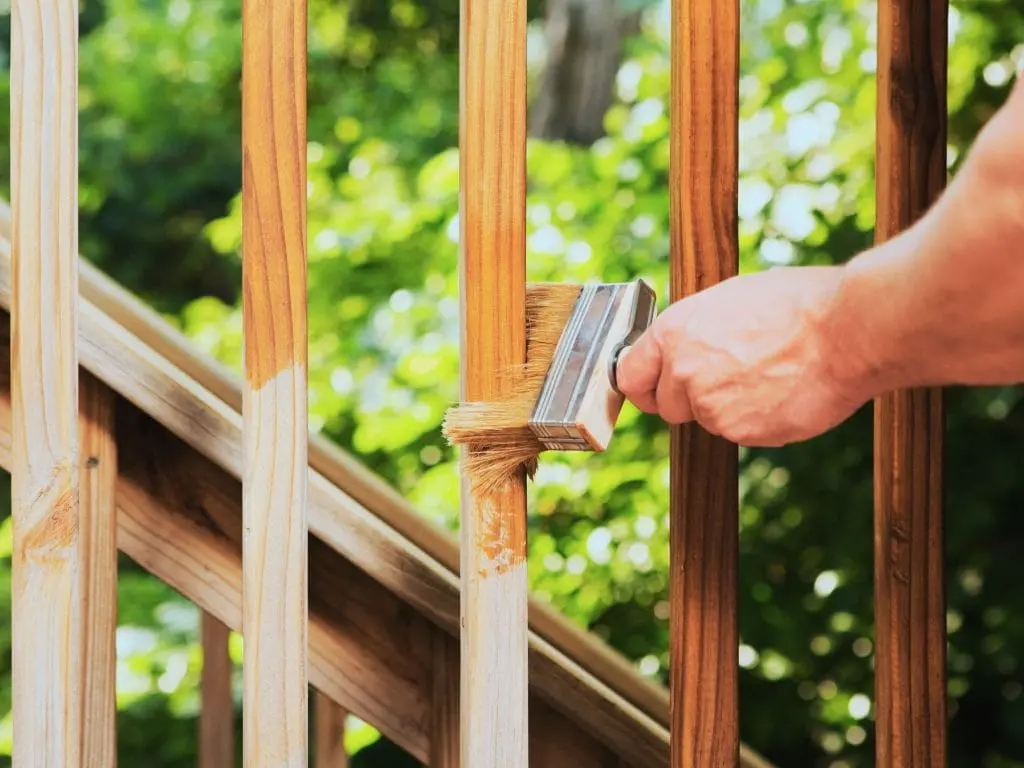
If you have outdoor wood around your home, you usually reach a point where you wonder whether it still looks fine or is overdue for attention.
That question comes up often with decks and fences.
At first, the change can be subtle. The color looks a little lighter. The surface feels rougher than it used to. A few boards start looking dry. Then, over time, the wood begins to lose its finished look and shows more obvious wear.
That is usually when homeowners begin thinking about wood staining in Winnipeg.
The challenge is that many people wait until the wood looks badly worn before taking action. By then, the project may need more prep, more sanding, and more restoration work than it would have needed earlier. A better approach is to recognize the warning signs and act before the damage becomes harder to address.
If you are trying to figure out whether your deck or fence is ready for a fresh coat of stain, these are the signs to watch for.
Fading Color Is One of the First Signs
One of the clearest signs that your wood needs attention is fading.
A stained deck or fence usually has a richer, more even appearance when the finish is still doing its job. Over time, sun exposure and general weather wear can make that color look dull, washed out, or uneven. Lakeside’s wood staining page emphasizes durability against weathering and UV rays, and its stained-wood maintenance article also notes UV fading as a common issue homeowners should watch for.
This fading does not always happen evenly. Some areas may still look decent, while others look noticeably lighter. South-facing sections, exposed rails, top deck boards, and fence panels with strong sun exposure are often the first to change.
When the wood loses its deeper finish, it is often a sign that the stain protection is wearing down.
If your outdoor wood looks noticeably dull compared to how it looked after the last staining job, it may be time to think seriously about wood staining in Winnipeg.
The Wood Starts Looking Dry Instead of Finished
A healthy stained surface usually looks protected.
A worn surface often looks thirsty.
This is something many homeowners notice before they see major peeling or damage. The wood starts to look dry, flat, and tired. Instead of having a protected finish, it begins to look exposed.
That dry look often shows up on deck boards first because they take the most direct contact, weather exposure, and foot traffic. Fence sections can show it too, especially on the sides that get the harshest sun and wind.
Once the surface starts looking dry, the wood is often moving closer to the point where it needs a fresh coat to restore both appearance and protection.
That is one reason wood staining in Winnipeg should not be delayed too long after the first visible signs show up.
Water No Longer Beads on the Surface
A simple way to check outdoor wood is to watch how it reacts when it gets wet.
When the stain is still performing well, water often beads up or sits on the surface more noticeably. When that protection has worn down, the wood tends to absorb moisture faster.
This does not need to be a complicated test. After light rain or a gentle splash of water, check whether the surface still resists moisture or soaks it in quickly.
If the water disappears into the wood almost right away, that can be a sign that the protective layer has weakened, and the surface is more exposed than it should be.
That kind of early moisture absorption is often a practical signal that it is time to schedule wood staining in Winnipeg before the wood condition worsens.
Graying Wood Usually Means the Surface Has Been Exposed Too Long
Natural wood left without sufficient finish protection often starts to turn gray.
This weathered look is common on older decks and fences that have gone too long without maintenance. Lakeside’s stained-wood maintenance article specifically flags gray weathered sections as a sign of wear and notes that exposed areas may need sanding before a fresh application.
Some homeowners do not mind a slightly weathered look at first. But once the graying becomes more noticeable, it often means the stain is no longer protecting the surface the way it should.
This matters because grayed wood is not only a cosmetic issue. It can also mean the material has been exposed to the sun, moisture, and general outdoor wear for too long.
If your deck boards or fence panels are starting to look gray rather than stained, that is often a strong sign that wood staining in Winnipeg should move higher on your priority list.
Peeling or Uneven Wear Should Not Be Ignored
Some stain systems wear away gradually. Others begin to peel or break down unevenly.
When that happens, the wood can start looking patchy. One section still has color. Another looks bare. A few boards or slats may have flaking spots, while nearby areas still seem mostly intact.
Uneven wear is a problem for two reasons.
First, it makes the deck or fence look neglected.
Second, it often means the surface will need more prep before a fresh stain can go on properly. Lakeside’s process emphasizes removing old stain residue, washing, and sanding before application, as prep has a major effect on the finish.
If you are seeing patchy stain, worn traffic paths, or peeling sections, that usually means the wood is well into the stage where fresh work is needed.
Rough Texture Can Point to Surface Breakdown
Another common sign is texture.
A deck or fence that once felt relatively smooth may start to feel rough, splintery, or uneven. Even without major structural damage, the surface can begin to break down from the sun, moisture, and time.
This is especially noticeable on horizontal deck surfaces, rail tops, steps, gates, and frequently touched fence areas.
A rougher texture does not always mean the wood is failing, but it often means the surface is no longer in the same protected condition it was in after the last staining job. Lakeside’s wood staining service page notes sanding as a key step for smoothing the surface, removing imperfections, and helping stain penetrate more evenly.
If the wood feels noticeably rougher than it used to, that is often a good sign that wood staining in Winnipeg should be considered before that wear becomes more severe.
High-Traffic Deck Areas Usually Wear Out First
Not all parts of a deck age at the same rate.
The stairs, main walking path, entry area, and sections around seating or grills often show wear first. These areas get the most foot traffic and tend to lose their finish faster than quieter corners.
That difference can make a deck look inconsistent. One section still holds color well, while the busiest area looks faded and worn.
This is one reason homeowners should inspect the entire deck rather than judging the entire surface by the least-used section. A few protected boards in the corner do not always reflect the condition of the whole space.
If your most-used deck areas are clearly more worn than the rest, it is often a strong sign that it is time to consider wood staining in Winnipeg again.
Fence Panels Can Show Wear in Different Ways
Fences don’t get foot traffic, but they still require a lot of exposure.
Depending on placement, certain sides of the fence may deal with more direct sunlight, wind, moisture, or snow buildup. Over time, this can create uneven fading, graying, or drying across different sections.
A fence may still look solid overall while quietly showing signs that the finish has worn thin.
That is why it helps to walk the entire perimeter and look closely, rather than checking only the most visible side from the yard. Corners, gates, exposed top rails, and sun-facing panels often show the first real clues.
If sections of the fence are starting to look flat, dry, or weathered, that can be an early sign that wood staining in Winnipeg is due, even if the entire fence has not deteriorated evenly.
Spring and Summer Inspections Make Problems Easier to Catch
Many homeowners notice staining only when the wood is already badly worn.
A better habit is to inspect outdoor wood at the start of the warmer season and again during peak summer use. Lakeside’s stained-wood maintenance article recommends seasonal inspection and cleaning, especially in spring, along with checking for peeling stain, water damage, loose boards, and exposed areas.
These simple checks can help you catch fading, graying, dryness, and moisture exposure before the project becomes more involved.
That timing matters because wood staining usually works best when the surface can be cleaned, dried, prepped properly, and coated under suitable weather conditions. Lakeside’s article notes warm-enough temperatures and dry conditions as important for proper application and curing.
For homeowners planning wood staining in Winnipeg, regular seasonal checks can make it much easier to act at the right time rather than waiting until the deck or fence looks far gone.
Sun Exposure Speeds Up Wear
When homeowners ask why one area looks worse than another, sunlight is often a major factor.
Surfaces that get stronger in the daily sun tend to lose their rich color faster and show more dryness over time. Lakeside’s site repeatedly links stain choice and maintenance to protection from UV rays and notes that sun-exposed surfaces may need more frequent recoating than more protected areas.
That is why the sunny side of a fence or the open area of a deck may seem much more worn than a shaded section nearby.
If your outdoor wood gets strong direct sun and has started fading faster than expected, that does not always mean the original work failed. It may simply mean the exposure is higher and the surface is ready for maintenance sooner.
In those cases, timing wood staining in Winnipeg correctly can help you stay ahead of more visible weather wear.
Moisture Trouble Can Show Up as More Than Just Color Loss
Not every warning sign is about appearance alone.
Sometimes the wood starts showing signs of moisture trouble. You may notice darkened spots, swelling in certain areas, repeated dampness, or boards that seem to stay wet longer than they used to.
That does not always mean there is major damage, but it can be a sign that the stain is no longer giving the surface the same level of protection. Lakeside’s maintenance article specifically recommends checking stained wood for water damage and soft spots and replacing boards that are too far gone before refinishing.
This is important because stain is not only there for looks. It also helps support the wood’s condition by reducing the surface’s exposure to weather and moisture over time.
If you are seeing repeated moisture-related wear, it is a strong reason to consider wood staining in Winnipeg sooner rather than later.
Older Stain Jobs Often Need More Than a Quick Touch-Up
Some homeowners hope a small touch-up will fix a deck or fence that has clearly aged.
Sometimes that works for a minor isolated area.
But once the overall finish has faded, worn unevenly, or weathered across a large section, a quick patch often does not create a clean final look. The older stain may have broken down too much, and the surface may need a more complete prep process first.
That is why Lakeside’s wood staining service page emphasizes surface cleaning, sanding, and stain-system selection before application. The condition of the wood changes what kind of work is actually needed.
If your wood looks broadly worn rather than just lightly marked in one area, a full wood staining approach in Winnipeg is usually the better option.
Timing Matters More Than Many Homeowners Think
Waiting too long can make the job harder.
A deck or fence that is restrained while the wood is still in fair shape is usually easier to prepare and restore to a clean, refreshed look. A deck or fence that has been neglected for too long may need more aggressive washing, more sanding, more attention to boards, or extra correction before stain can go on well.
That is one reason proactive maintenance matters.
Lakeside’s wood staining content frames preparation as the base of a successful result and notes that product choice, surface condition, and application method all affect the final finish and longevity.
In practical terms, the best time for wood staining in Winnipeg is usually when the warning signs are noticeable but before the wood has reached a heavily weathered state.
What Homeowners Should Look for During a Quick Inspection
If you want a simple way to assess your deck or fence, walk around it and look for these signs:
Faded color
Dry-looking boards
Graying wood
Patchy or peeling stain
Rough texture
Faster water absorption
Worn traffic paths
Sun-damaged sections
Moisture-related wear
These clues do not all need to appear at once.
Sometimes one or two signs are enough to show that the finish is nearing the end of its useful life. The key is to look at the overall pattern, not just one small corner that still looks decent.
That basic inspection can help homeowners make a better decision about when to proceed with wood staining in Winnipeg.
Why Professional Prep Can Make a Big Difference
By the time a deck or fence needs a fresh stain, prep usually matters just as much as the stain itself.
A proper process may involve washing away dirt and residue, sanding rough areas, smoothing worn sections, and ensuring the surface is ready to accept a new finish. Lakeside’s wood staining page highlights power washing, sanding, product consultation, stain system selection, cleanup, and a final walkthrough as core parts of the service rather than add-ons.
This matters because even a good stain product can struggle to perform well on a surface that has not been prepared properly.
For homeowners, that means the decision is not only about whether the deck or fence needs attention. It is also about making sure the next round of wood staining in Winnipeg is done in a way that gives the wood the best chance to look good and hold up.
A deck or fence usually tells you when it needs a fresh stain.
The signs are often there before the surface looks completely worn out.
Fading color, dryness, graying, rough texture, uneven wear, moisture absorption, and sun-related damage are all clues that the existing finish is losing strength. The earlier you catch those changes, the easier it is to protect the wood and bring back a cleaner, more finished appearance.
For homeowners trying to stay ahead of weather wear, paying attention to these signs can help you schedule wood staining in Winnipeg at the right time, rather than waiting until the project becomes more demanding.
FAQs
1. How often should a deck or fence need wood staining in Winnipeg?
It depends on exposure, surface condition, and the type of stain used. Lakeside’s stained-wood maintenance article notes that some surfaces may need recoating every 1 to 3 years, with more exposed areas wearing faster.
2. What is the first sign that outdoor wood needs a fresh stain?
Fading color is often one of the earliest signs. Many homeowners also notice a drier, flatter look before more serious wear appears.
3. Is gray wood a sign that staining is overdue?
Often, yes. Gray weathering usually suggests the wood has been exposed for too long, and the previous finish is no longer providing sufficient protection. (Lakeside Painters)
4. Can I wait until the stain starts peeling badly?
You can, but it often makes the project harder. Once the finish has worn too far, the wood may need more prep before a new stain can be applied properly.
5. Why does one side of my fence or deck wear faster than the rest?
Sunlight, moisture, and exposure can affect each section differently. Areas with more direct sun or weather contact often show wear sooner. (Lakeside Painters)

Tyler is a highly motivated and hardworking individual with an entrepreneurial mindset and a genuine passion for people. He is currently pursuing a Bachelor of Commerce (Honours) degree, majoring in Marketing and Small Business/Entrepreneurship.
As the owner of Lakeside Painters, a Winnipeg-based painting company serving Winnipeg and surrounding cottage country regions, Tyler has gained hands-on experience in business ownership, customer service, sales, and project management. Lakeside Painters specializes in high-quality residential and commercial painting services, including interior painting, exterior painting, wood staining, and stucco coating, with a strong focus on professionalism, attention to detail, and customer satisfaction.
With an energetic and optimistic attitude, Tyler thrives in team environments and is willing to take on challenges in fast-paced, high-pressure settings. He brings strong problem-solving abilities, excellent communication skills, and a natural ability to connect with and understand others—skills he has developed through previous sales roles and his experience building Lakeside Painters.