
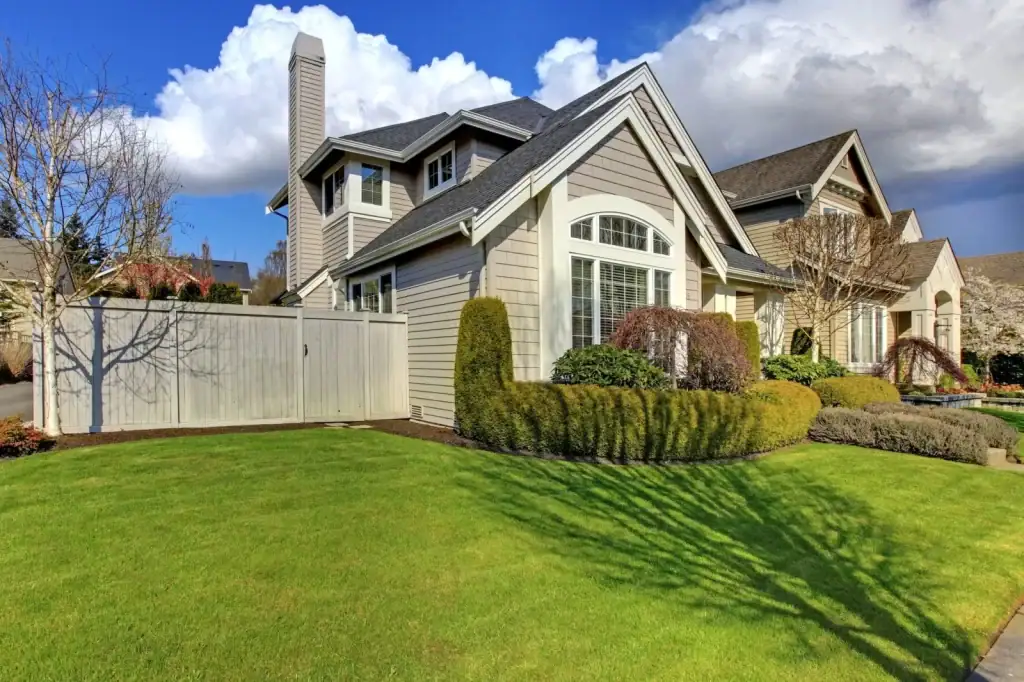
You want your newly painted walls to stay vibrant and flawless for years to come, especially in Winnipeg’s unique climate. Maintaining your paint involves regular cleaning, managing humidity to prevent peeling or mold, and handling scuffs promptly to avoid lasting damage. By following these expert tips, you’ll protect your investment and keep your home looking its best. At Lakeside Painters, we understand the challenges Winnipeg homeowners face and offer trusted advice to help you preserve the beauty and durability of your freshly painted walls.
Key Takeaways:
- Regular cleaning removes dust and grime that can dull painted surfaces, helping walls and trim in your Winnipeg home stay vibrant longer.
- Promptly addressing scuffs, stains, and small paint chips with touch-ups prevents further damage and reduces the need for full repainting.
- Managing humidity and limiting direct sunlight exposure in rooms like kitchens and basements protects paint from peeling and fading in Winnipeg’s climate.
The Power of Regular Cleaning in Maintaining Your Walls
Importance of Routine Cleaning
Dust and dirt that settle on your walls not only dull the finish but can also degrade the paint over time. By wiping down surfaces every few weeks, you prevent buildup that weakens paint adhesion and finish integrity. Especially in high-traffic areas and Winnipeg’s dusty seasons, routine cleaning keeps colors vibrant and textures smooth, extending the life of your investment without costly repainting.
Recommended Cleaning Techniques and Products
Use a soft microfiber cloth or sponge with mild, non-abrasive cleaners specifically designed for painted surfaces. Avoid harsh chemicals or scrubbing pads that can scratch or strip the paint. Warm water mixed with gentle dish soap often works best for everyday cleaning, while magic erasers can carefully address stubborn marks without damaging the finish.
For walls with a satin or semi-gloss finish, applying light pressure while cleaning prevents dulling the sheen. Flat and matte paints require even gentler care to avoid removing pigment. In Winnipeg’s dry climate, humidifying a room before cleaning can minimize dust disturbance. When treating stains or spots, test your cleaner on an inconspicuous area first to safeguard your paint’s original vibrancy.
Swift Solutions for Scuffs and Stains
Identifying High-Traffic Areas for Protection
Hallways, stairwells, kitchens, and entryways in your Winnipeg home typically bear the brunt of daily activity, making them hotspots for scuffs and stains. Walls near doorframes and around light switches often accumulate marks from frequent contact. Recognizing these zones helps you focus protective measures, such as placing washable wall coverings or strategically applying tougher, washable paint finishes to minimize damage and preserve appearance over time.
Effective Methods for Immediate Stain Removal
Acting quickly on a stain can prevent it from setting permanently into your fresh paint. Use a soft cloth dampened with mild soapy water for general marks, avoiding abrasive scrubbers that damage the paint layer. For stubborn scuffs, a magic eraser or baking soda paste applied gently can restore the surface without harsh chemicals. Test any cleaning agent on an inconspicuous spot first to ensure colorfastness.
For example, small crayon marks can be lifted effectively using a damp microfiber cloth with a small amount of dish soap, while grease stains might require a degreasing cleaner that won’t strip the finish. Avoid over-wetting walls to prevent moisture damage, especially important in Winnipeg’s humid summers. These methods keep your walls looking fresh and reduce the frequency of costly repainting.
Touch-Up Techniques for Lasting Aesthetics
Essential Tools for Quick Fixes
Gathering the right tools can make touch-up jobs in your Winnipeg home seamless and efficient. Keep a quality angled brush, fine-grit sandpaper, a putty knife, and a small container for mixing paint handy. A microfiber cloth helps smooth out brush strokes, while painter’s tape ensures clean edges around trim or outlets. These necessities allow you to address chips and scratches promptly, maintaining a consistent finish without the need for full repaints.
Best Practices for Blending Touch-Ups
Matching texture and color accurately prevents touch-ups from standing out. Lightly sand damaged areas to create a smooth base, then feather the edges of fresh paint into the surrounding surface. Applying multiple thin coats instead of one thick layer helps blend inconsistencies, while using leftover paint that has been properly stored ensures a color match.
Color blending during touch-ups benefits from subtle layering techniques. Begin by slightly diluting your paint with water or a compatible thinner to create a translucent first coat, which helps the new paint integrate with existing layers. Follow up with undiluted paint in subsequent thin layers, allowing each to dry fully to avoid uneven textures. Working under natural daylight gives you a clearer view of color differences, a key factor since artificial lighting in Winnipeg homes can distort paint shades. Also, applying touch-up paint with a high-quality synthetic brush or small roller designed for your wall’s texture preserves the original finish’s appearance, keeping your walls looking freshly painted and consistent throughout.
Humidity Control: The Silent Enemy of Paint
Understanding Humidity’s Impact on Paint Life
Excess humidity introduces moisture into painted surfaces, which leads to bubbling, peeling, and mold growth, especially in Winnipeg’s kitchens, bathrooms, and basements. Over time, this moisture weakens the bond between paint and wall substrates, causing premature wear and damage. For homes in climates with frequent moisture fluctuations, like Winnipeg, managing indoor humidity directly enhances the durability and appearance of your paint job.
Tips for Maintaining Optimal Indoor Humidity Levels
Maintaining indoor humidity between 30% and 50% safeguards your painted walls from moisture-related damage. Utilize exhaust fans in moisture-prone areas, run dehumidifiers during wet seasons, and ensure proper ventilation throughout your home. Sealing leaks and insulating basements also reduces humidity intrusion. Perceiving these adjustments as preventive steps helps preserve your paint’s longevity and keeps surfaces looking fresh.
Additional strategies to optimize your home’s humidity include:
- Use a hygrometer to monitor indoor humidity regularly.
- Vent appliances like dryers and stoves to the outside.
- Avoid overwatering indoor plants, which can increase moisture levels.
- Apply weatherstripping around doors and windows to reduce moisture infiltration.
Perceiving humidity control as an ongoing maintenance task rather than a one-time fix allows you to proactively prevent paint deterioration and associated repair costs.
Furniture and Fixtures: Protecting Your Investment
Common Sources of Damage from Household Items
Furniture edges, moving heavy appliances, and even everyday objects like vacuum cleaners or pet claws can cause scratches, dents, and chips on your freshly painted walls. Frequent contact areas such as chair backs, door frames, and corners of tables are particularly vulnerable. In busy Winnipeg homes, the shuffle of boots and sports gear near entryways also contributes to surface damage, gradually dulling your wall’s finish if left unchecked.
Smart Strategies for Preventing Scratches and Dents
Applying felt pads to the bottoms of furniture legs can significantly reduce marks on walls and baseboards. Using corner guards or protective wall panels in high-traffic zones shields the paint from impact. When moving heavy items, lifting instead of dragging prevents accidental scrapes. Arranging furniture to leave a small gap between walls and pieces further minimizes contact and wear over time.
Beyond basic protective accessories, investing in adjustable furniture sliders designed for hardwood or tiled floors allows you to reposition items effortlessly without scraping painted surfaces. Padding frequently used door edges with rubber bumpers can absorb shocks from accidental knocks. Regularly inspecting walls near fixtures and promptly addressing minor damage not only preserves your paint job but also extends the lifespan of your home’s overall aesthetic.
Shielding Against Sunlight: Protecting Your Color
How Sunlight Affects Paint Over Time
Direct sunlight exposes painted surfaces to intense UV rays that break down color pigments and binders, resulting in fading, chalking, and discoloration. In Winnipeg, where seasonal sun intensity fluctuates, these effects can become noticeable within just a few years on exterior walls or sun-facing interior rooms. Lighter colors tend to retain vibrancy longer, while darker, bolder shades absorb more heat and fade faster. Over time, untreated paint can lose its protective qualities, accelerating wear and increasing the likelihood of peeling or cracking.
Solutions for Reducing Sunlight Exposure
You can significantly extend your paint’s lifespan by minimizing its exposure to direct sunlight. Installing window treatments like UV-blocking films, blinds, or curtains helps filter harsh rays. For exterior walls, consider landscaping solutions such as planting trees or installing awnings and pergolas to provide natural shade. Using high-quality paints with UV-resistant formulas, specifically designed for Winnipeg’s climate, also helps maintain color intensity.
Adding window films that block up to 99% of UV rays offers a practical layer of protection without sacrificing natural light. Awnings and overhangs not only shield walls but also reduce heat gain inside your home, lowering cooling costs during Winnipeg’s warm summers. Strategic tree placement — like deciduous trees on south-facing walls — provides seasonal shade, blocking summer sun while allowing beneficial winter light. When repainting, opting for paints labeled with UV resistance ensures your fresh color can better withstand sun exposure year-round.
Knowing the Right Time to Repaint
Key Indicators Your Walls Need a Fresh Coat
Fading colors, visible peeling, and cracking paint indicate your walls are due for repainting. In high-traffic areas like hallways or kitchens, scuff marks and stains that resist cleaning also signal wear. If you notice bubbling or mold growth, especially in Winnipeg’s humid basements or bathrooms, that means underlying moisture problems must be addressed before repainting. These signs suggest your paint no longer provides adequate protection or aesthetic appeal, and that timely action can prevent costly repairs.
Recommended Frequency for Repainting
Most interior walls in Winnipeg benefit from repainting every 5 to 7 years, while exterior surfaces typically require fresh paint approximately every 7 to 10 years, depending on weather exposure. Factors like sunlight intensity, humidity levels, and surface type influence how quickly paint deteriorates.
Exterior paint faces Winnipeg’s harsh climate, with cold winters and hot summers accelerating wear. Using high-quality, weather-resistant paint and performing regular maintenance can extend this cycle. Interior rooms with frequent activity or moisture—such as kitchens and bathrooms—often need repainting closer to the 5-year mark, while low-traffic areas may last longer. Following this schedule helps you maintain your home’s value and keeps your walls looking vibrant year after year.
Expert Strategies for Long-Lasting Paint
Maintenance Routines to Extend Paint Life
Incorporate a simple cleaning schedule using mild soap and water every few months to keep your walls free from dust and grime that can degrade paint over time. Pay particular attention to high-traffic areas, where fingerprints and smudges accumulate fastest, and remove stains promptly with gentle techniques. Rotating your cleaning routine seasonally—especially after harsh Winnipeg winters—helps combat the effects of fluctuating humidity and airborne particles, ultimately preserving your paint’s color and texture.
Selecting the Right Products and Techniques
Using high-quality paints with durable finishes tailored for Winnipeg’s climate makes a significant difference in how long your paint lasts. Opt for paints with added UV protection and mildew resistance to combat sun fading and moisture damage. Techniques like proper surface preparation—including sanding and priming—ensure better adhesion and prevent premature peeling or cracking.
For example, acrylic latex paints have proven resilience against Winnipeg’s temperature swings and humidity fluctuations, making them ideal for both interior and exterior surfaces. Employing professional-grade primers that seal porous surfaces creates a strong base, reducing the risk of bubbles and mold growth. Applying paint in thin, even coats allows quicker drying and forms a tougher protective layer. Choosing finishes like satin or semi-gloss not only enhances durability but also simplifies cleaning, especially in kitchens and bathrooms where moisture is a concern. These product choices and methods work together to provide a paint job that withstands wear and environmental stress, saving you both time and money on future repairs.
Final Thoughts on Maintaining Painted Surfaces
Maintaining the fresh appearance of your painted walls in Winnipeg demands consistent effort tailored to the unique climate challenges of the region. Winnipeg’s cold winters and humid summers both influence how paint behaves over time, requiring you to adapt your maintenance routine accordingly.
Weather-Related Wear and Longevity
Extremes in temperature and humidity can accelerate paint deterioration. For example, Winnipeg’s winter freezes can cause exterior paint to crack if surfaces aren’t properly sealed beforehand. At the same time, summer humidity often leads to bubbling and peeling, especially in shaded or poorly ventilated areas. Addressing moisture issues promptly in rooms like bathrooms or basements can prevent mold growth and paint damage, extending the lifespan of your coatings well beyond the typical 7-10 years expected for quality exterior paints.
Regular Inspection and Early Intervention
You’ll benefit from conducting seasonal inspections around your home, paying attention to high-traffic zones and exposure-prone spots such as south-facing walls. Spotting small chips, scratches, or fading early allows you to perform touch-ups quickly, preserving the finish and keeping repainting costs down. For interior walls, even tiny scuffs in hallways or kitchen areas can worsen if neglected, so integrating a quick visual check into your routine can save considerable time and money.
Choosing Professional Support When Needed
If you notice larger-scale damage like widespread peeling, cracking, or persistent mold, enlisting professionals ensures the problem is handled properly the first time. Specialists familiar with Winnipeg’s climate and common paint issues can recommend the best materials and techniques to restore your surfaces efficiently. This approach guarantees long-lasting results that resist local weather impacts and daily wear better than quick DIY fixes.
Ultimately, an investment in regular maintenance paired with timely expert intervention keeps your freshly painted walls—and your entire home—looking vibrant and well cared for. By following these targeted strategies, your paint job from Lakeside Painters will continue to provide that fresh, polished appearance you desire for years to come.
FAQ
Q: What are the best ways to clean freshly painted walls in my Winnipeg home?
A: To keep freshly painted walls in Winnipeg looking vibrant, regular cleaning is key. Use a soft cloth or sponge dipped in warm, soapy water to gently wipe the surfaces. Avoid abrasive scrubbers that could damage the paint finish. For tougher stains, a mixture of mild detergent and water usually works well. It’s recommended to clean walls every few months or as needed, especially in high-traffic areas or rooms prone to dirt buildup.
Q: How can I prevent paint damage caused by Winnipeg’s humid and cold climate?
A: Managing indoor humidity is necessary in Winnipeg due to seasonal changes that can affect painted surfaces. Use dehumidifiers in areas like basements, kitchens, and bathrooms to reduce moisture levels. Proper ventilation also helps prevent paint peeling or mold growth. If you notice any bubbling or peeling, address any moisture issues before touching up the paint to avoid recurring damage.
Q: When should I consider repainting the walls in my Winnipeg home?
A: Signs that it’s time to repaint include noticeable fading, chipping, or peeling of paint, as well as discoloration caused by sunlight exposure or stains that don’t come off with cleaning. In Winnipeg’s climate, repainting every 7 to 10 years is generally recommended to maintain a fresh look and protect your walls. Performing timely touch-ups can also extend the life of your paint job between full repaints.

Tyler is a highly motivated and hardworking individual with an entrepreneurial mindset and a genuine passion for people. He is currently pursuing a Bachelor of Commerce (Honours) degree, majoring in Marketing and Small Business/Entrepreneurship.
As the owner of Lakeside Painters, a Winnipeg-based painting company serving Winnipeg and surrounding cottage country regions, Tyler has gained hands-on experience in business ownership, customer service, sales, and project management. Lakeside Painters specializes in high-quality residential and commercial painting services, including interior painting, exterior painting, wood staining, and stucco coating, with a strong focus on professionalism, attention to detail, and customer satisfaction.
With an energetic and optimistic attitude, Tyler thrives in team environments and is willing to take on challenges in fast-paced, high-pressure settings. He brings strong problem-solving abilities, excellent communication skills, and a natural ability to connect with and understand others—skills he has developed through previous sales roles and his experience building Lakeside Painters.